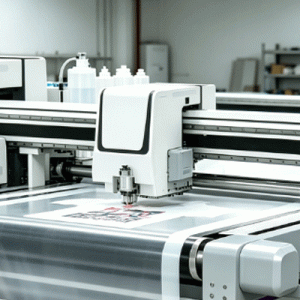
When DTF white ink clogging occurs, the most obvious signs are a weak white base, broken fine lines, and partial missing prints. In severe cases, it can also reduce the stability of the entire batch of patterns, directly affecting delivery time and customer experience. Many people, when faced with this issue, tend to repeatedly clean the printhead. It may seem to recover in the short term, but before long it clogs again. To truly solve the problem, you cannot focus only on the surface of the printhead. You need to inspect the white ink condition, ink supply path, printhead maintenance, environmental conditions, and operating habits together. Only by identifying the root cause of clogging can printing become smoother and the equipment more durable.
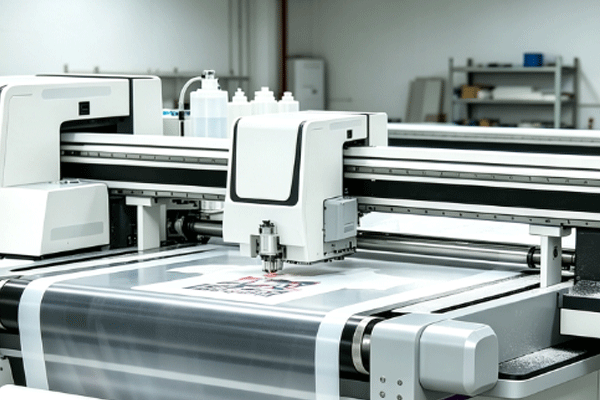
Check the White Ink and Ink Supply Status First
White ink clogging is usually not caused by a single factor. The ink itself and the condition of the ink supply system are often the first things that need to be checked.
White Ink Sedimentation Must Be Handled Promptly
The particles in white ink are more likely to settle. After sitting for a long time, blockages can easily form near the nozzles, especially when the machine has been idle for a long period or when startup preparation is insufficient.
- Start the white ink circulation before powering on so the ink can flow evenly again, allowing the printhead to maintain a more stable ink output during actual printing.
- Check whether there is obvious sediment at the bottom of the ink tank. The more sediment there is, the more insufficient the ink mixing and circulation, and the higher the risk of clogging later.
- Expired ink and mixed ink will increase the risk of clogging. When compatibility between different batches or brands is unstable, the nozzles are more likely to behave abnormally.
- Poor sealing of the ink tank will also worsen the ink condition. Once air enters, it not only accelerates sedimentation but may also introduce more instability into the ink path.
The more stable the white ink condition is, the more continuous the printhead output will be, and the cleaner the printed lines will appear. Naturally, the chance of rework will also decrease.
Keep the Ink Supply Path Smooth
When ink supply is unstable, even a printhead that has been cleaned can easily show broken lines and missing ink again. Many recurring clogging problems are actually related to an obstructed ink supply path.
- Check whether the filter is dirty or blocked. Once the filter accumulates too many impurities, the ink flow rate slows down, and the printhead ink supply is affected as well.
- Inspect whether the tubing is bent, flattened, or taking in air. These seemingly minor details can make white ink flow discontinuous and even cause intermittent ink interruption.
- Abnormal negative pressure in the ink damper can cause the ink supply to fluctuate. When the pressure is unstable, the printhead spraying state will also fluctuate, making clogging more likely to recur.
- Large pressure fluctuations in the ink supply make white ink more likely to break lines. This issue becomes even more pronounced during high-speed printing or long continuous production runs.
Once the ink supply path is straightened out, many recurring clogging symptoms will be significantly reduced, and the machine will run more steadily.
Make Printhead Cleaning More Thorough
Printhead cleaning is not just a matter of “washing it once.” It requires choosing the right method based on the severity of the clog and the machine condition so that the problem is solved while minimizing wear.
Daily Cleaning Must Be Done Properly
A clogged printhead does not mean the more you clean it, the better. Excessive cleaning can instead increase printhead wear and even damage the surface and internal structure unnecessarily.
- For mild clogging, use cleaning fluid together with moisturizing treatment to gradually soften dried ink residue inside the nozzles instead of forcing it out aggressively.
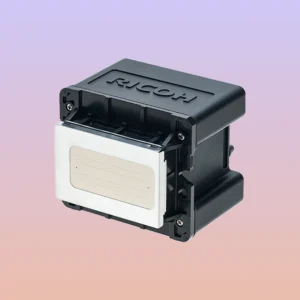
- The bottom of the printhead should be wiped gently. Avoid hard objects that may scratch it, because the printhead surface is extremely delicate and even a slight mistake can cause irreversible damage.
- The ink extraction force should be controlled. Do not apply strong suction for too long, because excessive negative pressure will not solve the clog faster and may make the internal printhead condition even less stable.
- Poor cap sealing makes the printhead more likely to dry out. Even a slight air leak can cause the nozzles to gradually lose moisture protection during downtime.
Careful cleaning extends printhead life, lowers maintenance costs, and improves overall equipment stability.
Shutdown Management Cannot Be Neglected
Many white ink clogging issues occur during shutdown, especially after overnight shutdowns and long holidays. That is why shutdown management itself is a key part of clog prevention. Before shutting down, perform basic cleaning to remove residual ink and impurities, then keep the printhead moist and properly sealed for storage. This can effectively slow ink drying and reduce nozzle blockage. When the machine will not be used for a long time, avoid leaving the printhead exposed to air for extended periods. After restarting, run a nozzle check first and confirm that the condition is normal before entering formal printing. This allows abnormalities to be detected in advance, reduces clogging risk, and makes production more stable after resuming work.
Environment and Parameters Must Work Together
The workshop environment and printing parameters may seem unrelated to clogging, but in fact they directly affect the fluidity and spraying stability of white ink. Many hidden problems are buried here.
Temperature and Humidity Affect White Ink Flow
When the environment is unstable, the white ink condition will fluctuate as well, especially in low-temperature and dry environments. The printhead performance is often more prone to problems than usual.
- In low-temperature environments, white ink becomes more viscous, and once the flow speed drops, nozzle output becomes less smooth.
- In dry air, the printhead surface is more likely to form a skin layer. Even a short pause may cause slight drying at the nozzle edges.
- Keeping the workshop humidity within a reasonable range is more conducive to stable printing. The more balanced the environment is, the more stable the white ink performance in the ink path will be.
- Ink storage should be kept away from light and high-temperature areas. When temperature fluctuates too much, ink performance is also affected, and the risk of clogging naturally rises.
Good environmental control makes white ink flow more smoothly, reduces nozzle drying, and improves printing continuity.
Printing Parameters Should Not Be Too Aggressive
Settings that are too high increase the burden on the printhead and make clogging more likely, especially when pursuing speed. Printing frequency that is too fast, a white ink layer that is too thick, and unstable paper feeding all affect nozzle condition and ink output stability. Proper preheating helps white ink maintain fluidity and makes the printhead work more easily. Once the parameters match the machine condition, printing results become more stable and clogging becomes easier to control.
Building a Prevention Mechanism Saves More Cost
Rather than waiting for clogging to happen and then rushing to repair it, it is better to establish an actionable prevention mechanism in advance and keep the problem under control at an early stage. This saves both time and consumables.
Fixed Inspections Are More Effective Than Temporary Repairs
Moving clogging prevention forward can reduce a lot of rework and downtime. For factories with continuous production, inspection habits are especially important.
- Check whether the white ink circulation is normal every shift. Once circulation becomes abnormal, it is often an early signal of clogging, and the earlier it is found, the easier it is to handle.
- Record nozzle condition and clogging frequency. Over time, this helps determine whether the issue is occasional or a systemic fault, making later adjustments more targeted.
- Replace filters and consumables promptly when abnormalities are found. Do not wait until clogging becomes severe, because many small problems start with aging consumables.
- Establish a fixed inspection checklist to make it easier to trace the source of problems and keep maintenance standards consistent across different shifts.
With an inspection routine in place, many small issues will not develop into major failures, production rhythm is easier to maintain, and equipment utilization naturally improves.
Choose the Right Equipment and Consumables
A solid equipment foundation greatly reduces the likelihood of white ink clogging and lowers maintenance pressure later, making it more suitable for stable production in the long run.
- Choose equipment with white ink circulation and automatic stirring functions. These configurations significantly improve white ink sedimentation issues and reduce manual intervention.
- Printhead compatibility must be stable. The higher the matching degree between the printhead and the ink, the easier it is to maintain consistent printing conditions.
- Try to use a mature solution from the same system for both ink and film. Better compatibility means fewer problems such as clogging, powder shedding, and color deviation.
- Equipment with stable branding and reliable after-sales support is more suitable for long-term production. When abnormalities occur, technical support can be obtained faster, reducing downtime losses.
Choosing the right equipment and consumables makes later maintenance much easier, improves overall production efficiency, and provides stronger delivery assurance.
DTF white ink clogging is not difficult to solve. The key is to manage the white ink condition, printhead cleaning, environmental control, and daily inspection properly. White ink contains more pigment particles and tends to settle and separate after standing. When the ink supply is not smooth, it can cause broken lines, missing dots, color deviation, and even clogging. During treatment, the printhead and ink path should be cleaned in time, the white ink circulation should be checked for normal operation, the filter components should be inspected for aging, and attention should also be paid to whether the ink has absorbed moisture or deteriorated. If the equipment is kept in a high-temperature, low-humidity, or dusty environment for a long time, clogging will become even worse. Once these details are managed well, printing becomes more stable and maintenance costs become lower. Springyprinter focuses on DTF digital printing equipment development and can provide factories with more stable white ink circulation and maintenance solutions.