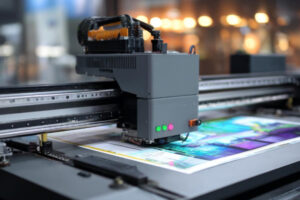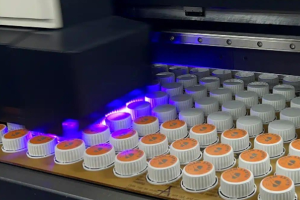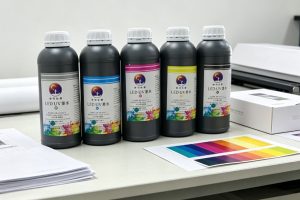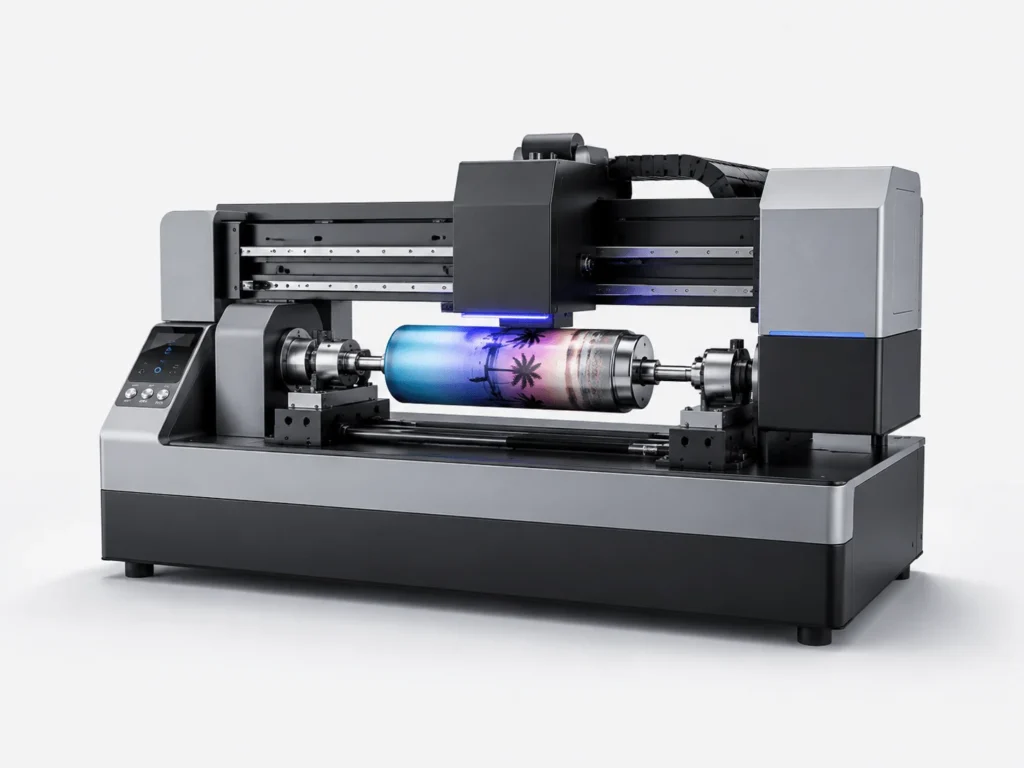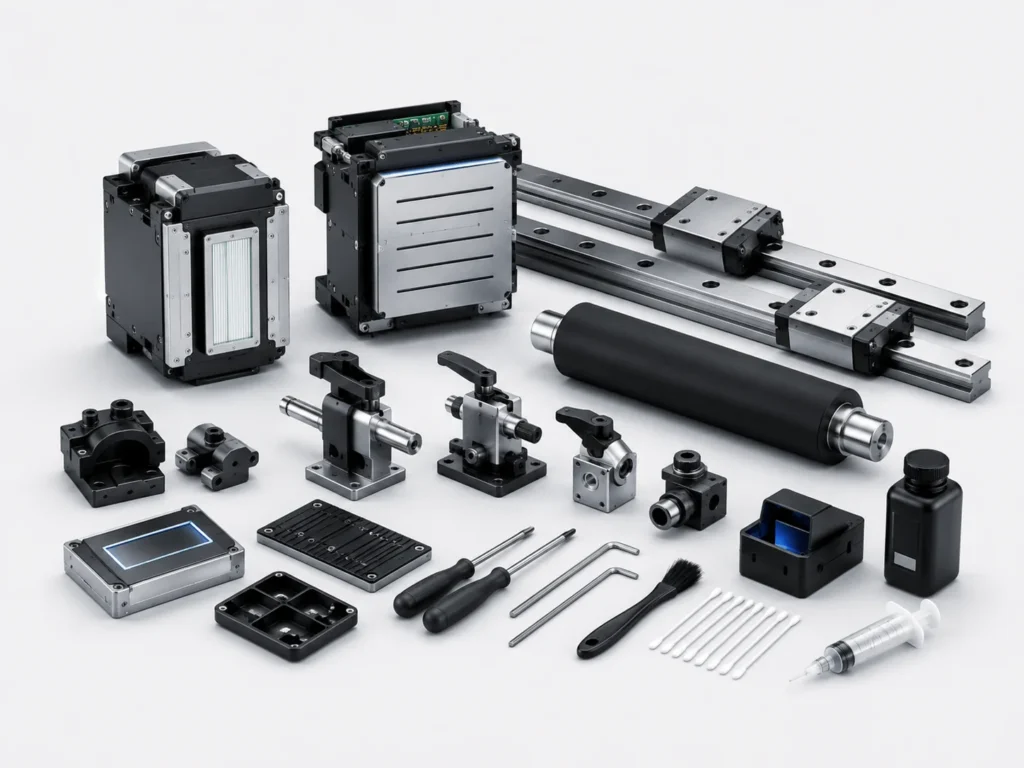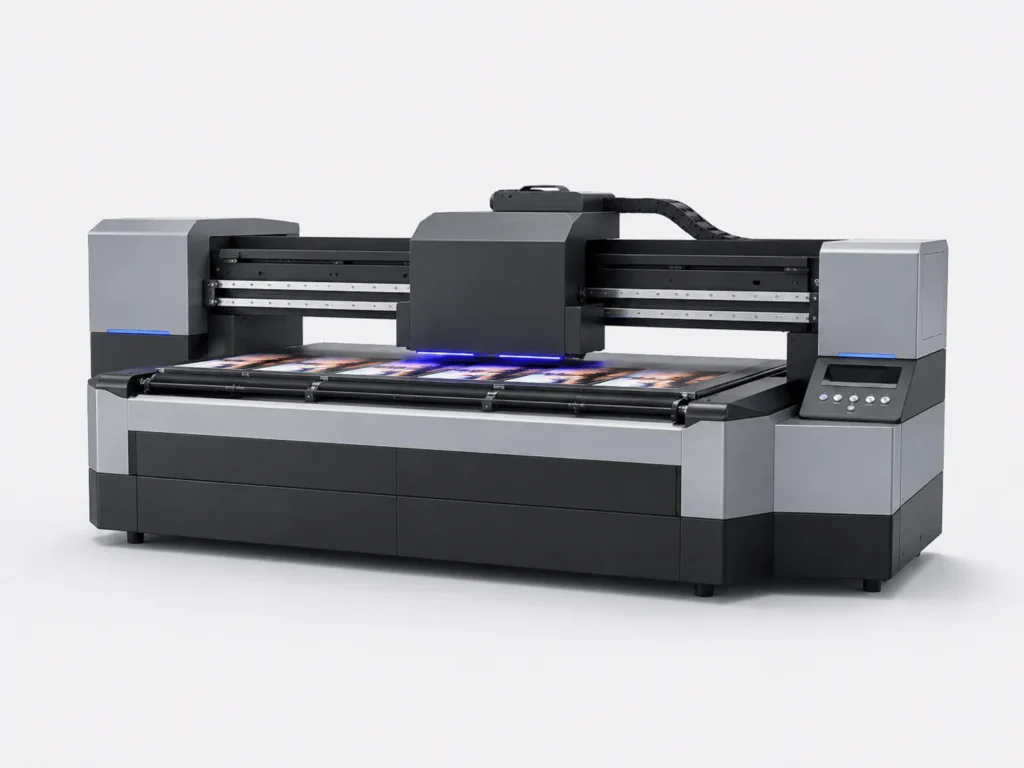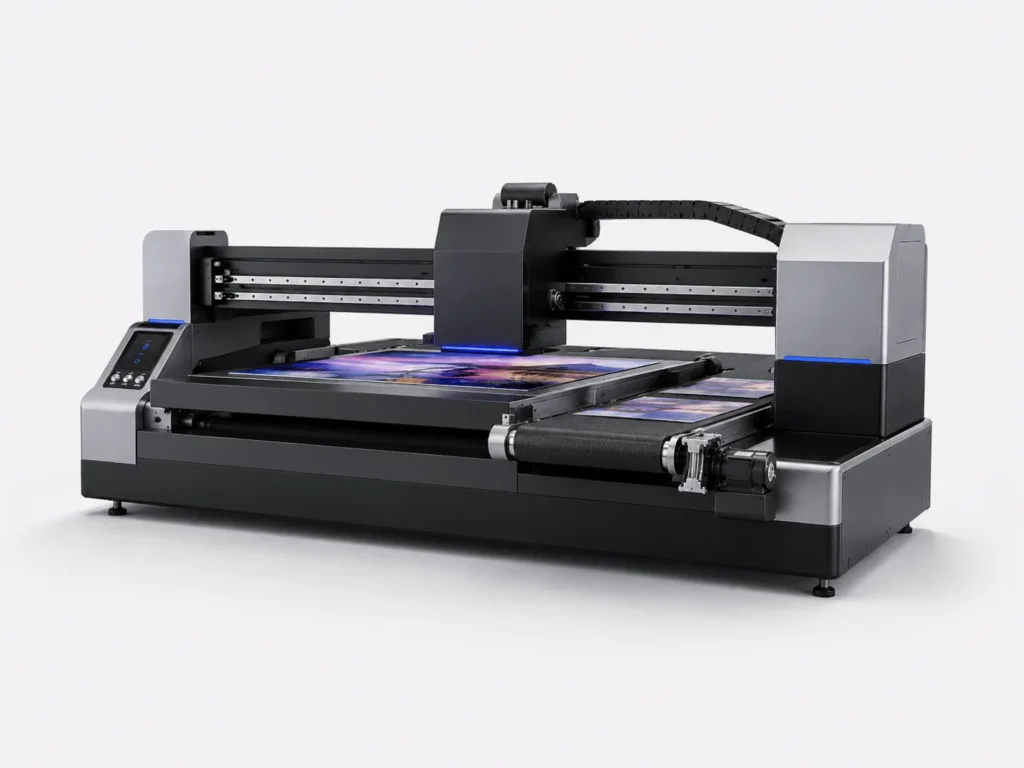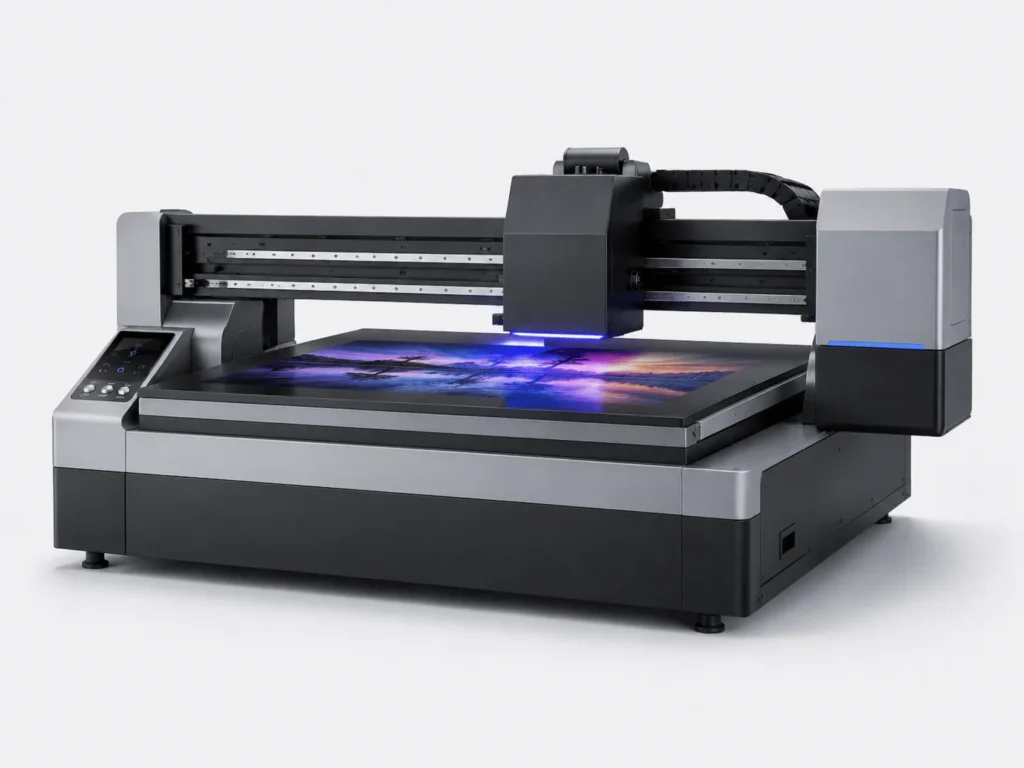
When purchasing a UV flatbed conveyor printer, many companies treat the printhead configuration as one of the most critical decision points: imported printheads usually come with a higher price tag, while domestic printheads are easier to fit into a budget. Yet once production begins, what determines the real user experience is not just the brand name. The printhead directly affects printing precision, operating speed, stability, and long-term maintenance costs. Choosing the right one makes it easier for the equipment to build stable production capacity; choosing the wrong one can lead to rework, downtime, and wasted consumables. Especially in applications such as advertising signage, decorative panels, and customized gifts, printhead configuration often has a direct impact on delivery quality and profit margins. That is why companies should not look only at the unit price when selecting a machine, but also at overall compatibility and long-term operating performance.
Start with the Order Structure Before Deciding on the Printhead Direction
There is no universal standard for printhead selection. The most suitable solution usually depends on order type, product positioning, and delivery rhythm, and should be judged based on actual production needs.
Imported Printheads Are Better Suited to High-Precision Scenarios
Imported printheads are generally more stable in detail reproduction, making them especially suitable for business scenarios that demand high image layering, sharp edges, and smooth color transitions.
- Suitable for high-end customization, fine patterns, and orders with demanding gradient requirements, because these printheads perform more delicately in droplet control and jet consistency, allowing them to reproduce complex image details more accurately.
- Finer droplet control and cleaner image edges help reduce burrs and graininess on products that require high-resolution output, making the finished result closer to the original design.
- Output consistency is better during continuous operation, so image stability and color repeatability are usually easier to maintain at a high level during long production runs.
- More friendly to high-value-added products, especially brand packaging, premium decoration, and high-demand gift orders, helping increase product pricing potential.
This type of printhead is more suitable for companies that pursue image quality, brand presentation, and long-term stable delivery, especially factories that already have a stable customer base and high consistency requirements.
Domestic Printheads Are Better Suited to Cost-Sensitive Production
The main advantages of domestic printheads lie in controllable investment, fast response, and more flexible maintenance. They have a lower entry threshold and are suitable for companies with limited budgets that want to start production quickly. At the same time, spare parts are easier to source, repair cycles are shorter, downtime losses are reduced, and they are also well suited for trial production, sample making, and businesses with frequent order changes. For small and medium-sized factories, domestic printheads usually bring less financial pressure and faster commissioning, helping businesses move forward more steadily.
Then Calculate Total Cost and Maintenance Pressure
The printhead price is only part of the purchasing decision. What truly affects business results is the overall equipment investment, operating efficiency, and whether long-term maintenance remains manageable. Only by considering all these factors together can the selection better match real needs.
Purchase Price Is Only the Starting Point
The price of the printhead alone cannot determine the final choice, because the real cost of equipment is usually spread across multiple stages.
- Imported printheads require a higher initial investment, but in some high-demand scenarios, their more stable output may reduce rework and scrap rates, indirectly lowering the overall cost.
- Domestic printheads make it easier to reduce the initial purchase cost, which suits companies that want to launch quickly, validate the market first, and then expand investment later.
- The total machine price is also affected by the control system, ink path, and conveyor structure; the printhead is only one core component and cannot be judged in isolation.
- The purchasing budget should be considered together with order profit. Only when the equipment output can cover the investment and continue generating profit can the printhead configuration be considered truly appropriate.
What many companies really care about is not whether the machine is expensive, but whether it can quickly generate stable output and recover the investment within a reasonable period.
Maintenance Efficiency Determines Long-Term Spending
Printhead selection also needs to consider whether maintenance is easy, because once the equipment enters continuous production, maintenance efficiency directly affects delivery rhythm and labor costs.
- Cleaning frequency affects downtime. If the printhead requires frequent maintenance, production rhythm will be interrupted and equipment utilization will drop.
- Spare part costs affect long-term expenses. In high-load operating environments, consumables and component costs will gradually accumulate.
- After-sales response speed affects delivery rhythm. When a fault occurs, the ability to resume production quickly often determines whether the order can be completed on time.
- Maintenance difficulty affects operator workload. The more complex the structure and the more cumbersome the adjustment, the higher the training cost and the greater the chance of human error.
Imported and domestic printheads each have their own characteristics. What really creates the gap is often maintenance efficiency, fault-handling speed, and whether the overall service system is complete.
Match the Printhead with Materials and Process Requirements
The printhead does not work independently. It needs to form a stable match with the ink, materials, and overall machine process. Only when the match is right can the equipment deliver its intended performance.
Different Printheads Have Different Requirements for Ink and Media
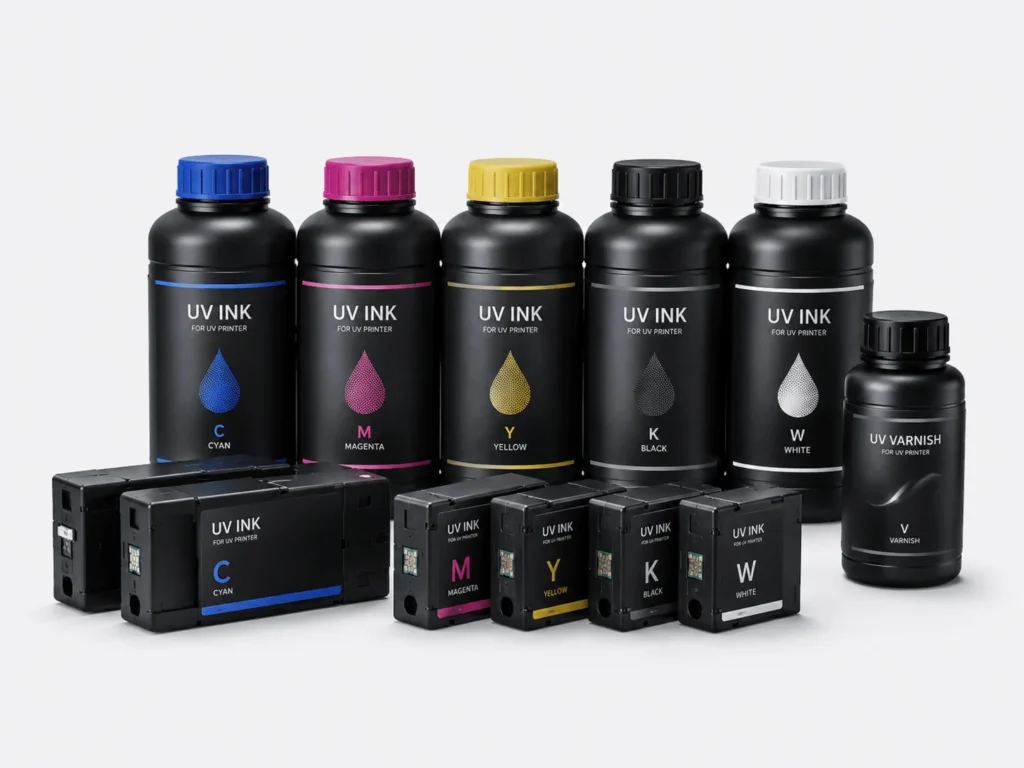
The printhead does not work alone; compatibility with ink and materials matters a great deal, and different configurations can perform very differently in real applications. Imported printheads usually place higher demands on ink stability and require finer, more fluid ink to maintain stable jetting during long continuous printing. Domestic printheads, in some conventional advertising production and medium- to low-precision orders, often offer more flexible compatibility and faster adaptation to different processes. Materials such as glass, acrylic, and metal sheets all have different adhesion requirements, and surface tension, flatness, and absorption characteristics all affect imaging results. The combination of white ink, color ink, and varnish also influences printhead performance, especially in multi-layer printing and special-effect output, where ink path stability and jet coordination become even more important. When selecting a configuration, companies should look at whether the entire process runs smoothly rather than focusing only on printhead parameters, because what truly determines finished quality is the overall synergy among the printhead, ink, materials, and process.
Conveyor Structures Place Greater Emphasis on Continuous Stability
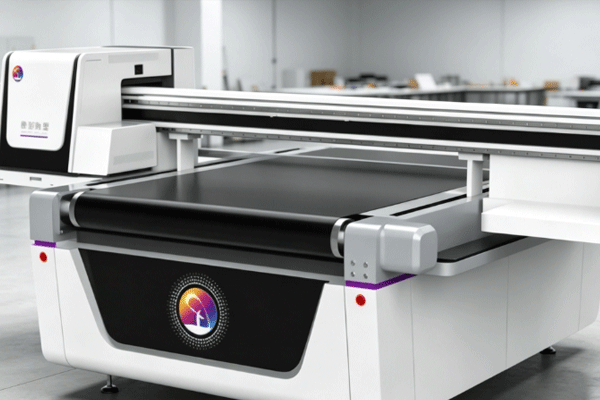
UV flatbed conveyor printers emphasize continuous feeding and batch output, so printhead stability, response speed, and durability are all tested more intensely.
- When the conveyor belt runs smoothly, the printhead output must keep up; otherwise, high-speed printing may lead to image misalignment, broken lines, or local blurring.
- During high-speed printing, printhead stability directly affects yield, and in batch orders, even small fluctuations can accumulate into noticeable quality differences.
- Long operating hours place greater demands on printhead durability. Once the machine enters high-intensity operation, continuous output capability becomes a core indicator.
- Overall machine tuning matters more than a single printhead brand. Mechanical structure, control system, ink path design, and software parameters all determine the final performance.
On conveyor-type equipment, the coordination between the printhead, mechanical structure, and control system is often more valuable than simply pursuing imported or domestic branding. Companies should focus more on whether the whole machine truly fits their production rhythm.
Include After-Sales Support and Upgrade Potential
Printhead selection is not just a one-time purchase. It also affects whether production remains smooth, whether the equipment has room for future upgrades, and whether the company can maintain stable operation when expanding capacity later.
Service Response Affects Downtime Losses
When a printhead has a problem, response speed becomes a cost, because every minute of downtime may mean delayed orders and idle labor.
- Local service can shorten waiting time, allowing technicians to arrive faster and reducing time lost in remote communication.
- Strong technical support improves debugging efficiency. Many seemingly complex faults can actually be resolved quickly with professional guidance, preventing the issue from escalating.
- On-site handling capability affects order delivery. Especially during rush jobs or large-volume production, after-sales response speed often determines whether delivery goes smoothly.
- Good training reduces operational mistakes. The better employees understand the equipment, the less likely they are to damage the printhead through misuse or trigger production abnormalities.
For continuous-production factories, after-sales capability often determines the actual equipment experience more than promotional specifications, because the real production environment is far more complex than a parameter sheet.
Spare Parts and Expansion Capability Determine Long-Term Value
The equipment is not finished once it is purchased. Future upgrades, capacity expansion, and replacement are equally important. Whether the printhead configuration is mature will directly affect the equipment lifecycle and return on investment.
- Stable spare parts supply brings peace of mind, so companies will not have to stop production for long periods due to missing components when faults occur.
- Mature printhead models are easier to replace, making maintenance and upgrades simpler and reducing compatibility risks.
- It is easier to expand capacity later, because a platform with sufficient expansion space allows the company to increase output more smoothly as the business grows.
- A longer equipment lifecycle makes the investment more worthwhile. Equipment that can continue adapting to market changes often has greater long-term value than machines that are merely cheaper at the time of purchase.
Whether production can remain stable over time is often more important than the initial purchase price, especially for companies that want to build a reliable production line.
There is no single answer to whether you should choose imported or domestic printheads. The key lies in order precision, production rhythm, budget space, and after-sales conditions. Imported printheads are usually more stable and have advantages in detail reproduction and long continuous operation, making them suitable for scenarios with high image quality requirements and tight production schedules. Domestic printheads offer advantages in purchase cost, lead time, and maintenance convenience, making them suitable for companies that value cost performance and flexible configuration. When making a choice, do not look only at the upfront price; also consider ink compatibility, maintenance frequency, spare parts supply, and technical support. Springyprinter specializes in the R&D and manufacturing of UV flatbed conveyor printers and can provide enterprises with printhead configuration solutions that better fit real production scenarios.