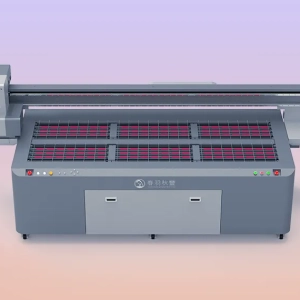
As digital printing technology continues to advance, product decoration has evolved from flat graphics to realistic three-dimensional textured surfaces. Industrial UV printers combine high-precision inkjet technology, multi-layer printing, and instant UV curing to create raised textures directly on materials such as wood, glass, metal, acrylic, PVC, leather, and composite panels. Whether reproducing wood grain, stone textures, fabric patterns, or artistic embossed designs, UV printing delivers outstanding visual depth and tactile quality through a fully digital production process. This technology has become an important solution for furniture manufacturing, architectural decoration, packaging, consumer electronics, and creative products.
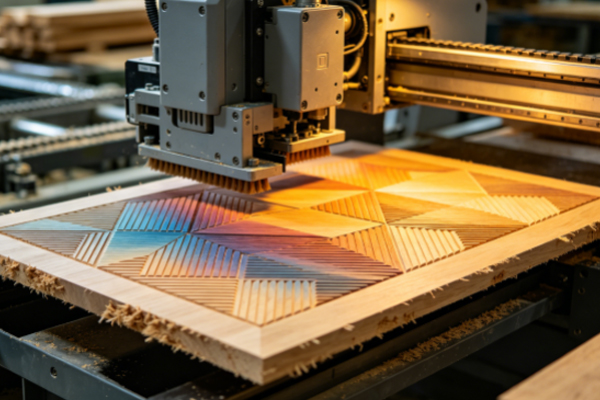
Working Principle of UV Printing for 3D Texture Effects
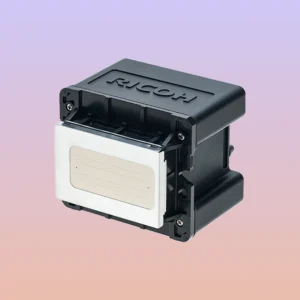
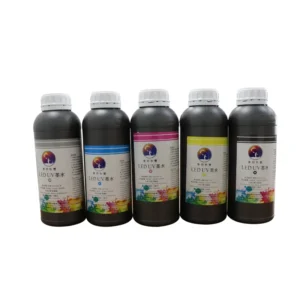
Industrial UV printers use piezoelectric printheads to deposit UV ink layer by layer according to the height information contained in digital design files. After each layer is printed, ultraviolet lamps instantly cure the ink, allowing the following layer to be accurately stacked without distortion. Through continuous printing and curing, the printer gradually builds a realistic embossed texture with measurable depth.
The standard production workflow includes:
- Import a digital design containing both color data and texture height information.
- Use RIP software to generate the printing path and ink volume settings.
- Print UV ink layer by layer with high-precision printheads.
- Cure each printed layer immediately using UV light.
- Repeat the printing and curing process until the required texture height is achieved.
- Apply a transparent protective coating to improve wear resistance and surface gloss.
This digital manufacturing method provides precise control over texture height, enabling natural-looking embossed effects with excellent consistency.
Product Value Created by 3D Texture Printing
As consumers place greater emphasis on product appearance and quality, embossed texture printing has become an effective way to increase product value and market appeal.
Its primary advantages include:
- Enhancing visual depth and premium surface appearance.
- Creating realistic tactile experiences for end users.
- Supporting customized designs and branded surface textures.
- Reducing product development time through digital production.
- Accommodating both small-batch customization and high-volume manufacturing.
The flexibility of digital printing allows manufacturers to switch quickly between different product designs while responding efficiently to changing market demands.
Technical Advantages of UV Printing for 3D Textures
Modern industrial UV printers continue to improve through advances in printhead technology, motion control systems, and UV curing equipment, providing reliable support for high-quality embossed printing.
Key technical advantages include:
- Precise Texture Height Control:Microscopic ink droplets are accurately deposited layer by layer to produce smooth, uniform embossed textures while preserving intricate design details.
- Instant UV Curing:Each printed layer is immediately cured, preventing ink movement and maintaining sharp edges throughout the embossed structure.
- Wide Variety of Texture Effects:Industrial UV printers can reproduce wood grain, stone finishes, leather textures, fabric patterns, artistic embossing, and customized decorative surfaces with remarkable accuracy.
- Broad Material Compatibility:The technology supports direct printing on wood, glass, metal, acrylic, PVC, ceramic, leather, and various composite materials without requiring complex tooling.
- Flexible Digital Manufacturing:Production begins directly from digital artwork, allowing rapid design changes without creating new molds, significantly improving manufacturing efficiency.
These capabilities enable industrial UV printers to combine high precision, production speed, and consistent printing quality in a single workflow.
Typical Applications of 3D Texture Printing
As industrial digital printing continues to expand, realistic 3D texture printing has become widely adopted across numerous industries.
Typical applications include:
- Cabinet doors, furniture panels, and decorative wood surfaces.
- Interior wall panels and architectural decoration materials.
- Smartphone cases, tablet covers, and consumer electronics housings.
- Luxury gift boxes, wine packaging, and premium retail packaging.
- Commercial signage, exhibition displays, and decorative artwork.
- Glass partitions, acrylic decorative panels, and metal surface decoration.
Each application can utilize different texture heights, color combinations, and gloss finishes to achieve unique decorative effects for various industries.
Best Practices for Producing 3D Textures with UV Printers
Consistent printing quality depends on standardized production procedures and appropriate machine settings for different materials.
Recommended operating procedures include:
- Clean the substrate thoroughly to remove dust, oil, and contaminants.
- Adjust the print platform and printhead height according to material thickness.
- Configure print resolution, ink layer quantity, and texture height settings.
- Optimize UV lamp intensity to ensure complete curing after every printed layer.
- Print sample products to verify color accuracy, texture height, and ink adhesion.
- Begin continuous production after confirming all printing parameters.
- Apply a transparent wear-resistant protective coating after printing to improve product durability.
- Perform routine maintenance on printheads, ink supply systems, and UV curing units to maintain stable long-term operation.
Following standardized operating procedures ensures consistent texture quality, improves production efficiency, and maintains reliable product performance throughout large-scale manufacturing.
As demand for customized manufacturing and digital printing continues to grow, UV printing technology is driving embossed texture production toward greater precision, higher efficiency, and increased creative flexibility. Industrial UV printers enable manufacturers to produce realistic three-dimensional surface effects that enhance furniture, decorative building materials, packaging, consumer electronics, and artistic products while increasing product value and strengthening market competitiveness.