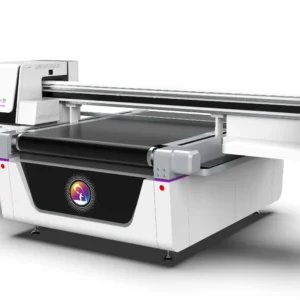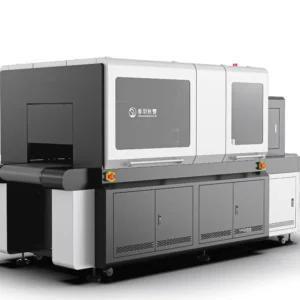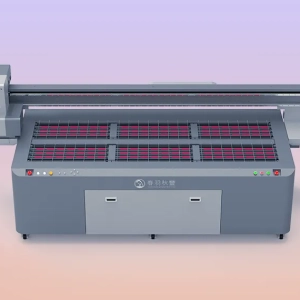
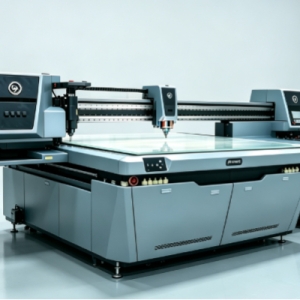
As decorative building materials, packaging, furniture manufacturing, consumer electronics, and artistic products continue to evolve, surface texture has become an important factor in product differentiation. Conventional printing techniques typically produce only flat graphics, while industrial UV printers use precision inkjet technology combined with instant UV curing to build ink layer by layer, creating realistic three-dimensional textures. Whether reproducing wood grain, stone patterns, leather finishes, or artistic embossed designs, UV printers deliver highly detailed tactile and visual effects through fully digital production processes.
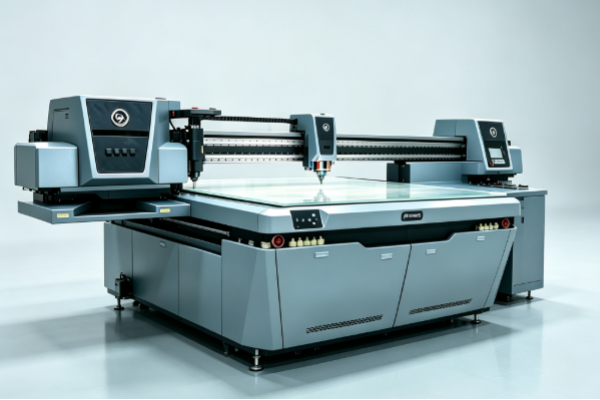
Working Principle of Multi-Layer 3D Texture Printing
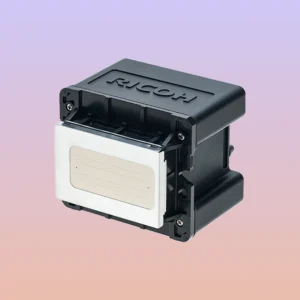
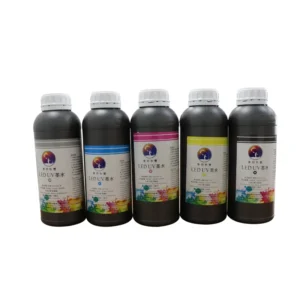
Industrial UV printers utilize high-precision piezoelectric printheads to deposit UV ink according to digital height data stored in the design file. After each ink layer is printed, UV lamps immediately cure the ink, allowing the next layer to be added without deformation. By repeating this process, the printer gradually builds a raised three-dimensional texture.
A typical production workflow includes:
- Import a design file containing both color and height information.
- RIP software automatically calculates ink volume and printing paths.
- Printheads deposit UV ink layer by layer according to the programmed settings.
- Each printed layer is instantly cured using UV light.
- Repeat the printing and curing process until the desired embossed height is achieved.
- Apply a transparent protective coating to improve wear resistance and surface gloss.
Digital process control accurately manages the thickness of every ink layer, producing natural embossed effects with consistent texture depth.
Value of Multi-Layer 3D Texture Printing
Compared with conventional printing methods, multi-layer 3D texture printing significantly enhances the appearance and perceived value of finished products.
Its major benefits include:
- Creating realistic surface textures with strong visual depth.
- Improving product aesthetics and brand recognition.
- Supporting premium customization and personalized manufacturing.
- Reducing product development time through digital workflow.
- Enabling flexible production for both small and large manufacturing batches.
As product appearance becomes increasingly important across industries, embossed texture printing continues to add commercial value and improve market competitiveness.
Technical Advantages of Multi-Layer UV Texture Printing
Modern industrial UV printers provide outstanding print accuracy, stable ink layer control, and reliable production performance, making them ideal for manufacturing high-quality embossed products.
Key technical advantages include:
- Precise Ink Layer Control:High-resolution printheads accurately stack microscopic ink droplets to produce smooth, consistent texture heights while preserving fine design details.
- Instant UV Curing:Each printed layer is cured immediately, preventing ink spreading and maintaining the shape and definition of the embossed structure.
- Support for Complex Texture Designs:The technology reproduces a wide variety of decorative effects, including wood grain, stone textures, leather finishes, embossed artwork, and customized surface patterns.
- Broad Material Compatibility:Industrial UV printers can print directly onto wood, glass, metal, acrylic, PVC, ceramic, composite panels, and many other rigid materials.
- Efficient Digital Production:Manufacturers can modify digital artwork and begin production immediately without creating new molds or tooling, greatly improving production flexibility.
These technical capabilities allow industrial UV printers to combine excellent production efficiency with exceptional texture quality.
Typical Applications of Multi-Layer 3D Texture Printing
Multi-layer UV texture printing has become widely adopted across numerous industries as digital printing technology continues to advance.
Typical applications include:
- Decorative cabinet doors, furniture panels, and wood surface finishing.
- Interior wall panels for residential and commercial decoration.
- Smartphone cases and electronic device housings with embossed textures.
- Luxury packaging boxes, gift boxes, and branded decorative products.
- Advertising displays, artistic wall decorations, and creative merchandise.
- Decorative glass panels, acrylic sheets, and metal surface printing.
Different products can be produced with customized texture heights, color combinations, and surface finishes to satisfy diverse design requirements.
Best Practices for Multi-Layer 3D Texture Printing
Consistent embossing quality depends on selecting appropriate printer settings and optimizing production parameters according to different materials.
Recommended operating procedures include:
- Clean the substrate thoroughly to remove dust, oil, and contaminants.
- Adjust the print platform and printhead height according to material thickness.
- Configure print resolution, ink layer quantity, and embossing height.
- Optimize UV curing intensity to ensure complete curing after each printed layer.
- Produce test samples to verify texture height, color accuracy, and ink adhesion.
- Begin continuous production after confirming all printing parameters.
- Apply a transparent protective coating to improve wear resistance and product durability.
- Perform routine maintenance on printheads, ink delivery systems, and UV curing units to ensure long-term stable operation.
A standardized production process not only produces highly consistent embossed textures but also improves manufacturing efficiency and overall product quality.
As industrial digital printing technology continues to advance, UV printers are delivering increasingly sophisticated multi-layer 3D texture capabilities. From furniture manufacturing and interior decoration to industrial production and customized products, embossed texture printing is opening new creative possibilities. Through precise inkjet control, instant UV curing, and fully digital workflows, industrial UV printers enable manufacturers to create premium products with realistic textures, outstanding durability, and stronger market competitiveness.