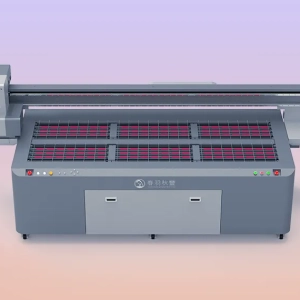
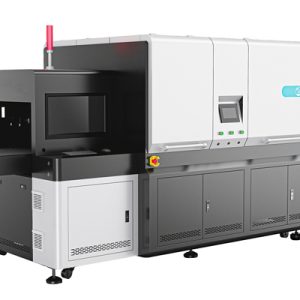
With the increasing use of plastic products in packaging, electronic accessories, advertising displays, household products, and industrial applications, businesses are placing higher demands on plastic surface printing quality. Achieving clear graphics, strong adhesion, and long-lasting durability has become a key focus in production. Traditional printing methods often face limitations when handling complex designs, small-batch customization, and various materials. UV printing, with advantages such as no plate-making, rich color performance, and strong adaptability, is becoming an important solution for PVC and plastic surface printing. However, because different plastic materials have different surface characteristics, printing stability still requires optimization through proper material preparation, ink selection, and equipment settings.
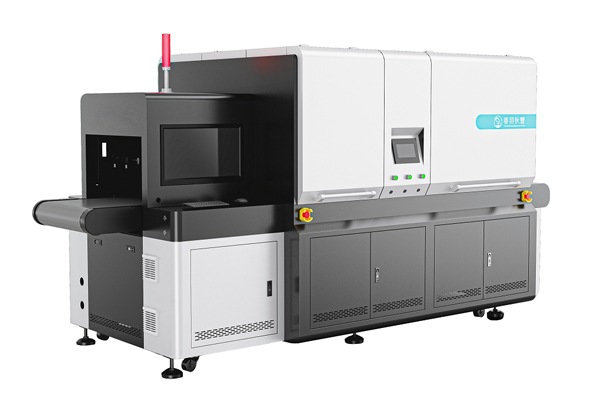
Basic Principle of UV Printing on PVC and Plastic
UV printing is a digital inkjet printing technology that uses printheads to accurately apply UV ink onto the material surface, followed by ultraviolet curing to create a stable ink layer. Compared with traditional screen printing, UV printing does not require plate preparation and can directly produce images from digital files, making it more suitable for modern customized and fast-changing production needs.
For PVC and plastic applications:
- UV ink forms an even layer on the material surface, delivering high-resolution images and rich color performance
- UV curing technology dries the ink quickly, reducing production waiting time and improving efficiency
- Digital printing supports complex graphics, gradient effects, and personalized designs
- Printing solutions can be adjusted according to different plastic materials to improve adhesion and production stability
For products such as PVC sheets, plastic packaging, and electronic housings, UV printing provides a more flexible and efficient surface decoration method.
Factors Affecting the Stability of UV Printing on PVC and Plastic
Although UV printing offers strong material adaptability, PVC and plastic surfaces are often smooth and have low ink absorption. Without proper preparation, these characteristics may affect the final printing results.
Main influencing factors include:
- Oil, dust, and mold release agent residues on plastic surfaces can reduce ink bonding strength
- Different plastic materials, such as PVC, ABS, PP, and PE, have different surface properties and require suitable printing solutions
- Incompatible UV ink performance may cause problems such as peeling, cracking, or reduced durability
- Incorrect printing speed, ink volume, or curing settings can affect image stability
Therefore, the stability of PVC and plastic UV printing depends not only on equipment performance but also on material characteristics and production process control.
How to Improve UV Printing Adhesion on PVC and Plastic?
Adhesion is one of the most important indicators for evaluating plastic UV printing quality. Through proper surface preparation and process optimization, businesses can significantly improve ink bonding and product durability.
Common improvement methods include:
- Cleaning plastic surfaces to remove dust, oil, and processing residues before printing
- Using suitable primers to improve surface conditions and enhance ink adhesion
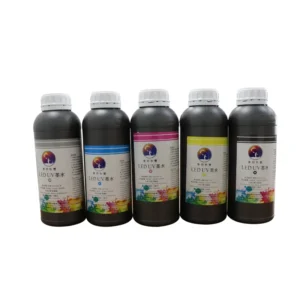
- Selecting UV inks specifically designed for PVC and plastic materials to improve wear and weather resistance
- Adjusting printing parameters according to product requirements to achieve better curing results
With these improvements, UV printed graphics can maintain better clarity and stronger adhesion during long-term use.
Application Advantages of UV Printing on PVC and Plastic
As demand for personalized products continues to grow, PVC and plastic products need stronger visual appeal and brand recognition. UV printing has been widely adopted in various industries due to its high precision and flexible production capabilities.
Common applications include:
- PVC advertising boards and display panels for brand promotion and high-quality graphic presentation
- Plastic electronic housings and equipment panels to improve appearance and product identification
- Plastic packaging boxes and decorative components for fast customization and design updates
- Household plastic products with customized patterns to increase product value
These applications demonstrate the advantages of UV printing in small-batch, multi-product, and personalized manufacturing.
Impact of UV Printing Equipment on Plastic Printing Stability
Besides materials and processes, UV printing equipment itself has a direct impact on the quality of plastic printing. Stable equipment ensures accurate ink delivery, consistent colors, and reliable long-term operation.
When selecting equipment, businesses should focus on:
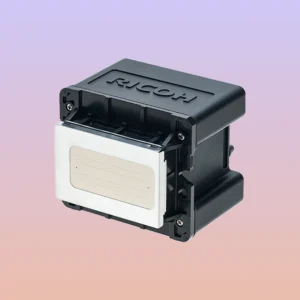
- Whether printhead accuracy meets the requirements for high-resolution plastic printing
- Whether the UV curing system provides stable performance and ensures proper ink bonding
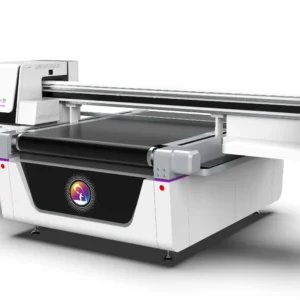
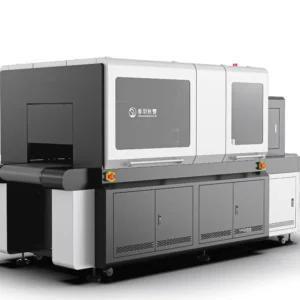
- Whether the printer supports different sizes and shapes of plastic products
- Whether equipment performance remains stable during continuous production
Reliable UV printing equipment helps reduce production variations and improve batch manufacturing efficiency.
Important Considerations for PVC and Plastic UV Printing Production
Although UV printing offers strong advantages in plastic applications, proper quality control is still necessary during production to prevent small process issues from affecting final product performance.
Key considerations include:
- Conducting adhesion tests before mass production to confirm compatibility between ink and material
- Creating dedicated printing parameters for different plastic products instead of using one standard setting for all materials
- Selecting suitable wear-resistant, waterproof, or weather-resistant treatments according to product usage conditions
- Establishing standardized production procedures to improve consistency between batches
Effective production management can further enhance the stability and reliability of PVC and plastic UV printing.
UV printing on PVC and plastic materials offers excellent application stability, but the final results depend on proper surface treatment, ink selection, equipment performance, and process control. As demand for personalized customization and fast production continues to increase, UV printing is becoming an important surface processing solution for plastic products due to its high precision, efficiency, and flexibility. SpringYprinter provides reliable UV printing equipment and professional technical support to help businesses improve the quality of PVC and plastic product printing.