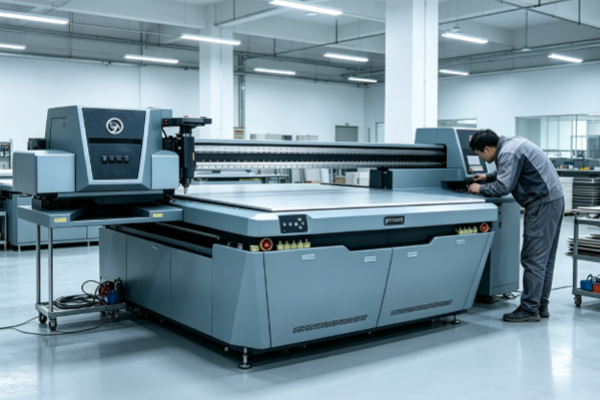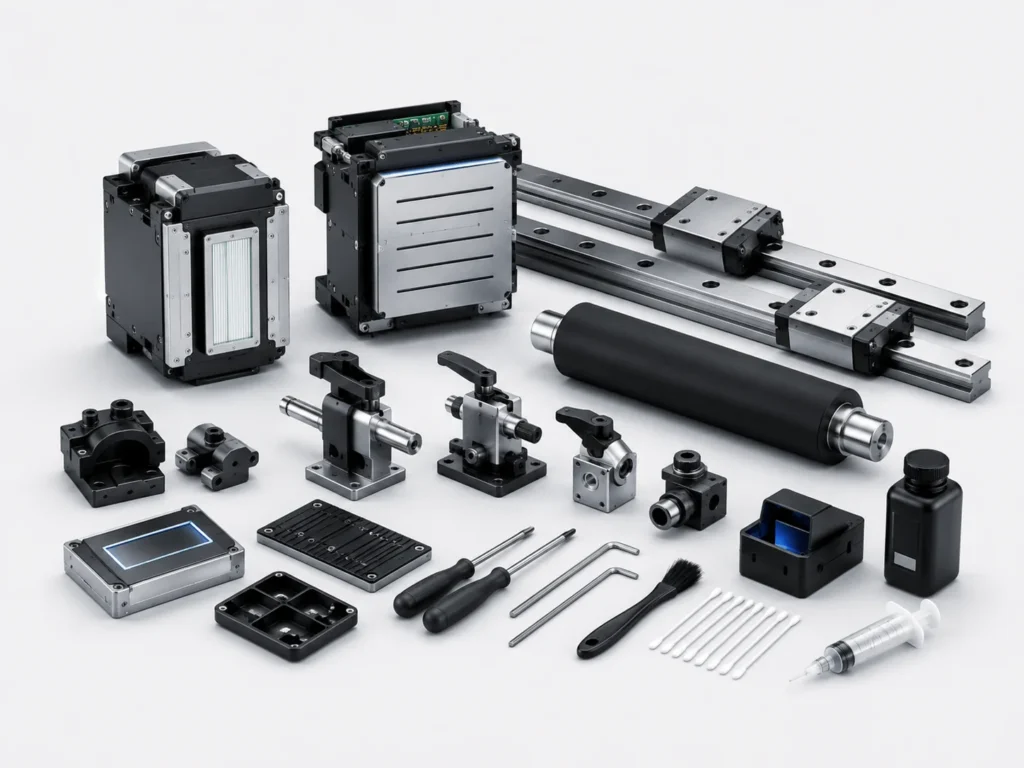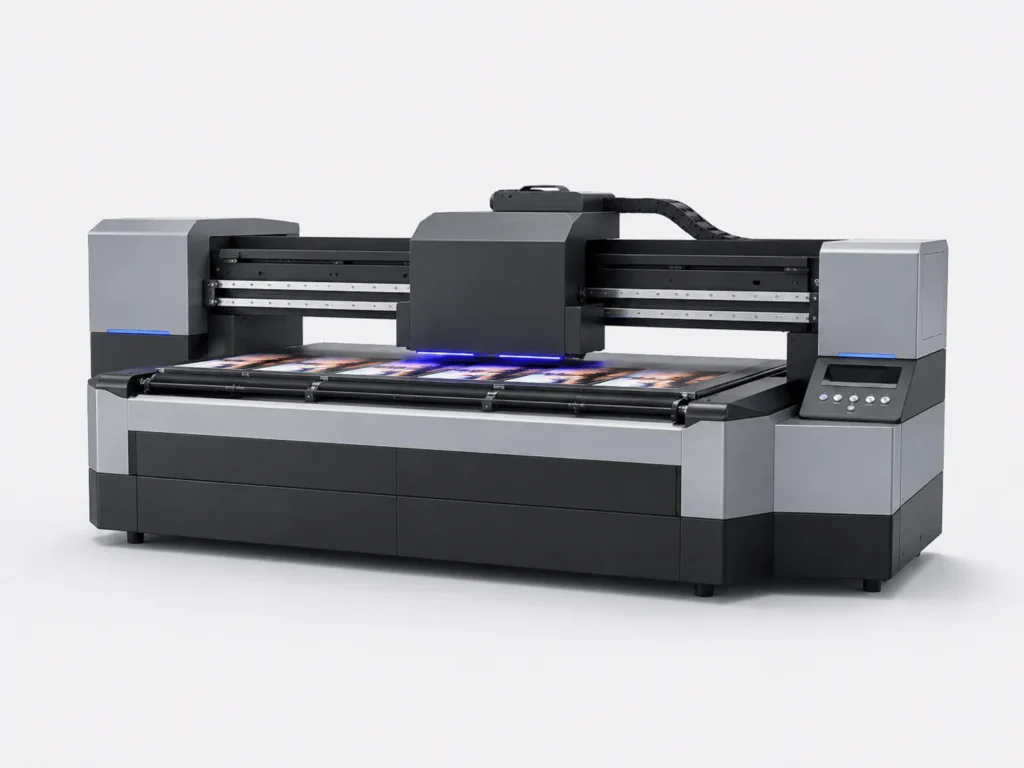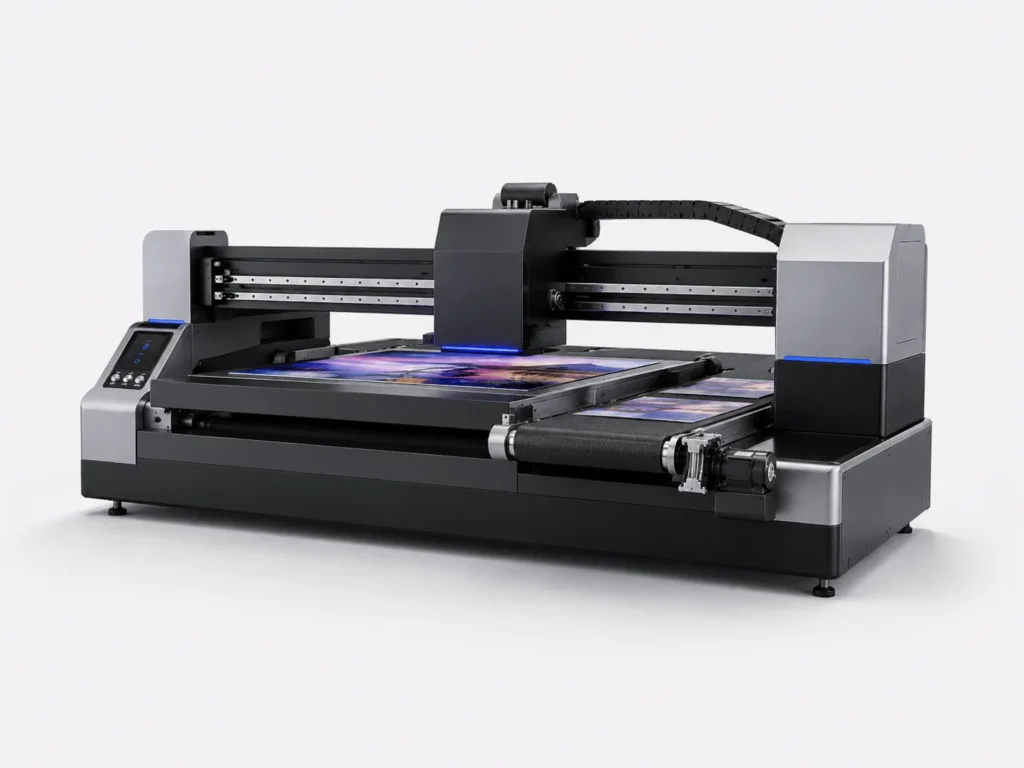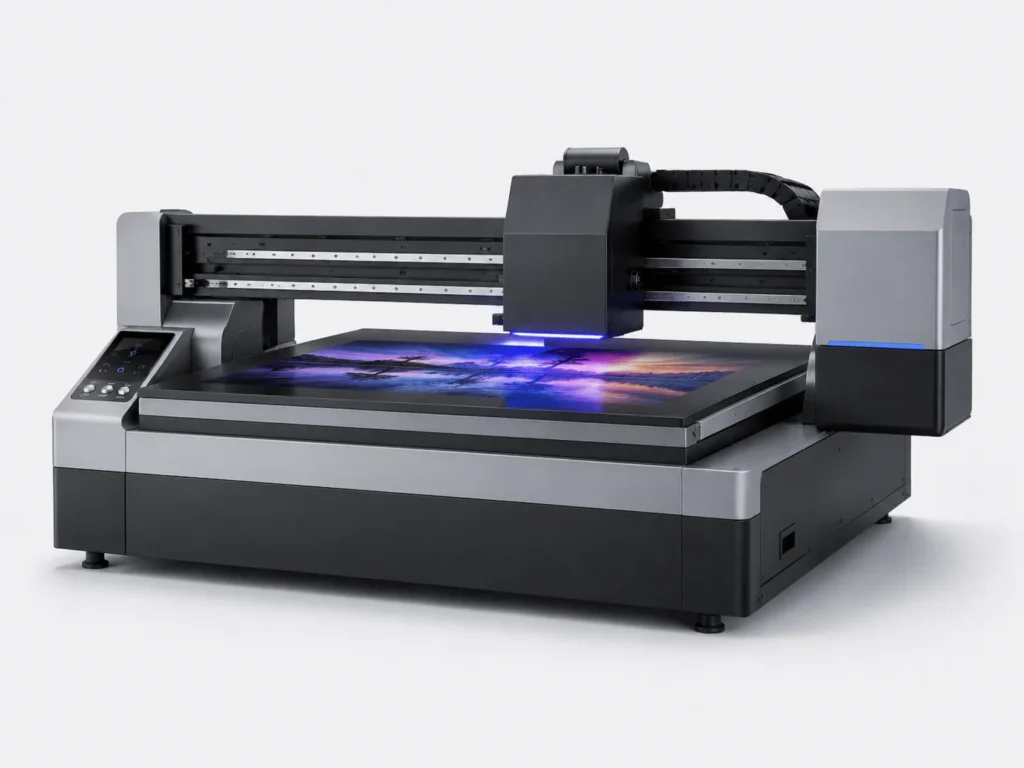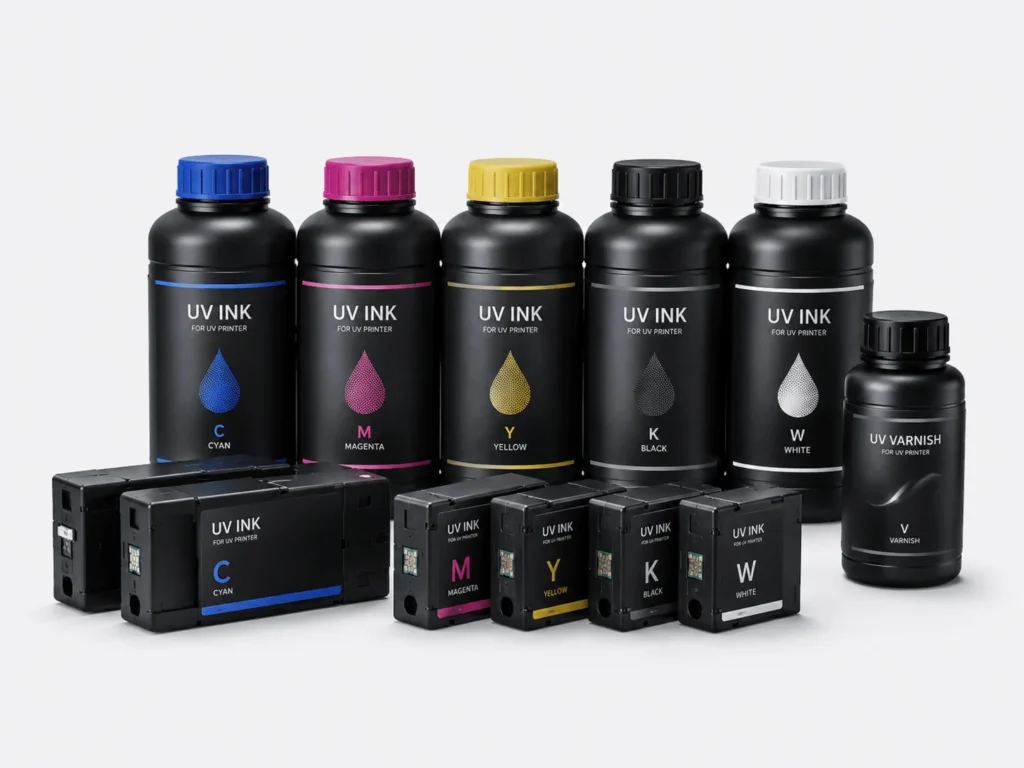
Single-pass printers are increasingly used in packaging, advertising, and industrial signage. However, as a core component, the printhead’s lifespan directly impacts equipment stability and production costs. The printhead has a precise structure and is sensitive to ink quality, environmental conditions, and operating methods. Improper use can easily lead to clogging, ink interruptions, or jet deviation. Through scientific maintenance and standardized operation, printhead lifespan can be significantly extended, improving overall production efficiency and output quality.
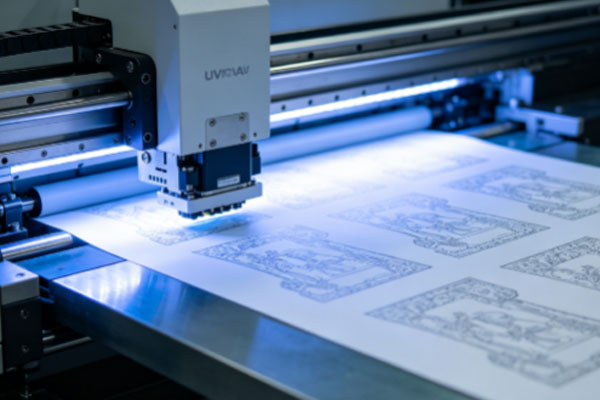
Printhead Working Principle and Wear Mechanism
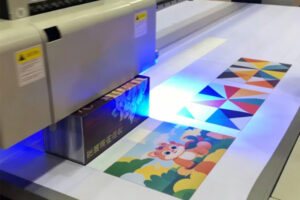
Single-pass printer printheads use high-speed micro-piezoelectric or thermal foaming methods to precisely spray ink in the form of tiny droplets onto the material surface, which is then instantly cured by a UV system. The printhead contains a large number of micropores, and each nozzle needs to maintain a stable ink flow.
During long-term operation, printhead wear mainly comes from the following situations:
- Ink sedimentation causes nozzle blockage, affecting ink uniformity.
- Improper curing light reflection leaves solidified residue on the nozzle edges.
- Prolonged high-speed operation leads to piezoelectric crystal fatigue.
- Environmental dust entering the printhead area causes pollution.
If these problems are not addressed promptly, they will gradually reduce printhead accuracy and may even lead to permanent damage.
The Core Value of Printhead Maintenance
Printhead maintenance is not only part of equipment upkeep but also directly relates to production stability and cost control. Good maintenance habits can significantly reduce downtime and improve equipment utilization.
The main values include:
- Extending printhead lifespan and reducing replacement costs.
- Maintaining printing accuracy and improving finished product quality stability.
- Reducing the probability of production interruptions and improving production line efficiency.
- Reducing ink waste and rework rates.
- Maintaining long-term stable equipment operation.
For factories with continuous production, printhead condition directly affects order delivery capability.
Key Technological Advantages for Improving Printhead Lifespan
In industrial UV single-pass printing equipment, printhead wear rates can be significantly reduced through technological optimization and standardized operation.
Key measures include:
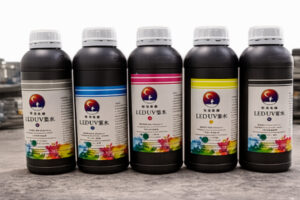
- Stabilized Ink System: Using filtered industrial UV ink reduces particulate matter entering the nozzles.
- Constant Temperature Operating Environment: Maintaining a stable operating environment to prevent temperature changes from affecting ink flow.
- Automatic Cleaning System Support: Regularly and automatically cleaning the printhead to prevent ink drying.
- High-Precision Motion Control: Reducing printhead vibration and improving spray consistency.
- Negative Pressure Ink Supply Stable Design: Ensuring continuous ink flow and preventing air from entering the printhead.
These technologies work together to effectively reduce the printhead load, allowing it to remain stable during long-term operation.
Impact of Application Scenarios on Printhead Lifespan
Different application environments significantly affect printhead wear rates; therefore, reasonable control of usage intensity is crucial.
Common application environments include:
- Continuous high-speed production lines in the packaging industry
- Large-area color printing of advertising signs
- Long-term batch printing of industrial panels
- Small-batch customized production with frequent color changes
- High-precision color pattern and embossing printing
In high-speed production environments, printheads operate continuously for longer periods, requiring a more rigorous maintenance schedule. In multi-category, small-batch production, it is even more crucial to pay attention to ink path stability issues caused by frequent switching.
Correct Usage Methods to Extend Printhead Life
Standardized operation is the most direct and effective way to extend printhead life. Standardized procedures can significantly reduce the probability of malfunctions. Recommended operating procedures are as follows:
- Perform printhead inspection and test printing before starting the machine each day.
- Use original or industrial-grade UV inks that meet the equipment requirements.
- Avoid prolonged dry-printing or ink-deficient operation.
- Perform a cleaning procedure immediately after production.
- Replace filters regularly to prevent ink path contamination.
- Maintain a proper distance between the printhead and the material.
- Avoid operating the equipment in a dusty environment.
Establishing a stable maintenance cycle is crucial. For example, weekly deep cleaning of the printhead, monthly inspection of the ink supply system, and regular calibration of printhead accuracy can significantly extend the lifespan of the machine.