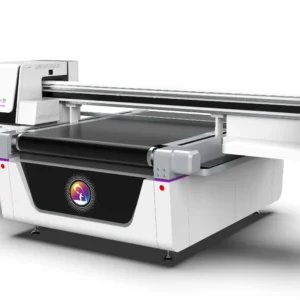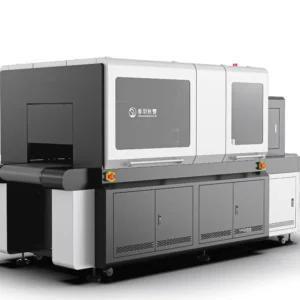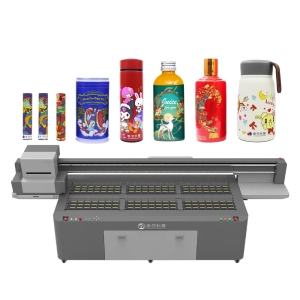
Industrial UV printers use high-precision inkjet technology and rapid UV curing to produce realistic 3D embossed textures directly on materials such as glass, metal, acrylic, wood, PVC, and more. Compared with traditional engraving or embossing methods, UV printing simplifies production while allowing users to adjust texture height through digital design files. This makes it ideal for both customized orders and large-scale manufacturing. As printhead technology, UV inks, and control software continue to improve, 3D embossed printing has become an important solution for signage, home décor, packaging, and industrial applications.
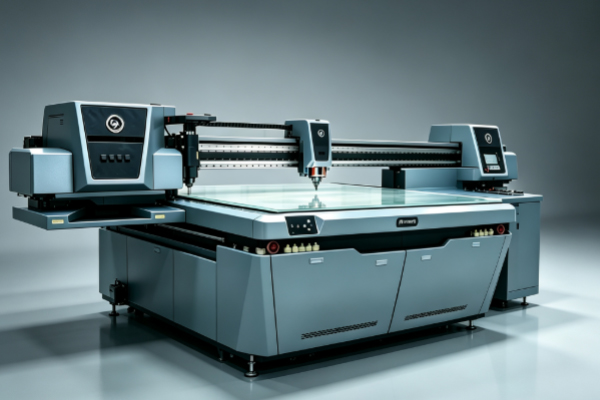
How Industrial UV Printers Produce 3D Embossed Effects
Unlike mechanical engraving, industrial UV printers build embossed textures by depositing multiple layers of UV ink. Each layer is instantly cured with ultraviolet light, creating a durable raised surface with excellent dimensional stability.
The complete printing process generally includes the following steps:
- Import a design file containing height and texture information.
- Use RIP software to calculate ink volume for each printing area.
- Print multiple ink layers while curing each layer immediately.
- Repeat the layering process until the desired embossing height is achieved.
- Apply the color layer and protective coating to enhance both appearance and durability.
This digital process provides accurate height control, smooth edge transitions, and detailed texture reproduction that closely matches the original design.
Key Factors That Affect 3D Embossed Print Quality
Achieving high-quality 3D embossed printing requires more than advanced equipment. Several important factors work together to determine the final result.
Important considerations include:
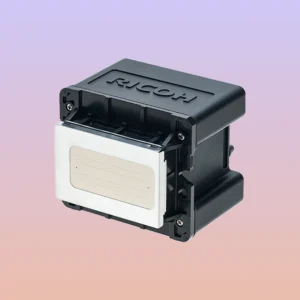
- Printhead Precision:High-resolution printheads produce smaller ink droplets, allowing sharper details, smoother edges, and more refined embossed textures.
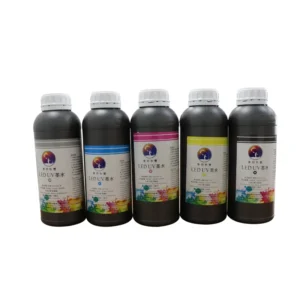
- UV Ink Performance:Ink viscosity, curing speed, and stacking capability directly influence embossing height, structural stability, and surface consistency.
- Material Surface Condition:Different materials have different surface properties. Some substrates require cleaning or primer treatment to improve ink adhesion before printing.
- Printing Parameter Settings:Ink volume, print speed, curing intensity, and layer quantity should all be optimized according to the material and product requirements.
Proper adjustment of these factors improves texture depth, reduces surface imperfections, and ensures consistent production quality.
Advantages of Industrial UV Printers for 3D Embossed Printing
Modern industrial UV printers offer excellent production flexibility while maintaining outstanding print accuracy.
Key advantages include:
- No engraving molds are required.
- Complex embossed patterns can be produced directly from digital files.
- Design modifications can be completed quickly without changing hardware.
- Color printing and embossed printing can be completed in one production process.
- Suitable for continuous mass production.
- Reduced material waste helps lower manufacturing costs.
For businesses that frequently introduce new products, digital UV printing shortens development cycles and enables efficient customized production without increasing manufacturing complexity.
Industries That Benefit from 3D Embossed UV Printing
The ability to produce realistic textured surfaces has expanded the use of industrial UV printers across many industries. Each application requires different embossing heights, surface finishes, and durability levels.
Common applications include:
- Advertising signs and company logos with raised branding effects.
- Decorative wall panels, interior décor, and architectural surfaces.
- Furniture panels featuring wood grain, stone textures, or leather-like finishes.
- Customized phone cases, laptop covers, and consumer electronics.
- Premium packaging for cosmetics, luxury products, and gift boxes.
- Artwork reproduction, decorative paintings, and creative merchandise.
As customers increasingly value premium appearance and tactile quality, more manufacturers are replacing conventional embossing and engraving processes with UV embossed printing technology.
Best Practices for Operating Industrial UV Printers
Consistent production quality depends on standardized operating procedures and proper parameter adjustment for different materials.
Recommended operating steps include:
- Inspect and clean the printheads before production.
- Remove dust and contaminants from the substrate surface.
- Adjust the print platform height according to material thickness.
- Configure embossing height, layer count, and printing sequence in the software.
- Print a sample and fine-tune ink volume, curing power, and print speed.
- Begin full-scale production while monitoring printing performance.
- Inspect finished products for embossing accuracy, color consistency, and surface quality.
Routine maintenance is equally important. Regular printhead cleaning, UV lamp inspection, and guide rail maintenance help ensure long-term reliability and consistent printing performance.
Industrial UV printers have become one of the most effective solutions for producing high-quality 3D embossed products. Their digital workflow, precision printing capability, and wide material compatibility provide efficient production solutions for signage, decorative materials, industrial manufacturing, customized products, and premium packaging. As UV printing technology continues to advance, 3D embossed printing will play an even greater role in future manufacturing and product innovation.