In the context of continuous upgrades in the manufacturing industry, production methods are gradually shifting from traditional plate-based printing to digital and flexible manufacturing. UV printing, as one of the fastest-growing printing technologies in recent years, is being adopted by more and more factories. From packaging industries to industrial components, from personalized customization to mass production, it is widely used. When upgrading equipment, many companies often focus on the same question: what is the core principle of UV printing, and why can it quickly replace some traditional processes in a short time? Understanding its working mechanism helps businesses better evaluate whether it fits their production needs and make more optimized decisions between cost and efficiency.
Basic Working Principle of UV Printing
The core of UV printing lies in the combination of “inkjet + UV curing,” which is completely different from traditional methods that rely on absorption or natural drying.
The main workflow includes:
- Design files are processed by RIP software and sent to the printing system
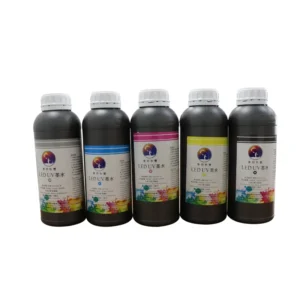
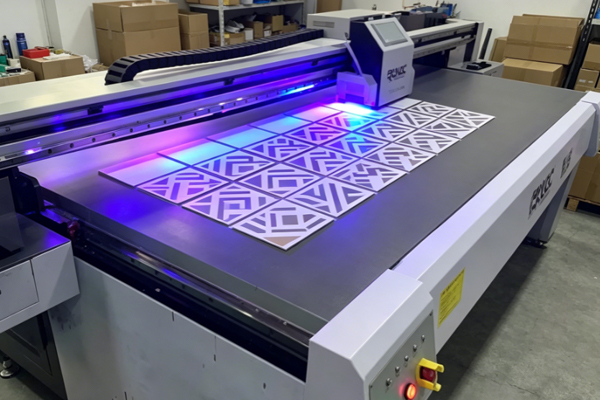
- The printhead sprays UV ink onto the material surface according to precise paths
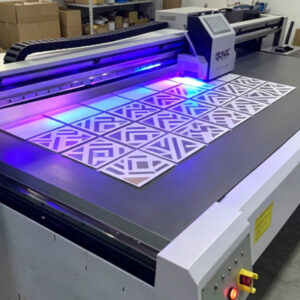
- UV lamps simultaneously irradiate the ink, instantly curing it into shape
- The printed pattern is ready for the next process without waiting for drying
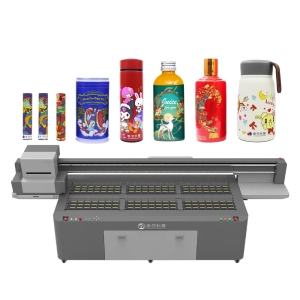
This instant curing method gives UV printing strong advantages in speed and stability, making it especially suitable for continuous production environments. At the same time, it does not rely on material absorption, allowing direct printing on glass, metal, plastic, and many other surfaces—this is one of the key reasons why many factories choose it.
How the Inkjet System Affects Printing Precision?
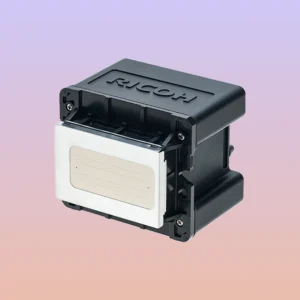
The inkjet system is the core component that determines print quality in UV printing, directly affecting image detail, color depth, and overall clarity.
The inkjet structure mainly includes:
- Industrial-grade printheads
- Ink circulation system
- Precision rail structure
- Motion control system
During printing:
- The printhead controls droplet size based on image data
- The rails ensure stable printhead movement
- Multi-channel printing enables color mixing
- Software ensures precise positioning
Higher inkjet precision results in sharper edges and smoother gradients. This is why high-end packaging and industrial labeling increasingly rely on UV printing.
Efficiency Improvements Brought by the UV Curing System
The UV curing system is the key technology that distinguishes UV printing from traditional printing, as it determines production rhythm and material adaptability.
Its working process includes:
- UV lamps immediately expose the ink after spraying
- Photoinitiators trigger rapid polymerization
- Ink instantly transforms from liquid to solid
- The pattern firmly adheres to the material surface
This process brings several significant advantages:
- No drying time required before further processing
- Reduced ink spreading or bleeding
- Supports high-speed continuous printing
- Stronger scratch resistance of finished products
For factories, this means a more compact production cycle and faster order delivery.
How Multi-Material Compatibility Is Achieved?
One major reason UV printing is rapidly adopted in factories is its strong material adaptability.
Common compatible materials include:
- Glass and ceramics
- Metals and aluminum
- PVC and ABS plastics
- Acrylic and composite boards
- Wood and decorative panels
Its implementation relies on several key technologies:
- White ink base layer enhances color performance
- Surface pretreatment improves adhesion
- Adjustable UV intensity adapts to different materials
- Multi-layer printing enables 3D effects
For example, on transparent materials, a white ink layer must be printed first; otherwise, colors may appear faint or even invisible. This flexibility allows UV printing to cover a wide range of industrial applications.
Why More and More Factories Choose UV Printing?
In real production, factories do not only consider technological advancement but also overall efficiency and cost structure.
Reasons for the popularity of UV printing include:
- No plate-making, reducing preparation time
- Supports small-batch and multi-variety orders
- Enables direct personalized customization
- Reduces labor and intermediate processing costs
- Better suited for e-commerce and fast delivery models
Compared with traditional printing that relies on large-volume orders, UV printing is more suitable for today’s fragmented and customized market structure. Especially in packaging, gifts, and electronic product casing industries, where order variations are frequent and product styles are diverse, UV printing shows strong advantages in flexible order handling, fast switching, and customization.
Future Development Trends and Factory Upgrades
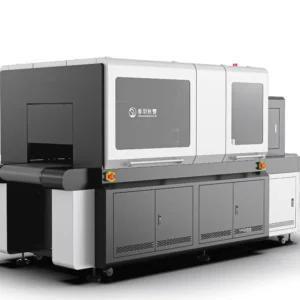
With the development of smart manufacturing, UV printing is gradually evolving from a standalone device into part of integrated production systems.
Future trends include:
- Higher precision printheads
- Faster printing speeds
- Automated loading and unloading systems
- More eco-friendly, low-consumption inks
These improvements will further reduce labor dependency and increase overall efficiency, making UV printing a key component of digital factories.
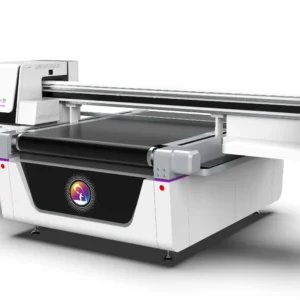
The essence of UV printing is the direct transformation of digital images into physical products. Through the combination of inkjet technology and UV curing, it achieves a balance of high efficiency and multi-material compatibility. This technology not only changes traditional printing methods but also drives the manufacturing industry toward flexibility and intelligence. SpringYprinter specializes in UV printing solutions, providing stable and efficient digital production equipment for factories.