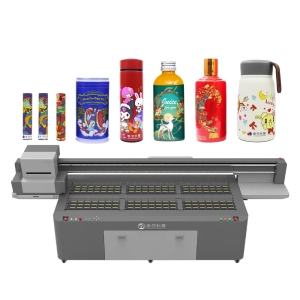
As demand for personalized customization and digital manufacturing continues to grow, UV printing has been widely adopted in industries such as advertising, packaging, home décor, industrial manufacturing, and custom gifts. One of the biggest advantages of UV printing over traditional printing is its excellent material compatibility. It can print not only on paper but also directly on non-absorbent materials such as glass, metal, and plastic while delivering high-quality graphics. For businesses planning to purchase equipment or expand their services, understanding which materials are suitable for UV printing and the characteristics of each material can help improve production efficiency and competitiveness.
Glass Is One of the Most Important Materials for UV Printing
Glass features a smooth surface, transparency, and an elegant appearance, making it widely used in cosmetics, beverages, and interior decoration. UV printing can produce high-quality graphics directly on glass surfaces.
Common applications include:
- Cosmetic glass bottle decoration
- Brand logo printing on perfume bottles
- Customized glass trophies and souvenirs
- Decorative architectural glass and artistic glass panels
To achieve better printing quality, white ink undercoats or surface treatments are often applied to enhance color vibrancy and improve ink adhesion.
Plastic Materials Offer Extensive Applications
Plastic is one of the most common materials used in UV printing and is widely applied in consumer products, electronics, and packaging.
Suitable plastic materials include:
- ABS
- Acrylic (PMMA)
- PVC
- PET
- PC
Different plastics have different surface properties, and some require pretreatment to improve ink adhesion. Compared with traditional labeling methods, UV printing applies graphics directly to the product, reducing processing steps while delivering richer colors and finer details. This makes it increasingly popular among packaging manufacturers and custom printing businesses.
Metal Materials Create Premium Visual Effects
As brands continue to upgrade their packaging, more companies are using UV printing on metal products.
Common applications include:
- Insulated tumblers
- Aluminum packaging boxes
- Metal nameplates
- Stainless steel decorative parts
- Metal product housings
UV printing produces high-definition graphics directly on metal surfaces while combining white ink, varnish, or embossed effects to enhance product appearance. It is widely used for gifts, premium packaging, and industrial identification, reducing post-processing while improving production efficiency.
Wood and Decorative Panels Are Also Ideal for UV Printing
In recent years, the home décor industry has increasingly adopted UV printing for customized decorative designs.
Typical applications include:
- Wooden wall art
- Furniture panels
- Wooden doors
- Wooden crafts
- Display props
Without requiring traditional screen-printing plates, UV printing can quickly produce complex graphics, making it ideal for small-batch, multi-design production. The vivid colors also satisfy a wide range of interior design styles and branding requirements, adding greater value to finished products.
Ceramic, Leather, and Other Specialty Materials Can Also Be Printed
Beyond common materials, UV printing is compatible with many specialty materials, giving businesses more opportunities to expand their product offerings.
Examples include:
- Ceramic mugs
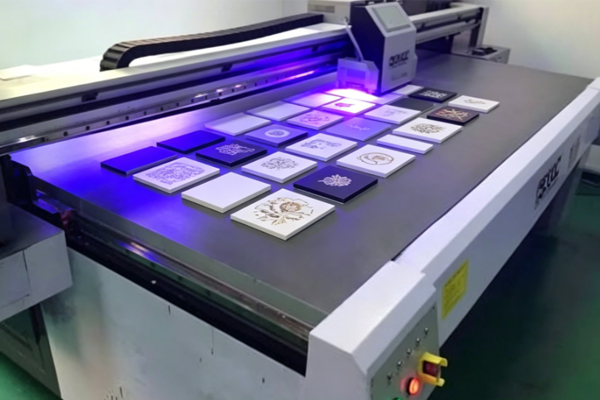
- Ceramic tile murals
- Phone cases
- Artificial leather products
- Acrylic display signs
For different materials, the printer can adjust printing parameters, UV curing intensity, and ink layer thickness to ensure stable printing performance. This means businesses can handle a wide variety of products with a single UV printing system, improving both productivity and return on investment.
With its broad material compatibility and outstanding print quality, UV printing has become one of the most important technologies in modern digital manufacturing. Whether printing on glass, metal, plastic, wood, or ceramic, it delivers attractive, durable, and high-quality direct printing results. SpringYprinter specializes in UV printing solutions, providing stable and efficient digital printing equipment for businesses.