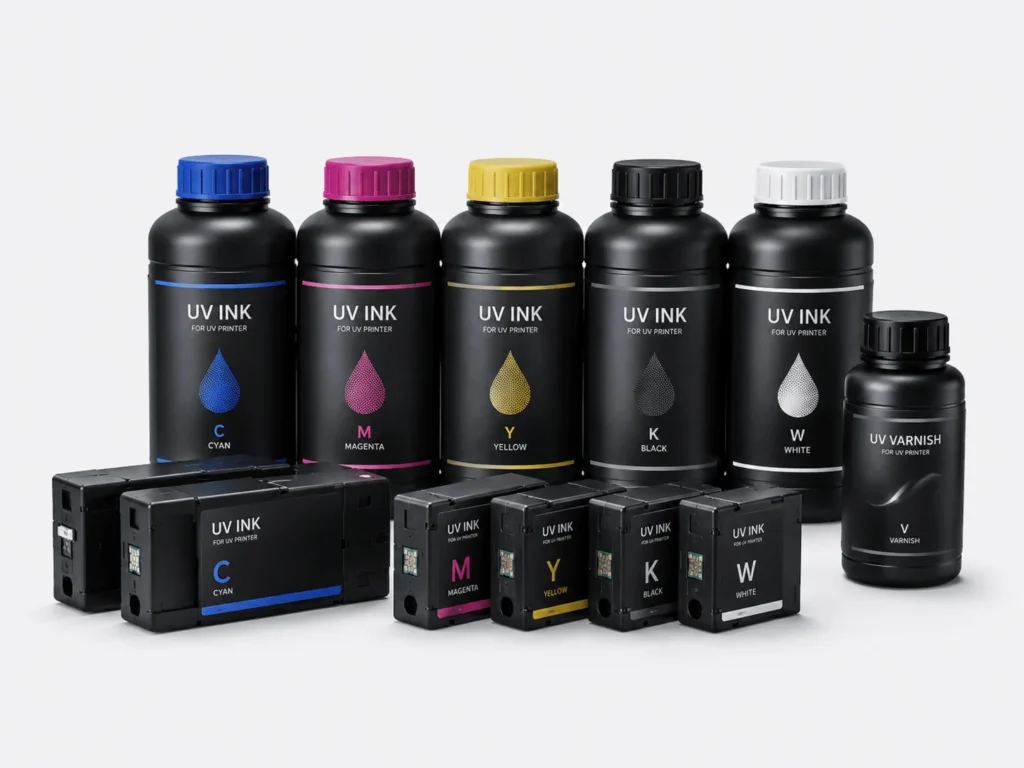
With the continuous upgrading of architectural decoration, home customization, commercial displays, and electronic glass products, the glass printing market has placed higher demands on production efficiency and print quality. Traditional glass processing usually requires processes such as screen printing and heat transfer, which not only involves a long production process but also requires the creation of templates, resulting in insufficient flexibility when facing diverse orders. UV single-pass printers, with their high-speed digital inkjet printing and instant curing technology, provide a more efficient solution for the glass processing industry. The equipment can directly print high-definition patterns on the glass surface while maintaining stable color performance, providing strong support for enterprises to improve production efficiency and product added value.
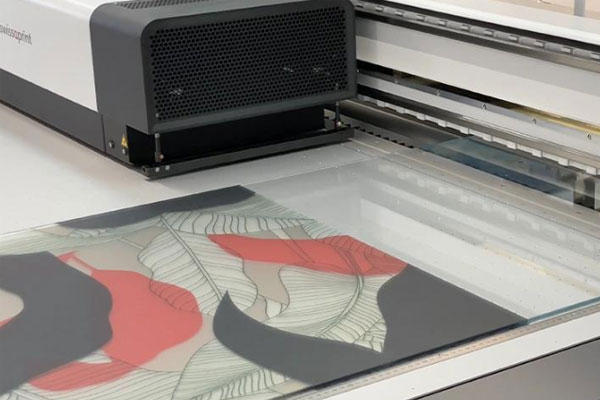
UV Single-Pass Printers Enable High-Speed Glass Printing
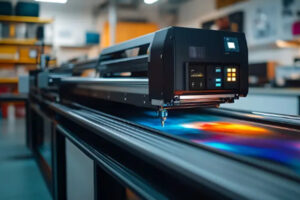
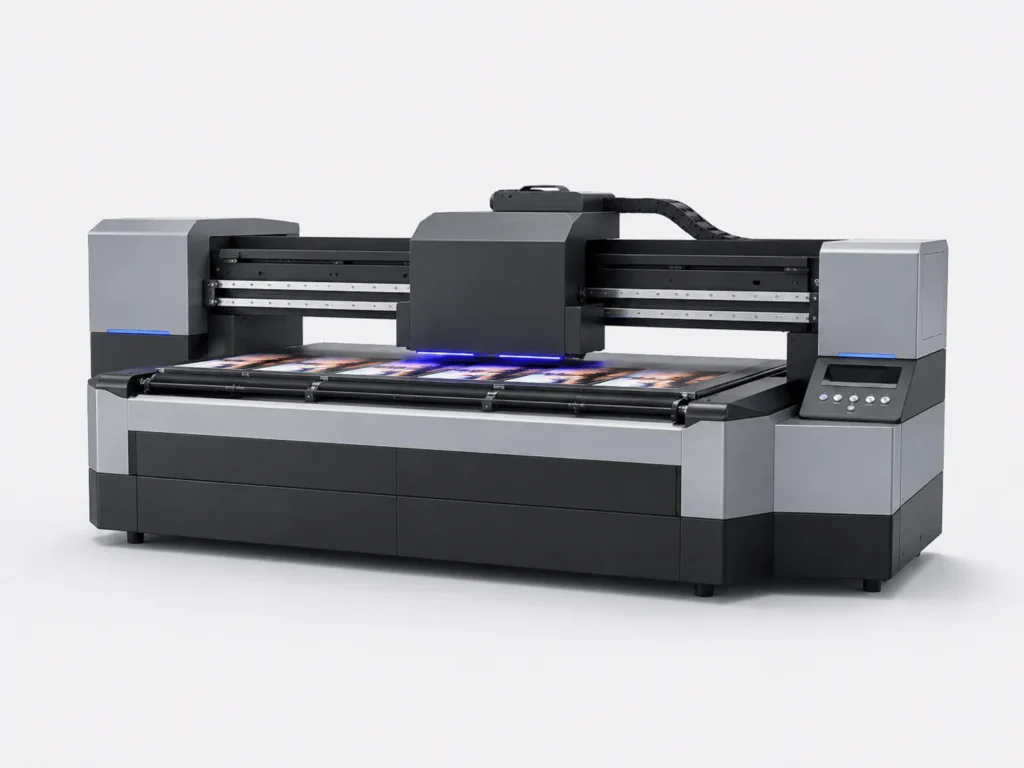
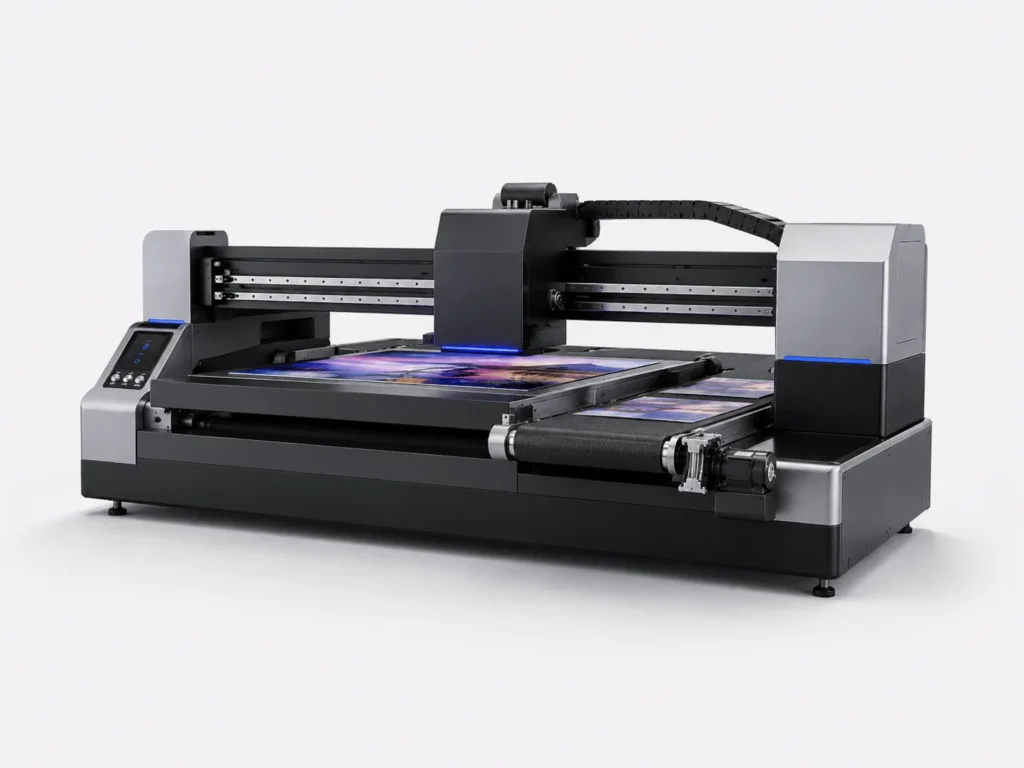
High-speed production is a key feature of UV single-pass printers in glass processing. The equipment uses a fixed printhead array with an automatic conveyor platform, allowing the entire image to be output as the glass passes through the printing area, eliminating the need for repeated movement of the printing carriage as in traditional scanning equipment. This continuous production method is ideal for high-volume production projects such as architectural glass, background wall glass, decorative glass, and appliance glass. Continuous printing not only shortens processing cycles but also reduces waiting time, improving the overall efficiency of the production line and enabling companies to deliver orders faster.
Advantages of High-Speed Printing
Continuous production creates more value for glass processing companies.
- No need for back-and-forth scanning during printing.
- Large-size glass can be continuously output.
- Significantly improved processing efficiency for batch orders.
- Can be connected to automatic loading and unloading equipment.
- Shortens the overall production cycle.
- Improves equipment utilization.
Stable high-speed production helps companies increase their order fulfillment capacity and meets the efficiency requirements of industrial manufacturing.
High-Definition Printing Enhances Glass Product Quality
Glass decorative products not only require rich colors but also high image precision. UV single-pass printers use an industrial-grade printhead control system that precisely controls droplet size, resulting in richer image details, clearer text edges, and more natural gradient colors. Excellent visual effects can be achieved for architectural decorative glass, art glass, shower room glass, partition glass, and display glass. Combined printing with white and colored inks can achieve special effects such as translucency, frosting, and 3D embossing, giving glass products higher decorative value and market competitiveness.
What Effects Can High-Definition Printing Achieve?
A wide range of printing capabilities can meet the needs of different products.
- High-resolution color pattern printing.
- Simultaneous white and color output.
- Natural gradient color transition.
- Embossed texture printing.
- Decorative effects such as wood grain and stone grain.
- Quick switching of personalized patterns.
These printing effects can meet the quality requirements of commercial decoration and high-end home furnishing products, making glass products more visually appealing.
UV Curing Technology Improves the Durability of Finished Glass Products
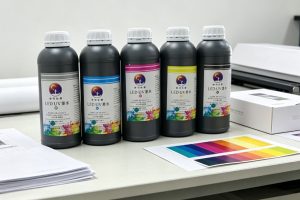
Glass surfaces are relatively smooth, requiring high ink adhesion performance. UV single-pass printers use LED ultraviolet curing technology, which quickly cures the ink after spraying, ensuring the pattern adheres firmly to the glass surface. After proper processing, the printed layer has good wear resistance, scratch resistance, moisture resistance, and weather resistance, making it suitable for various environments such as interior decoration, commercial displays, and furniture applications. Rapid curing also reduces dust adhesion, improves finished product yield, and makes subsequent packaging and transportation more convenient.
Wide Applicability to Various Glass Processing Industries
With the continuous development of digital printing, UV single-pass printers have been widely used in the processing of various glass products. In the architectural decoration industry, they can be used for background wall glass, elevator decorative glass, curtain wall glass, etc.; in the furniture industry, they can produce coffee table glass, cabinet glass, and sliding door glass; in the commercial display industry, they can process advertising display boards, brand image glass, and artistic decorative products; and in the home appliance industry, they can be used for printing refrigerator panels, oven glass, and control panels. The equipment supports quick pattern changes, eliminating the need for printing templates, making it more suitable for the current market trend of small-batch, multi-variety production.
Common Glass Printing Applications
UV single-pass printers can meet the production needs of various products.
- Architectural decorative glass.
- Furniture glass.
- Shower room glass.
- Art glass.
- Home appliance glass panels.
- Commercial display glass.
- Hotel decorative glass.
- Office partition glass.
A wide range of applications helps businesses expand their product range and enhance their market competitiveness.
Automated Production Helps Businesses Reduce Operating Costs
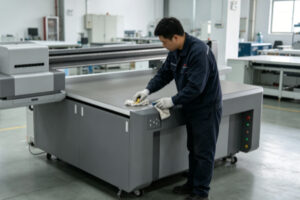
Modern UV single-pass printers are no longer just printing devices, but intelligent production systems. The equipment integrates automatic feeding, intelligent ink supply, printhead protection, automatic positioning, LED curing, and control software, enabling continuous production and automated management. Operators can import images, adjust parameters, and manage print jobs through the control system, reducing manual intervention and improving production stability. For glass processing companies, automated equipment not only reduces labor input but also reduces material waste, improves product consistency, and creates higher economic benefits. With the increasing prevalence of intelligent manufacturing, UV single-pass printers will play an increasingly important role in the glass processing industry, helping companies achieve high-efficiency, high-quality, and digital production goals.