With the continuous upgrading of the food consumption market, packaging not only serves as product protection but also becomes an important carrier of brand communication. Consumers have placed higher demands on packaging appearance, color performance, and personalized design, while food companies also hope to shorten the new product launch cycle and improve packaging production efficiency. Traditional printing methods often require a long preparation time when dealing with orders of multiple specifications, small batches, and rapid plate changes. Single-pass printers, with their high-speed digital inkjet printing technology, bring a more flexible and efficient production model to the food packaging industry. They can quickly complete pattern output without the need for traditional printing plates, helping companies improve packaging quality and meet ever-changing market demands.
The Working Principle of Single-Pass Printers: Suitable for Continuous Food Packaging Production
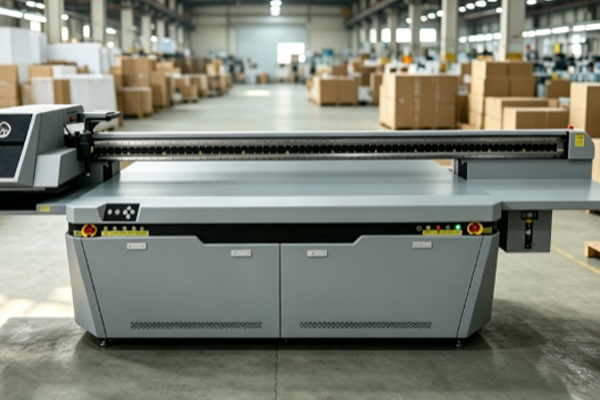
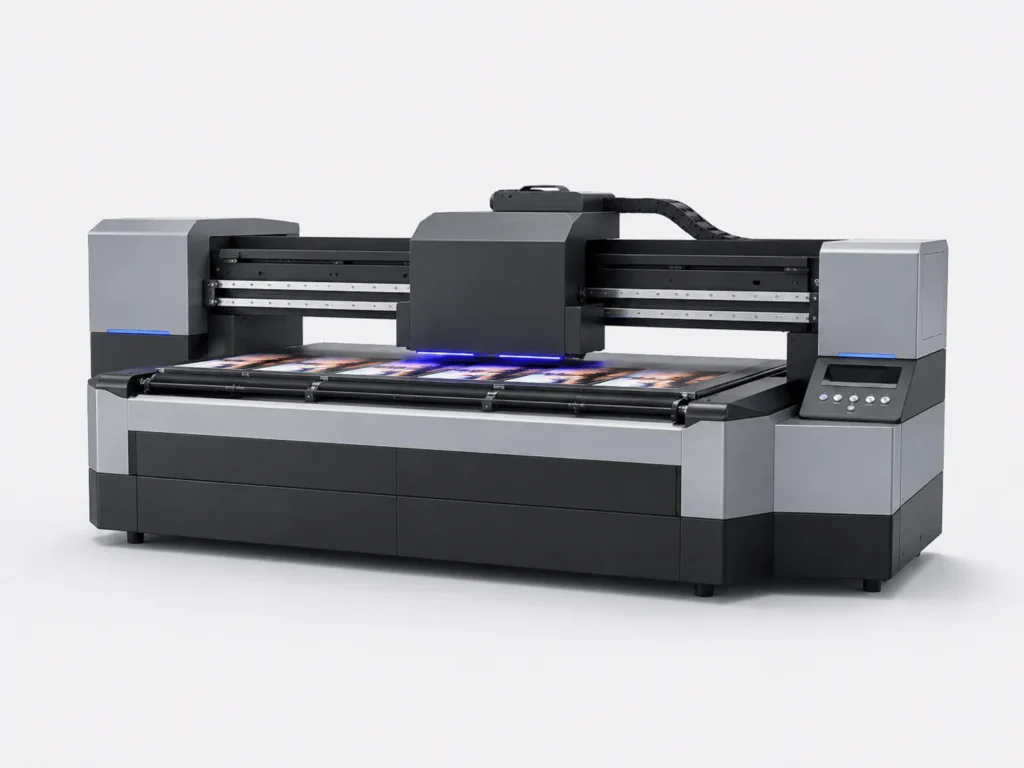
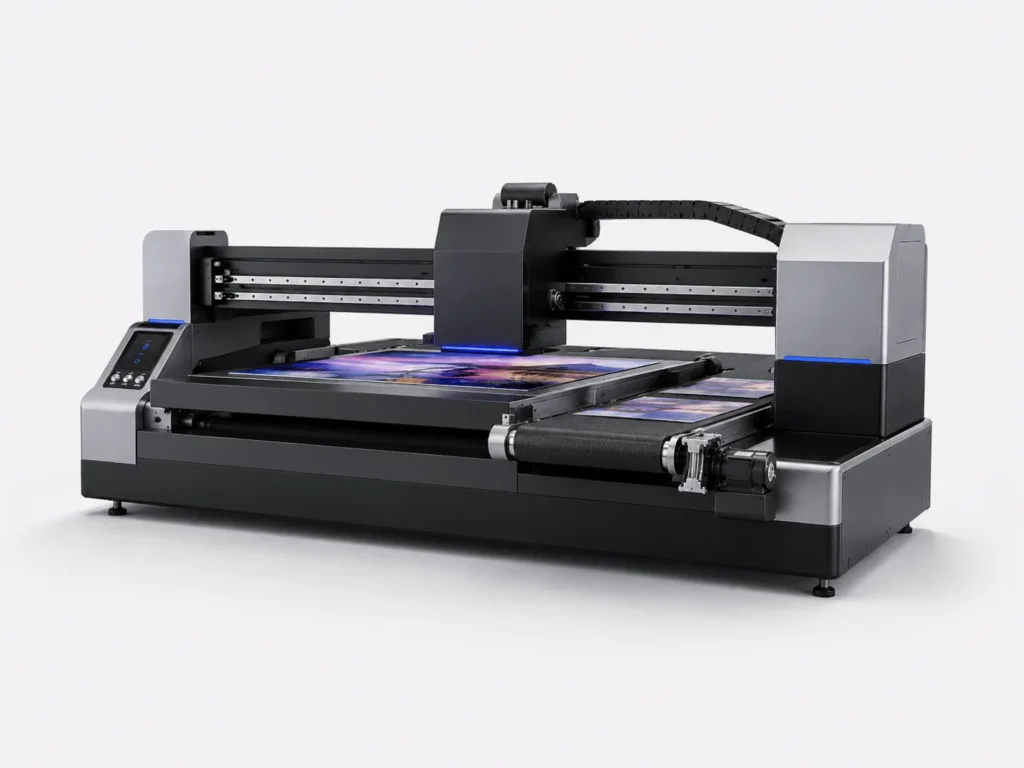
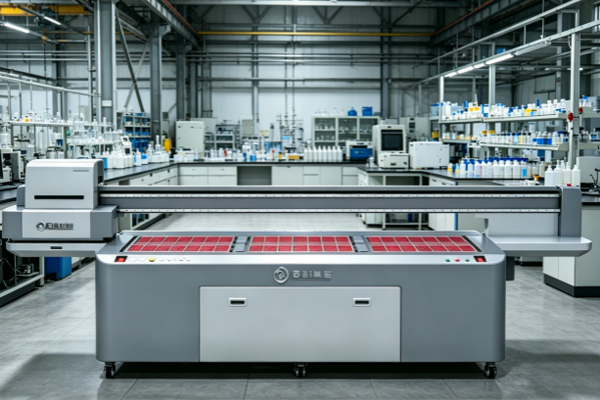
Single-pass printers use a fixed printhead array and an automatic conveyor platform working synchronously. The entire image is output in one pass as the packaging material passes through the printing area, eliminating the need for repeated movement of the printing carriage. This continuous inkjet printing method is ideal for the mass production of materials such as cartons, corrugated cardboard, cardboard, and packaging paper. The equipment maintains a stable speed and continuous operation, making the packaging production line smoother and facilitating connection with automatic feeding, automatic receiving, and downstream processing equipment to form a digital production process and improve overall processing efficiency.
Characteristics of Single-Pass Printing Mode
Continuous printing meets the needs of modern food packaging production.
- Fixed printhead continuous printing eliminates the need for reciprocating scanning.
- The conveyor platform maintains a constant speed, improving printing consistency.
- Supports automatic loading and unloading, improving production efficiency.
- Enables rapid completion of large-volume packaging processing.
- Fast plate changeover speed, suitable for frequent packaging design updates.
- Smoother integration with automated production lines.
The stable operating mode not only improves production capacity but also makes the packaging processing flow more efficient, meeting the needs of food companies for rapid order delivery.
Digital Printing Enhances Food Packaging Quality
Food packaging not only requires vibrant colors but also needs to clearly display brand logos, product information, and promotional images. Single-pass printers utilize high-precision industrial printheads, enabling high-definition image output, resulting in sharper text edges and more natural color gradations. Digital printing eliminates the need for traditional printing plates; design files can be directly imported into the equipment for production. When product packaging is updated or limited-edition packaging is launched, patterns can be quickly switched, reducing preparation time and increasing the flexibility of packaging design. It has high application value for brand promotion, new product launches, and festival packaging production.
Advantages of Digital Printing
High-quality output makes food packaging more attractive to the market.
- Richer pattern details.
- Natural and vibrant color reproduction.
- High-definition text printing is possible.
- Supports QR code, barcode, and other information output.
- Packaging patterns can be updated quickly.
- Maintaining good quality even for small batch orders.
Digital printing helps companies improve the visual effect of packaging, enhances brand recognition, and improves product display competitiveness.
Single-pass printers are suitable for a wide variety of food packaging materials.
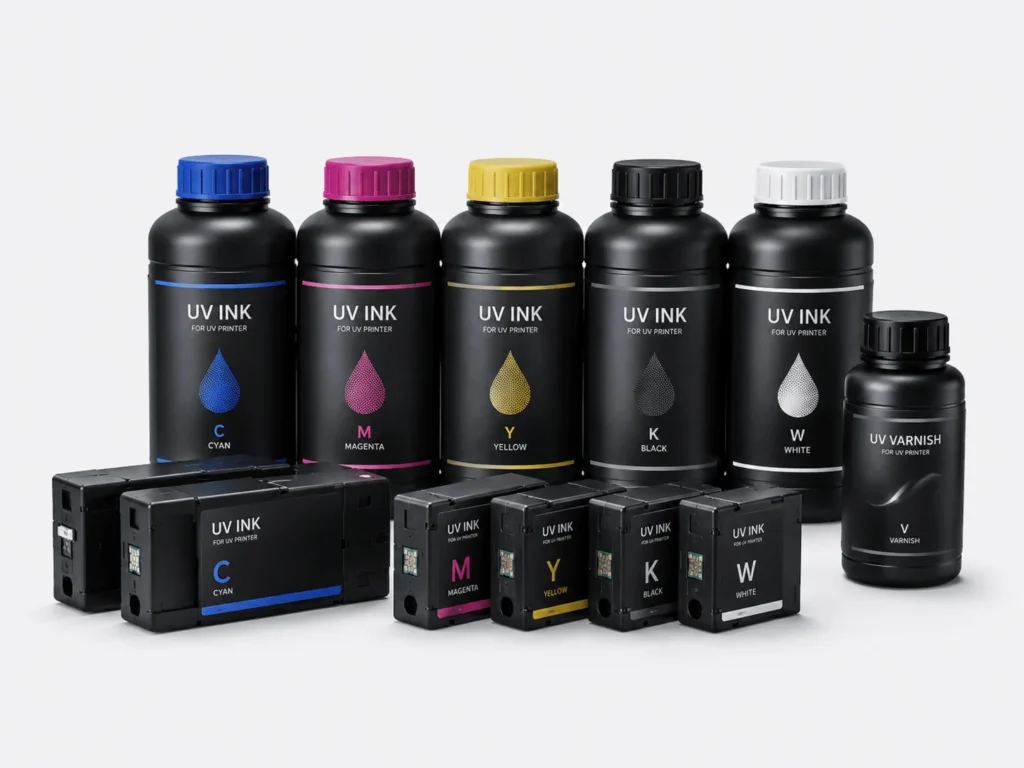
Food packaging materials are diverse, and different products have different packaging requirements. Single-pass printers can be applied to materials such as corrugated cardboard, white cardboard, kraft paper, coated paper, cartons, and some packaging boards, providing stable printing results for food packaging. Whether it’s biscuit boxes, beverage cartons, snack gift boxes, frozen food packaging, or fruit transport cartons, digital printing can be completed according to the characteristics of different products. With suitable UV inks and processing techniques, the packaging surface maintains excellent color performance and abrasion resistance, making it more suitable for transportation, warehousing, and sales.
Automated Production Helps Enterprises Improve Packaging Efficiency
The modern food packaging industry increasingly values automated production capabilities. Single-pass printers can connect with automatic conveyor equipment, die-cutting equipment, folding equipment, and packaging production lines to achieve continuous processing. The equipment adopts an intelligent control system that can complete image management, printing parameter settings, production task switching, and operational status monitoring, reducing manual operation and improving equipment utilization. Continuous production not only shortens packaging processing time but also reduces labor input, improves product consistency, and establishes a more stable and efficient production system for food packaging companies.
What Value Does Automated Production Offer?
Intelligent configuration can improve the operating efficiency of the entire production line.
- Supports continuous, uninterrupted printing.
- Automatically identifies production tasks.
- Reduces manual adjustments.
- Improves packaging consistency.
- Reduces material waste.
- Facilitates digital production management.
Continuously improving automation capabilities enable companies to more easily complete packaging orders of different specifications, improving overall production efficiency.
Single-Pass Printers Facilitate the Continuous Upgrading of the Food Packaging Industry
As consumers increasingly value product appearance and brand experience, food packaging has become an important window for companies to showcase their brand image. Single-pass printers not only meet the needs of mass production but are also suitable for different production modes such as short-run packaging, holiday gift boxes, promotional packaging, and new product trial production. Digital inkjet printing technology allows for more flexible packaging design updates, enabling rapid response to market changes and helping companies shorten product launch times. At the same time, high efficiency, high quality, and automated production capabilities bring a more stable processing experience to the food packaging industry. In the future, as digital printing technology continues to mature, single-pass printers will play an even more important role in food packaging production, providing enterprises with efficient, high-quality, and intelligent packaging solutions, further enhancing brand competitiveness and market responsiveness.