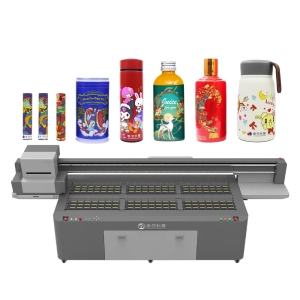
3D relief printing, relying on the high-precision inkjet and rapid curing capabilities of UV printers, transforms flat images into three-dimensional structures with realistic tactile feedback. With continuous upgrades in digital control and material systems, this technology is expanding from a single decorative process to multiple links in the industrial chain, bringing significant changes to product design, production methods, and commercial expression.
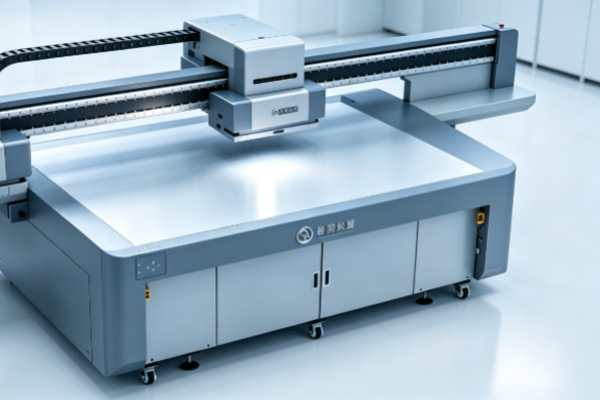
Working Principle and Three-Dimensional Forming Logic
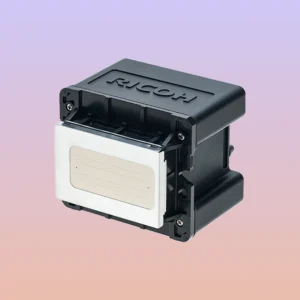
The core of 3D relief printing lies in creating height differences through the stacking of multiple layers of UV ink, followed by instant curing with ultraviolet light, allowing the pattern to maintain a stable structure for a short period. The precision of the printhead control system directly affects the texture detail, and the layering between layers determines the final three-dimensional sense of depth.
In actual operation, key steps include:
- Image layering processing, breaking down the planar design into different height information
- Precise control of ink droplets to achieve thickness variations in different areas
- Simultaneous UV curing to prevent structural collapse
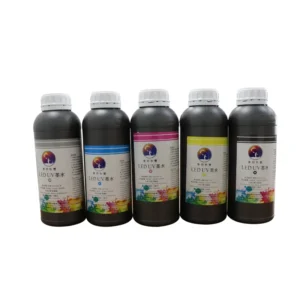
- Secondary surface strengthening treatment to improve wear resistance and tactile consistency
This process allows complex textures to be directly driven by digital files, eliminating the need for traditional molds or engraving processes.
Value Changes Brought About by Industrial Applications
3D relief printing is changing traditional manufacturing and design expression methods, shifting products from a single visual presentation to a dual experience of “visual + tactile.” Enterprises gain more space in brand expression and product differentiation.
Typical values are reflected in:
- Significantly improved product visual recognition
- Reduced costs for small-batch customization
- Shortened design iteration cycle
- Easier to bring personalized products to market
In a highly competitive market environment, this technology adds higher added value to products, freeing designs from the limitations of traditional processes.
Industry Production Advantages and Efficiency Improvements
Compared to traditional embossing, mold forming, or hand carving, 3D relief printing excels in production efficiency and flexibility. Digital control reduces human intervention, making the production process more stable. Specific advantages include:
- Complex relief structures can be achieved without mold making.
- Production instructions can be directly output from digital files.
- Batch and customized production can be freely switched.
- Higher production consistency and smaller errors.
In terms of delivery cycle, the process from design to finished product is significantly compressed, enabling companies to respond to market demands more quickly.
Cross-industry Expansion of Application Scenarios
3D relief printing has entered multiple industrial chains and formed unique application models in different fields.
Main applications include:
- Packaging industry: Brand logo relief, improving visual impact and anti-counterfeiting capabilities.
- Home decoration: Wall panels and decorative panels present the realistic tactile feel of stone, wood grain, leather, etc.
- Consumer electronics: Personalized texture design for shells and accessories.
- Art and cultural creation: Replicating sculptures and artworks, reducing production costs.
- Advertising signage: Enhancing display effects and long-distance recognition capabilities.
These applications are driving the transformation of traditional flat printing to three-dimensional expression.
Evolution of Equipment Operation and Usage
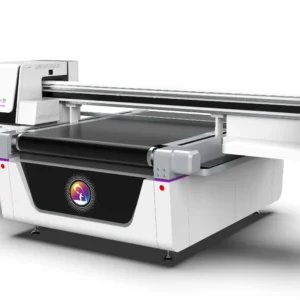
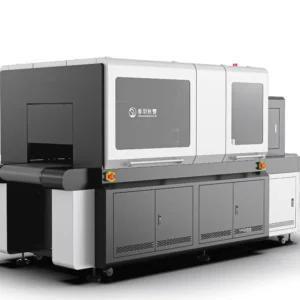
With the increasing intelligence of UV printers, the operation process of 3D relief printing has gradually simplified, with more functions integrated into the software control system, making operation more intuitive.
Typical usage processes include:
- Importing design files and setting the relief height
- Software automatically generates layered printing paths
- Material parameter matching and nozzle calibration
- The equipment executes printing and monitors its status in real time
- After completion, surface curing and quality inspection are performed.
Modern systems also incorporate automatic ink volume adjustment and intelligent correction functions, enhancing the adaptability between different materials. With the lowered operational threshold, small factories and design studios can quickly enter this field.
3D relief printing is reshaping the production logic of multiple industries, causing structural changes from design expression to final product presentation. As UV printing equipment continues to upgrade, the application space of this technology in high-end manufacturing and personalized customization will continue to expand.