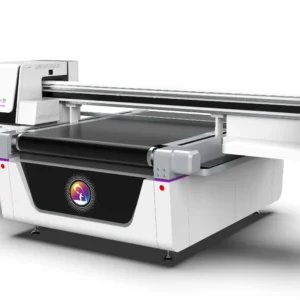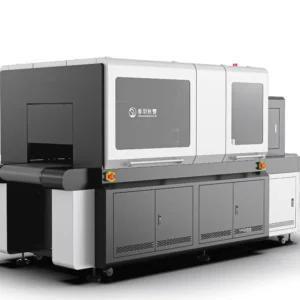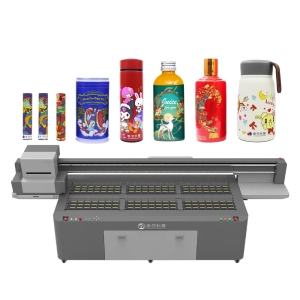
New UV 3D printing equipment relies on a high-precision inkjet system and rapid UV curing technology to enable stable molding of different materials on the same platform. With the increasing demand for industrial design and personalized manufacturing, this type of equipment is gradually expanding its material compatibility, demonstrating stronger compatibility in advertising production, industrial parts, and decorative processing.
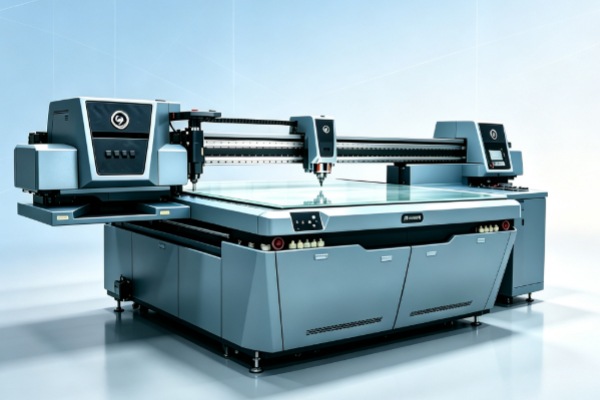
Working Principle and Material Adaptation Mechanism
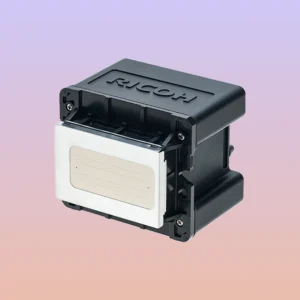
UV 3D printing equipment sprays liquid UV ink layer by layer onto the substrate surface through a nozzle, and uses ultraviolet light to instantly cure it, allowing the material to form a stable structure in a short time. Different materials have different requirements for ink adhesion and curing speed; therefore, the equipment is usually equipped with multiple parameter adjustment systems.
Key technologies in the material adaptation process include:
- Inkjet control system adjusts the adsorption intensity of different materials
- UV light intensity zone control adapts to different thickness requirements
- Automatic identification of material surface tension for printing optimization
- Multi-layer stacking algorithm ensures structural stability
These mechanisms enable the equipment to maintain high consistency in output on different materials such as glass, metal, and plastic.
Practical Value Brought by Material Applications
The expanded range of compatible materials allows UV 3D printing equipment to move beyond traditional planar printing and enter a wider range of industrial manufacturing fields. Different materials give products more expressive forms and enhance added value.
The main values are reflected in:
- Enhancing the surface texture and visual depth of products
- Supporting a unified production process for multiple materials
- Reducing material switching costs in traditional processes
- Expanding the space for customized product development
This capability enables companies to complete the development of multiple product categories in a shorter time and improve market responsiveness.
Equipment Support for Materials and Technological Advantages
The new UV 3D printing equipment is more flexible in terms of material compatibility, adapting to a variety of industrial and consumer-grade materials while maintaining stable printing results.
Common supporting materials include:
- Glass: Used for decorative panels and art products, enhancing transparency and layering.
- Acrylic: Suitable for advertising signs and display products, with strong surface adhesion.
- Metal coating materials: Used for industrial signs and high-end decorative parts.
- PVC and plastic sheets: Widely used in packaging and structural component manufacturing.
- Wood and composite boards: Used for furniture decoration and texture processing.
- Leather materials: Used for bags and high-end consumer goods customization.
These materials, under equipment control, can achieve different thicknesses and texture effects, giving products a richer visual and tactile experience.
Application Scenarios and Industry Expansion
With enhanced material adaptability, the application of UV 3D printing equipment in multiple industries is gradually deepening, forming diversified production models. Typical applications include:
- Advertising industry: light boxes, signs, and 3D logo production
- Home furnishing industry: wall panels, decorative panels, and furniture surface treatment
- Packaging industry: high-end gift boxes and anti-counterfeiting packaging design
- Industrial manufacturing: equipment panel and functional label production
- Cultural and creative design: art reproduction and personalized customization products.
The combination of different materials and industries gives the equipment greater flexibility, enabling it to meet a variety of needs from small-batch customization to mass production.
Usage and Material Adjustment Process
In actual operation, different materials require different printing parameters to ensure output quality and stability. Modern UV 3D printing equipment achieves automated adjustment through software systems, making operation more efficient. The standard operating procedure includes:
- Material identification and parameter preset loading
- Printhead height and ink volume calibration
- UV curing intensity and speed matching
- Layered printing path generation and execution
- Finished product inspection and surface treatment optimization.
For special materials, more precise control can be achieved through custom parameter adjustments, such as increasing the adhesion of the primer, adjusting the curing time, or optimizing the stack thickness. The addition of an intelligent control system makes the material switching process smoother and reduces manual debugging time.
With its broad material compatibility, new UV 3D printing equipment is driving production towards a more flexible and digital direction, and its value continues to increase in multiple industry applications.