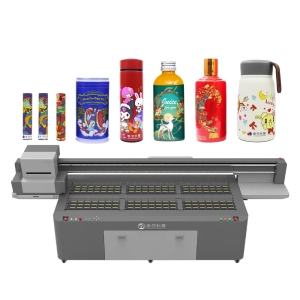
3D texture printing is driving the UV printing industry into a stage of higher precision and stronger expressiveness. With continuous upgrades in inkjet control, material systems, and digital modeling capabilities, surface three-dimensional effects have evolved from simple relief carving to tangible, fine structures and multi-layered light and shadow variations. UV printers have gradually become one of the core devices in this process, especially in industrial manufacturing, decorative design, and personalized customization, demonstrating continuously increasing technological vitality.
Improved Precision Resulting from Upgraded Working Principles
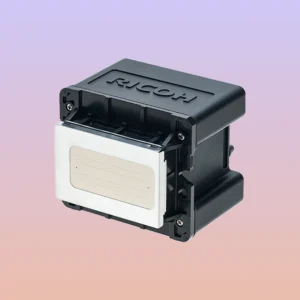
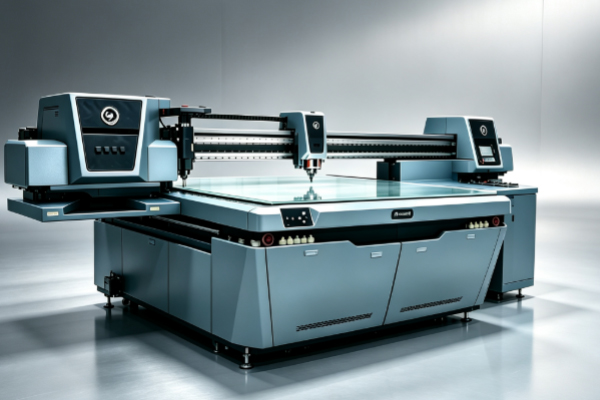
The core of 3D texture printing lies in creating height differences through the layering of UV inks, followed by instantaneous UV curing to achieve stable output of three-dimensional structures. In recent years, improvements in printhead control precision have made droplet size and landing position more stable, thus making micron-level textures a reality.
The development of inkjet control systems has made the printing process more controllable, mainly manifested in:
- High-precision printheads achieve finer droplet distribution
- Multi-channel ink path design enhances layer stacking capabilities
- Software algorithm optimization reduces ink buildup errors
These combined technologies make pattern edges clearer and three-dimensional layer transitions more natural. With the increasing intelligence of control systems, the efficiency of generating complex textures is continuously improving.
Material System Innovation Drives Enhanced Expressiveness
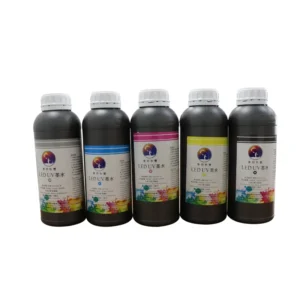
The compatibility of UV inks with printing materials is a crucial factor affecting the effect of 3D textures. Current material research focuses on flexible resins, fast-curing formulations, and high-adhesion structural inks.
Changes in material technology are mainly reflected in the following directions:
- High-elasticity resins enhance the realism of texture tactile feel
- Multi-layer curing inks enhance the stability of three-dimensional stacking
- Weather-resistant materials extend the outdoor use period
These material advancements allow printing effects to extend beyond the visual level to include tactile experience, making patterns closer to realistic engraving or embossing effects. For the decorative and industrial signage fields, this upgrade significantly enhances the added value of products.
Advantages and Improved Production Efficiency
3D texture printing demonstrates strong advantages in both production efficiency and visual performance. Compared to traditional embossing or mold processes, it offers greater flexibility and a wider range of applications. In practical applications, this manifests as follows:
- Complex 3D patterns can be created without plate making.
- Digital control reduces manual intervention.
- Significantly reduced costs for small-batch customization.
Furthermore, in terms of efficiency, the fast UV curing speed makes continuous production possible. The improved ability to process multiple product categories makes the equipment more competitive in commercial production. The cycle from design to finished product is also significantly shortened, making it more suitable for rapidly changing market demands.
Expanding Application Scenarios
With the maturity of the technology, 3D texture printing is no longer limited to traditional flat decoration but is penetrating more industries.
Typical applications include:
- Surface texture design for home decoration materials, such as wood grain, stone grain, and leather effects.
- Personalized customization of consumer electronics casings to improve product recognition.
- Anti-counterfeiting and brand visual enhancement in the packaging industry.
- Art reproduction and creative design output.
These applications have high requirements for detail, driving continuous optimization of equipment in terms of resolution and material compatibility. Especially in the field of brand packaging, 3D textures have become an important means of enhancing visual impact.
Optimization Directions for Usage and Operation Processes
At the equipment operation level, 3D texture printing is evolving towards greater intelligence and simplified processes. The user interface is gradually shifting from professional software to graphical control systems, lowering the barrier to entry.
Typical operation processes include:
- Importing design files and setting texture height layers
- Automatically generating inkjet paths and curing strategies
- Equipment calibration and material parameter matching
- Real-time monitoring of printing status and error correction
The core of process optimization lies in reducing manual adjustments and improving consistent output capabilities. With the addition of AI-assisted typesetting and automatic color management systems, operational stability is further enhanced, making mass production more reliable.
3D texture printing technology is continuously integrating high-precision control, materials science, and digital production systems, propelling UV printers up the industrial manufacturing chain. As application boundaries continue to expand, this technology will demonstrate long-term growth potential in more high-value-added fields.