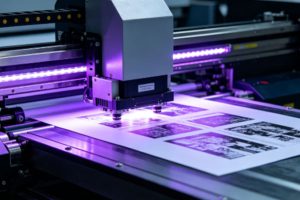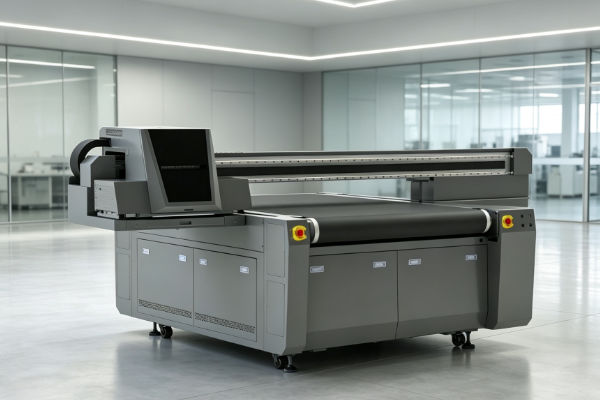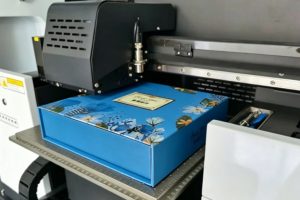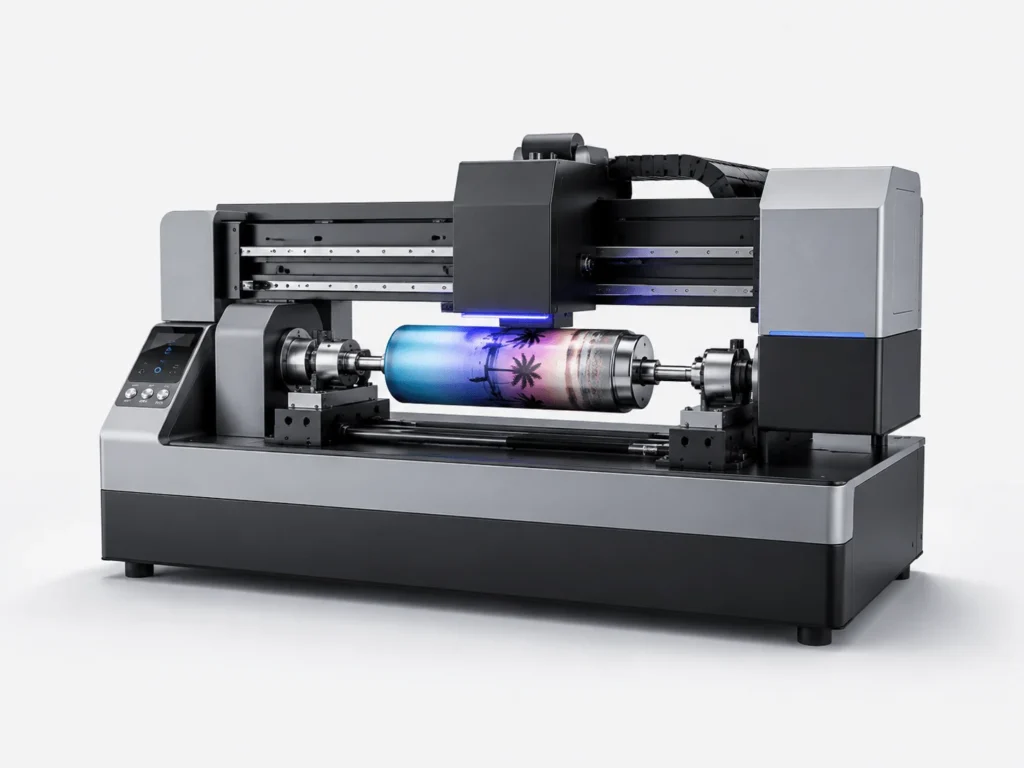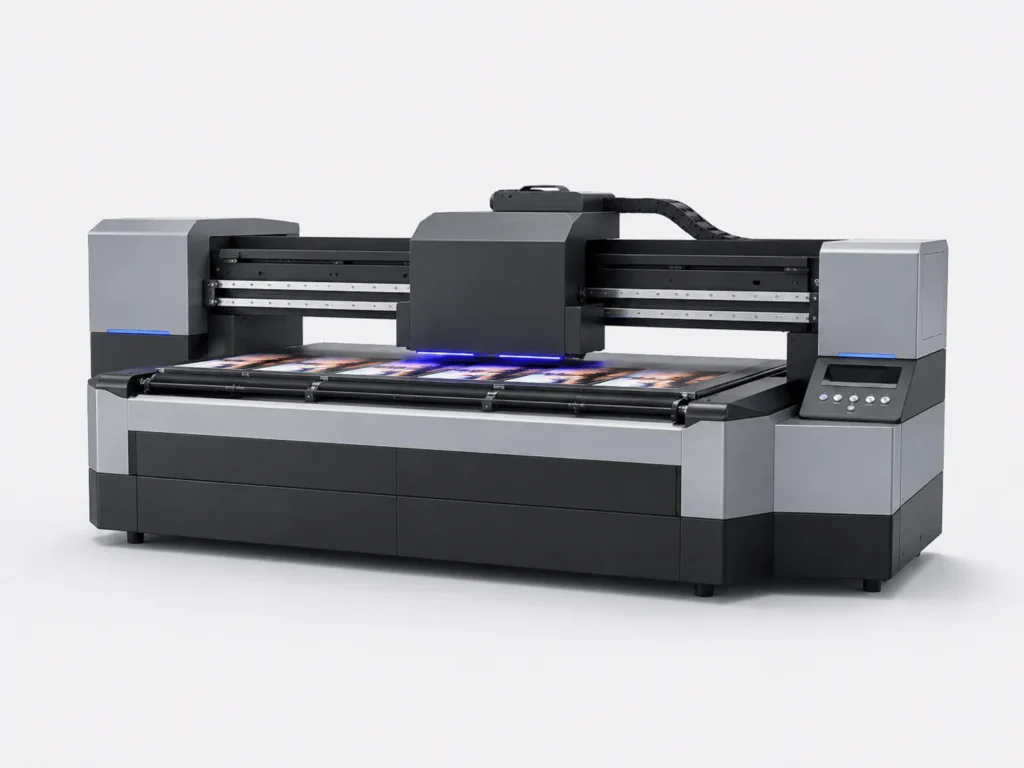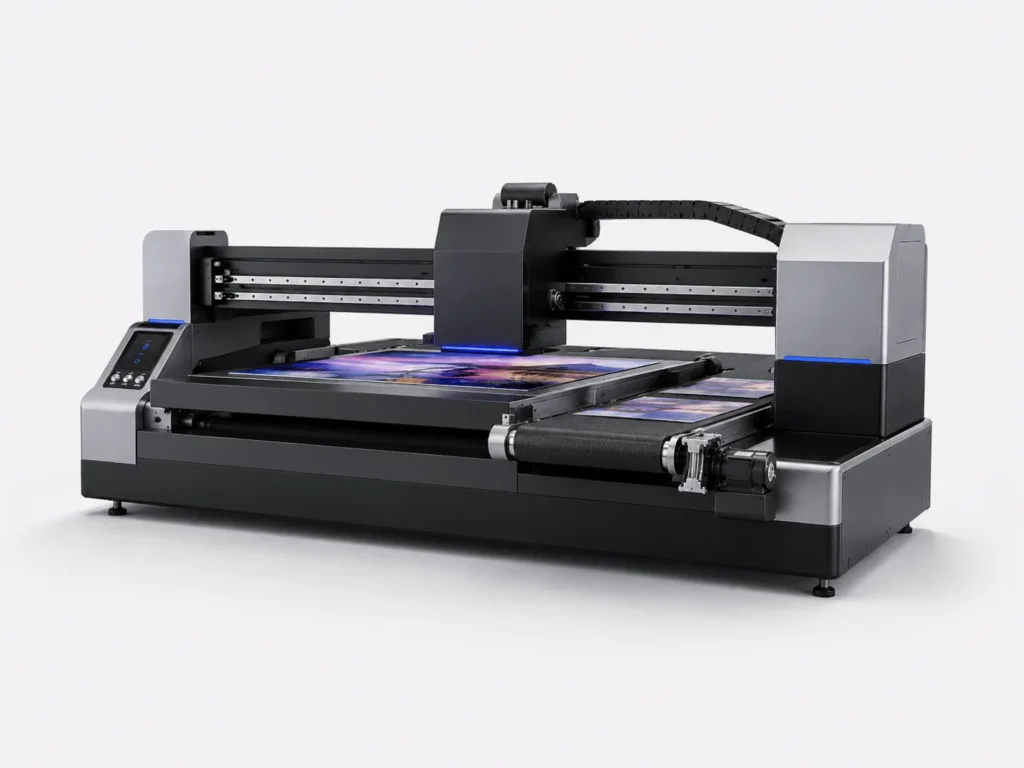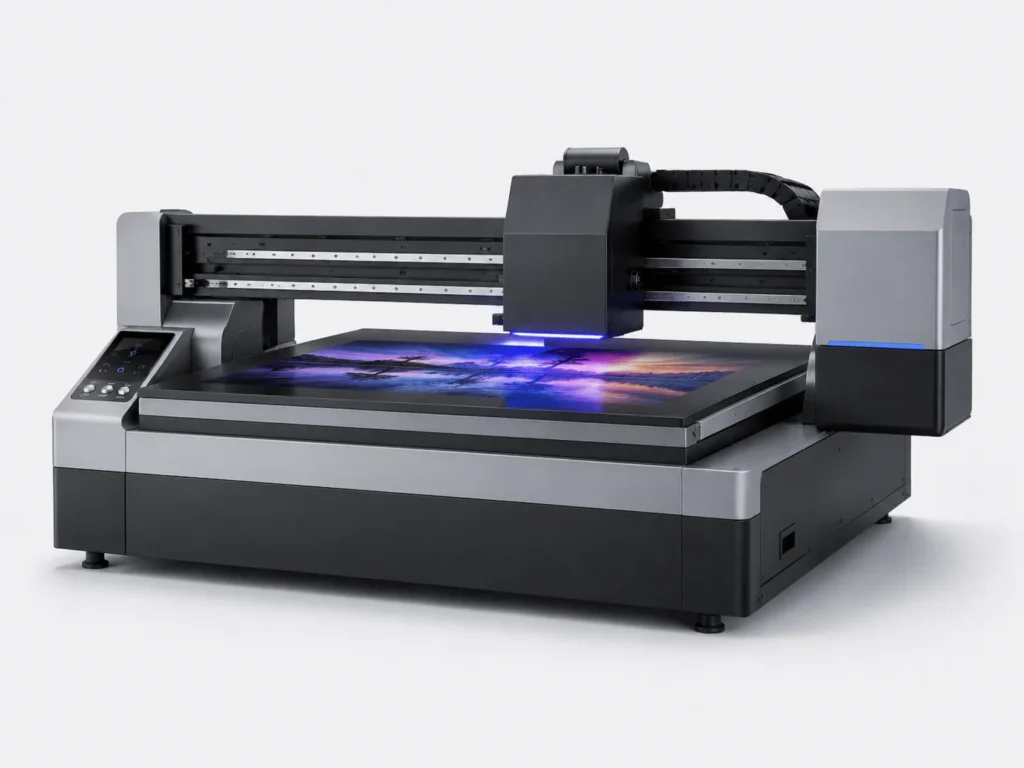
Acrylic material is widely used in advertising signs, display fixtures, appliance panels, craft gifts, and industrial decoration because of its high transparency, smooth surface, and excellent texture. As demand for personalized customization continues to grow, more and more companies are paying attention to the compatibility between acrylic and UV conveyor printers. In fact, acrylic is not only suitable for UV printing, but also shows clear advantages in high-definition image output, batch production, and diversified applications. With a UV conveyor printer, businesses can directly print high-precision graphics on acrylic surfaces, reduce plate-making steps, improve efficiency and added value, and more easily meet market demands for small-batch, multi-style, and fast-delivery production.
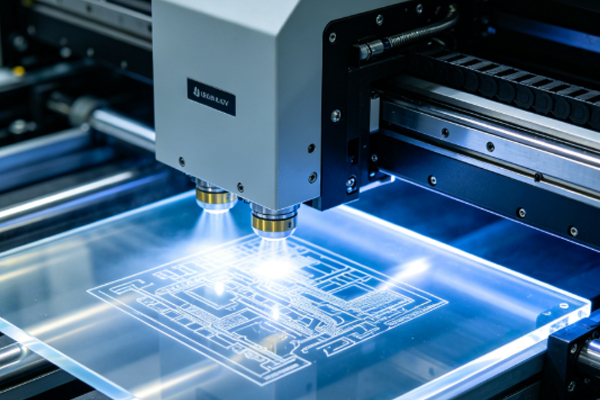
Why Acrylic Material Is Suitable for UV Conveyor Printers
The material characteristics of acrylic are highly compatible with the process requirements of UV digital printing, making it widely used in actual production.
Smooth Surface, Easy Ink Adhesion
Acrylic sheets are manufactured with high precision and have a smooth, even surface, which provides a solid foundation for stable UV ink adhesion.
- During printing, the ink layer spreads more evenly and is less likely to cause local ink buildup or ink interruption.
- Graphic edges remain sharper, making it especially suitable for text, logos, and fine lines.
- After printing, it is less likely to experience diffusion, blurring, or color bleeding, helping maintain image integrity.
- In batch production, it is easier to maintain consistent visual effects and reduce quality fluctuations caused by material differences.
A smooth material surface helps printing results remain more stable, especially for products that require high detail and for applications that need long-term display.
Rich Material Types and Strong Compatibility
Acrylic is available not only in transparent sheets, but also in colored, mirrored, and frosted versions, meeting different visual style requirements. It is suitable for various thickness specifications, compatible with decorative and functional products, and easy to expand into more application scenarios.
- Transparent acrylic is suitable for display products, lighting products, and items with strong visual layering.
- Colored acrylic can directly enhance image expression, making it ideal for branding and decorative design.
- Mirrored and frosted acrylic are more suitable for high-end displays, artistic decoration, and special effect presentation.
- Different thicknesses and specifications can be flexibly adjusted according to equipment parameters, making it easier for businesses to expand their product lines.
This material compatibility makes acrylic a very common substrate in UV digital printing and gives businesses greater freedom in design and production.
Core Advantages of UV Conveyor Printers in Acrylic Processing
In acrylic processing, UV conveyor printers not only improve image performance but also help businesses optimize production workflows.
High-Definition Output Enhances Product Grade
UV conveyor printers can achieve high-resolution image output on acrylic surfaces, meeting modern market demands for visual quality.
- Colors are more vivid and saturated, better restoring the main visual elements in brand designs.
- Small text and fine lines are clearer, maintaining high readability even for complex information.
- Supports complex patterns, gradient effects, and multi-layered image presentation, making it suitable for high-end customization.
- The overall image is closer to photo-quality, significantly enhancing the product’s visual grade and display value.
For brand display products, high-definition printing can greatly increase visual appeal and professionalism, while also helping create differentiated competitive advantages in the end market.
No Plate-Making Required, More Flexible Production
Traditional printing methods are costly for small-batch and multi-style orders, while UV printing is better suited to quickly responding to market changes.
- Design modifications are easier, allowing businesses to quickly adjust graphics according to customer needs.
- Proofing cycles are significantly shortened, helping new products enter the market and be validated faster.
- Small-batch orders become more cost-effective, avoiding the upfront investment pressure of traditional plate-making.
- Suitable for personalized customization, especially for multi-version, multi-specification, and short-lead-time projects.
This flexibility enables businesses to complete delivery faster and control costs when facing diverse demands, making it especially suitable for today’s market environment that emphasizes efficiency and customization.
Which Industries Use Acrylic UV Printing
Acrylic has a wide range of applications, and UV printing further expands its value across multiple industries.
Advertising Display and Signage Industry
Acrylic is a very common material in advertising production. When combined with UV printing, its visual performance is further enhanced, and it is widely used in shopping mall directional signs, corporate image display boards, lightbox panels, and exhibition promotional materials.
- High-definition graphics combined with the transparent texture of acrylic enhance the depth and dimensionality of the image.
- In shopping malls, exhibition halls, and retail environments, printed acrylic products are more likely to attract consumer attention.
- Corporate logos and signage systems printed with UV technology can better reflect brand consistency and a professional image.
- Suitable for long-term display advertising materials, balancing aesthetics and durability.
High-definition printing not only improves the visual appeal of acrylic products, but also makes advertising displays more professional and impactful.
Home and Industrial Product Fields
With the upgrade of industrial design, acrylic is increasingly used in home and industrial products, especially in smart appliance control panels, industrial equipment operation panels, smart home decorative parts, and personalized display and decorative products.
- These products require both refined appearance and durable graphics, which places higher demands on printing processes.
- UV printing can improve surface wear resistance and usage stability while maintaining aesthetic quality.
- For products that are frequently touched or used for long periods, the printed graphics can still remain clear.
- As smart products become more widespread, acrylic UV printing has also become an important way to increase product added value.
These applications not only reflect the functionality of acrylic material, but also demonstrate the practical value of UV printing in industrial manufacturing.
How to Improve Acrylic UV Printing Quality
To make acrylic printing more stable and durable, equipment performance is important, but process details are equally critical.
Proper Material Pre-Treatment
Surface treatment before printing directly affects the final result and should not be overlooked.
- Remove dust and oil stains to prevent impurities from affecting ink adhesion and image integrity.
- Keep the material dry to avoid unstable print layers caused by moisture residue.
- Avoid surface scratches, since even minor damage may become more visible on the finished product.
- Improve ink adhesion stability so that the graphics remain stronger and more durable during later use.
Good pre-treatment can reduce printing defects, improve finished product yield, and help businesses lower rework and waste costs.
Set Equipment Parameters Properly
Different acrylic materials require slightly different printing parameters, which should be adjusted according to actual conditions.
- Control the printhead height to ensure an appropriate inkjet distance and avoid affecting image precision.
- Optimize printing speed to find a better balance between efficiency and quality.
- Adjust ink output so that color saturation and surface flatness reach the ideal state.
- Match curing energy to ensure the ink layer cures quickly and stably while avoiding problems caused by excessive exposure.
Only with proper parameter settings can printing precision, adhesion, and production efficiency be balanced, making stable batch production more achievable for businesses.
Acrylic material, with its excellent surface properties and broad application value, is indeed very suitable for processing with UV conveyor printers. Whether for advertising signs, appliance panels, or personalized custom products, UV printing helps businesses achieve high-precision, high-efficiency, and high-value production. For companies looking to improve product competitiveness, choosing the right equipment and process solution is especially important. Springyprinter specializes in the R&D and manufacturing of industrial UV digital printing equipment and can provide customers with professional acrylic UV printing solutions and technical support services.