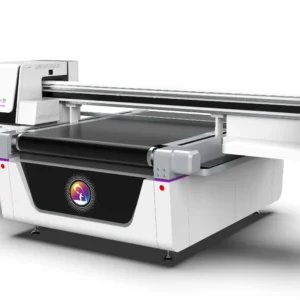
When it comes to upgrading the packaging of glass cosmetic bottles, many brands first focus on design style. However, what truly determines the final presentation quality is actually the stability and precision of the printing process. In the high-end cosmetics industry, glass bottles are not only product containers but also an important medium for brand visual expression. With the trend toward personalization, small-batch production, and rapid iteration, traditional screen printing and labeling processes are gradually unable to meet market demands. As a result, the glass cosmetic bottle UV color printing solution based on the UV flatbed printer is becoming an important direction for industry upgrading.
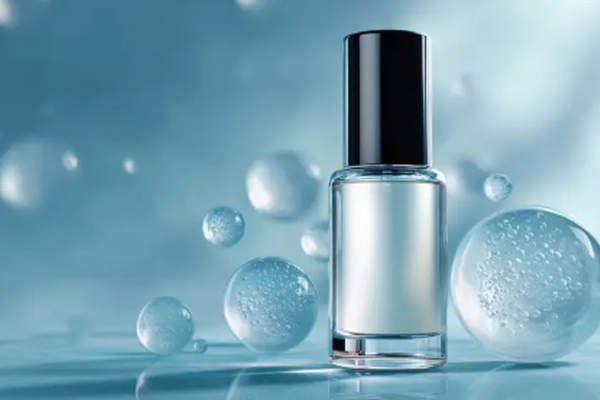
Printing Challenges Caused by Glass Surface Characteristics
As a typical non-porous material, glass has a smooth and dense surface structure, which makes it difficult for ink to form a stable bond layer. In cosmetic packaging production, this material characteristic not only affects the initial printing result but also continuously impacts transportation, friction, and long-term display performance. If the process is not properly controlled, issues such as unstable patterns, fading colors, or partial peeling may occur.
Adhesion Issues Caused by Material Structure
In actual production, the dense structure of glass makes it difficult for ink to adhere firmly, which is one of the core technical challenges in UV printing on glass bottles.
Common impacts include:
- Insufficient ink adhesion, leading to fading or edge peeling
- Gradual color weakening after long-term cleaning or friction
- Uneven printing on curved surfaces
- High dependence on primer or surface pretreatment processes
These issues can directly affect product appearance consistency and brand visual stability. In the high-end cosmetics industry, packaging quality often directly influences consumers’ perception of product value.
UV Flatbed Printer Color Output Capabilities for Glass Bottles
In the cosmetics industry, packaging is not only a protective function but also a key carrier of brand visual identity. Consumers often judge product quality through first visual impression, making color accuracy and detail reproduction extremely important. Glass bottles, as high-end packaging materials, require printing solutions that balance aesthetics and stability.
High-Precision Color and Detail Reproduction
In practical applications, color performance directly affects product attractiveness in the market and is a key factor in brand differentiation.
Key advantages include:
- High-resolution output with clear detail reproduction
- Smooth gradient transitions suitable for complex designs
- Multi-layer UV printing for enhanced 3D visual effects
- High color consistency suitable for standardized mass production
These capabilities make glass cosmetic bottles more visually refined, increasing shelf appeal and brand value.
Flexible Production and Fast Switching Capability
The cosmetics industry evolves rapidly, requiring high production flexibility. Traditional processes are inefficient when dealing with frequent design changes and small-batch orders.
Key features include:
- No plate-making required; direct printing
- Fast switching between multiple SKUs
- Efficient handling of small-batch production
- Proofing and mass production on the same equipment
Batch Consistency and Stable Output
In large-scale production, consistency is more important than individual output quality.
Key performance includes:
- Reduced human error through automation
- High color consistency between batches
- UV curing ensures long-term stability
- Suitable for standardized mass production
Flexibility Value in the Cosmetics Industry
As competition intensifies, the cosmetics industry increasingly relies on rapid iteration and multi-SKU strategies, requiring more flexible packaging production.
Support for Fast Iteration and Diversified Production
Key advantages include:
- Quick switching between different designs
- Support for limited editions and co-branded products
- Faster product launch cycles
- Shorter sampling and prototyping time
Lower Overall Production Costs
Flexible production also optimizes cost structure:
- Reduced plate-making and mold costs
- Lower inventory pressure
- Improved profitability for small-batch orders
- Reduced waste rate
Faster Market Response
Speed becomes a key competitive advantage:
- Faster product launches
- More flexible design adjustments
- More controllable marketing cycles
- More efficient supply chain response
Comparison Table: Traditional vs UV Printing
| Dimension | Traditional Screen Printing/Labeling | UV Flatbed Printing Solution |
| Plate-making | Required | Not required |
| Order Type | Large batch | Small batch + multi-SKU |
| Color Performance | Moderate | High-definition color + gradients |
| Adhesion Stability | Medium | UV-cured high adhesion |
| Flexibility | Low | Very high |
| Delivery Speed | Slow | Fast response |
| Cost Structure | High upfront cost | On-demand flexible cost |
Stability Advantages of UV Curing Technology on Glass Bottles
UV curing technology uses ultraviolet light to instantly solidify ink, improving adhesion and durability on glass surfaces.
Improved Adhesion and Durability
Key advantages:
- Fast UV curing process
- White ink base improves color saturation
- Enhanced scratch resistance
- Strong resistance to alcohol and cleaning agents
Optimized Production Workflow
- Eliminates plate-making steps
- Unified proofing and production process
- Reduced manual intervention
- Higher production efficiency
Long-Term Visual Stability
- Long-lasting color retention
- Clear and stable patterns
- Strong wear resistance
- Adaptable to various environments
In the context of the cosmetics industry’s shift toward high-end and personalized packaging, the glass cosmetic bottle UV color printing solution is becoming a key technology for packaging upgrades. It not only enhances visual performance but also optimizes production efficiency and cost structure, enabling brands to respond more quickly to market changes and strengthen competitiveness. SpringYprinter provides stable and efficient UV flatbed printer solutions for the cosmetics industry.