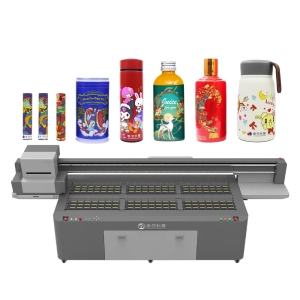
During the UV printing process, many customers encounter a common question: why do the same printer and ink produce different results on different materials? Some surfaces show bright colors and strong adhesion, while others may experience issues such as ink peeling or poor bonding. The reason is that the surface characteristics of each material directly affect printing performance. Glass, metal, plastic, wood, and other materials differ in hardness, smoothness, and surface structure. Proper preparation before printing helps ink adhere more effectively and reduces potential problems during production.
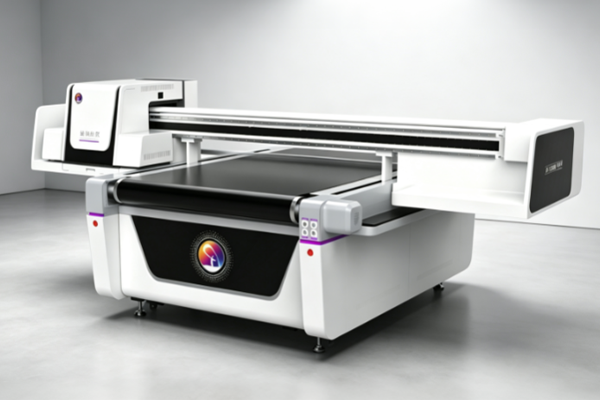
Why Is Material Pre-Treatment Important Before UV Printing?
Many people think UV printing simply means applying graphics directly onto a product surface. In actual production, however, material preparation plays an important role in the final result. Different materials may have dust, oil stains, processing residues, or surfaces that do not bond easily with ink. Without proper preparation, even a high-performance printer may not achieve the expected quality.
Pre-printing preparation usually includes:
- Removing surface contaminants to improve ink adhesion.
- Checking the material condition before printing.
- Adjusting printing parameters according to material characteristics.
- Testing color performance and adhesion in advance.
Proper pre-treatment is not only about making images clearer. It also improves long-term printing stability. For mass production, testing materials beforehand can reduce rework and make the entire production process smoother.
What Should Be Considered Before Printing on Glass and Acrylic Materials?
Glass and acrylic are two common rigid materials used in UV printing. Their smooth surfaces allow them to reproduce detailed patterns and rich colors effectively. However, because their surfaces are highly polished, ink adhesion is an important factor that needs attention during production.
Before printing on these materials, it is usually necessary to:
- Remove dust, fingerprints, and oil from the surface.
- Test the bonding effect between ink and material.
- Select suitable treatment methods based on surface conditions.
- Adjust printing layers to improve graphic performance.
The biggest advantage of rigid materials is their good stability, making them suitable for display boards, decorative panels, and packaging components. However, different materials still have different characteristics. For example, glass and acrylic surfaces do not behave exactly the same, so treatment methods should be adjusted based on the actual product.
How Should Metal and Plastic Materials Be Prepared for UV Printing?
Metal and plastic materials are widely used in industrial products, packaging, and consumer goods. However, these materials also have their own challenges during UV printing. Metal surfaces are usually dense, while some plastics may have poor ink adhesion. Without proper preparation, the printed graphics may not remain stable.
During production, pay attention to:
- Removing oil and processing residues from metal surfaces.
- Checking whether plastic surfaces contain mold release agents.
- Confirming compatibility between the material and UV ink.
- Adjusting printing processes according to material properties.
After proper treatment, metal materials can achieve a strong premium appearance and are suitable for signs, equipment panels, and other products. Plastic materials vary greatly depending on their type, so sample testing before production is a more reliable approach.
What Preparations Are Needed for Special Materials Like Wood and Leather?
Besides common boards and industrial materials, special materials such as wood and leather are also increasingly used in UV printing. These materials have unique textures and surfaces, allowing printing to create more creative product designs. However, because their structures are more complex, preparation requires more attention.
Before printing, it is recommended to:
- Remove surface dust and keep the material clean.
- Improve rough areas to increase printing stability.
- Adjust ink volume based on material absorption characteristics.
The advantage of wood and leather is that they provide richer visual effects. Wooden products can combine natural grain with printed designs, while leather products can gain more personalized appearances. However, these materials are more affected by their natural characteristics, so testing before production is especially important.
How Can Different Materials Achieve Better UV Printing Results?
Achieving high-quality UV printing depends not only on the printer and ink but also on proper material preparation. Different products have different requirements. Some focus more on color performance, while others require stronger durability and long-term stability.
To improve printing results, businesses can:
- Choose suitable preparation methods based on material properties.
- Conduct sample tests before mass production.
- Adjust printing settings according to product requirements.
- Consider how the usage environment may affect the printed surface.
The better the material preparation, the more stable the printing process will be. For products that require long-term use or large-scale production, confirming material conditions in advance can reduce uncertainty and improve overall product quality.
UV printing can be applied to a wide range of materials, including glass, acrylic, metal, plastic, and wood. However, achieving excellent results requires more than simply placing different materials into the printer. Proper cleaning, testing, and process adjustments help ink bond better with surfaces, creating more stable colors and clearer graphics. As demand continues to grow in packaging, advertising, industrial manufacturing, and customized products, effective material pre-treatment has become an important step in improving UV printing quality.