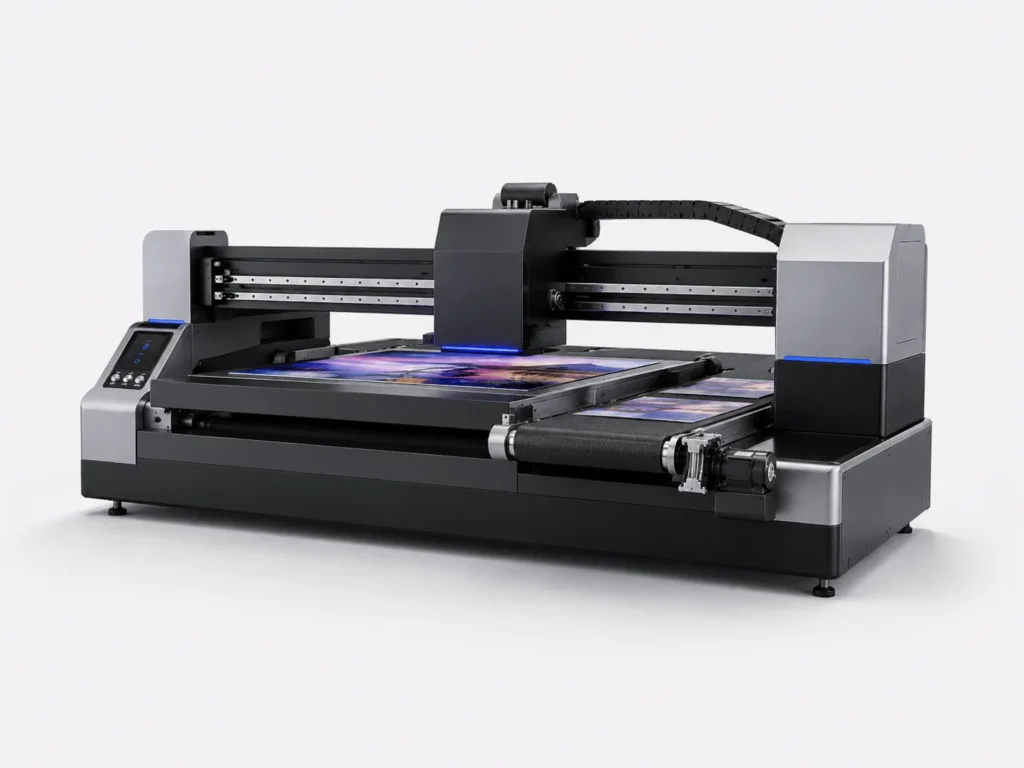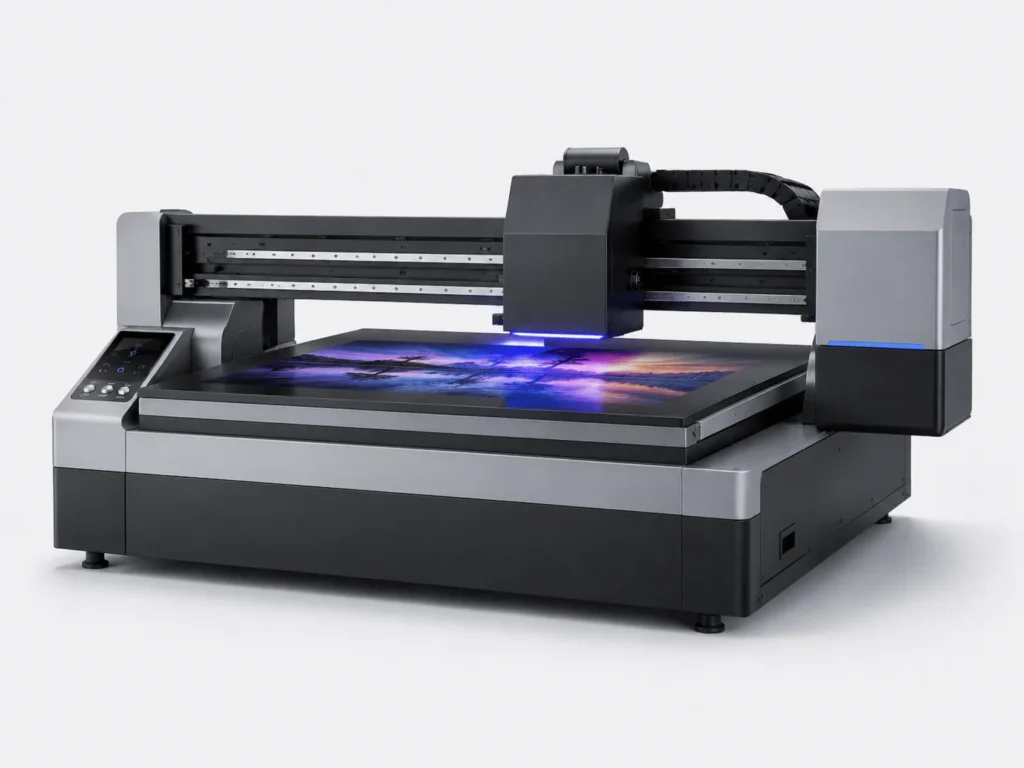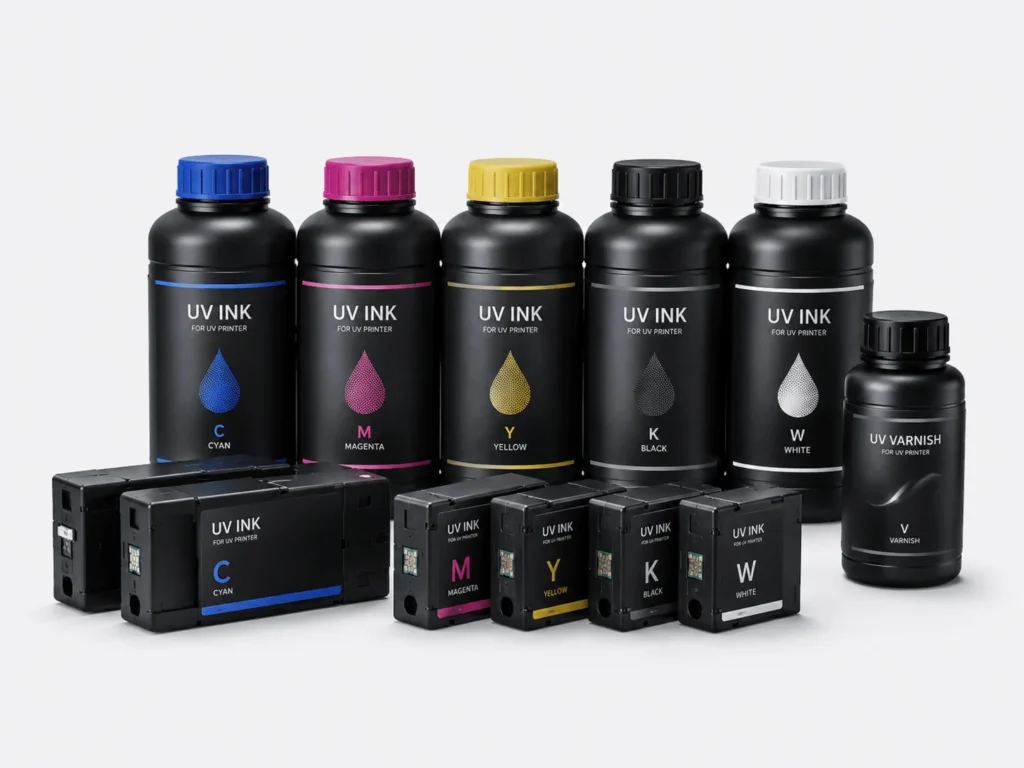
With the continuous development of UV LED printing technology, UV LED ink has been widely used in advertising production, packaging printing, industrial signage, home decoration, craft gifts, and personalized customization industries. Different printing products require different color performances, and a rich variety of ink colors helps printers produce more realistic and vivid images. Today, UV LED inks not only include standard basic colors but also offer white ink, varnish, and some special color options to meet various printing needs.
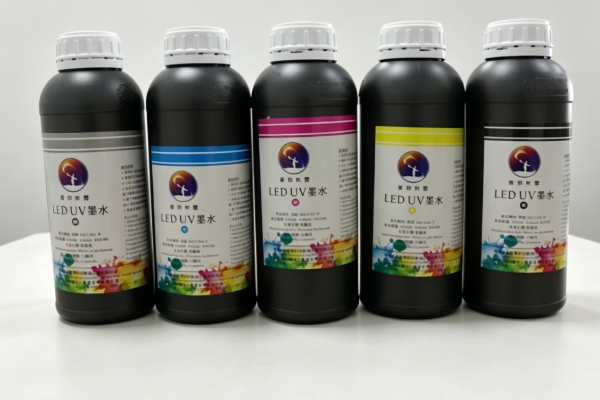
Common Basic Colors of UV LED Ink
CMYK Four-Color Ink
Most UV LED printers use a CMYK four-color printing system, making CMYK inks the most widely used type of UV LED ink.For daily advertising production and graphic printing, these four colors can already meet the vast majority of production needs. CMYK stands for Cyan, Magenta, Yellow, and Black. By controlling the inkjet ratio of different colors, the printer can create a wide range of image colors, including photos, text, gradients, and colorful graphics.This color system is mature, reliable, and capable of excellent color reproduction, making it the standard configuration for most UV LED printing equipment.
White Ink
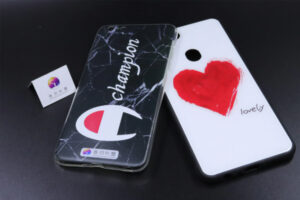
Many printing materials are dark-colored, so CMYK alone may not produce ideal results. In such cases, white ink plays an important role.White ink is usually printed as a base layer to cover black, transparent, colored, or metallic surfaces, increasing the brightness and saturation of subsequent color graphics. In products such as acrylic, glass, wood panels, PVC, phone cases, and metal nameplates, white ink has become one of the most commonly used UV LED ink colors.
Varnish (Clear Ink)
In addition to colored inks, many UV LED printing applications also use varnish to create richer visual effects.Varnish is a transparent ink that does not change the original image color. Instead, it forms a clear protective layer on the surface of the printed graphic. After printing, products can achieve glossy finishes, spot varnish effects, or embossed 3D textures while also improving abrasion resistance and surface texture.Therefore, varnish is widely used in packaging, decorative artwork, craft gifts, and premium display products.
What Special Color Options Are Available?
Light Color Series Inks
To improve image gradation and detail performance, some UV LED printers are equipped with light-color inks.Common examples include Light Cyan and Light Magenta. These inks help create smoother transitions in photos, portraits, skies, and gradient areas, reducing graininess and making images appear more delicate and natural.Such inks are mainly used for high-resolution image output and high-quality art printing.
Specialized Functional Inks
As market demand grows, some special-purpose inks have also become popular.For example, some manufacturers offer high-adhesion inks, high-flexibility inks, and high-weather-resistance inks. Although their colors still belong to the CMYK family, their formulations are optimized for specific materials to achieve better application performance.
Custom Color Inks
Some brand displays, industrial products, and special design projects require strict color consistency, so custom colors are often selected.Certain ink manufacturers can formulate inks according to customer requirements, making printed colors closer to corporate brand colors or product standard colors. These inks are commonly used in premium packaging, brand displays, industrial panels, and special signage, helping improve overall visual consistency.
How to Choose the Right Ink Colors?
Choose According to Printing Material
Different materials affect color appearance, so ink selection should consider both color and substrate.For example, transparent glass and transparent acrylic usually require white ink as a base layer to enhance the visibility of color graphics. Dark-colored materials are also recommended to use a white underlayer, while white PVC boards can often be printed directly with color graphics to improve production efficiency.
Choose According to Product Application
Different products have different color requirements.For ordinary advertising boards, CMYK four-color printing is usually sufficient. For premium decorative paintings, craft gifts, or brand display products, adding white ink and varnish can improve image depth and visual appeal, making products more attractive.
Choose According to Printer Configuration
Not all UV LED printers support every color option.Some printers only support four-color printing, while others support six-color, eight-color, or even more advanced configurations. If the printer does not have a white ink or varnish system, purchasing those inks alone will not enable their use. Therefore, equipment compatibility should be confirmed in advance.
Frequently Asked Questions
Can CMYK Four-Color Ink Print All Colors?
By mixing CMYK colors, printers can produce most colors required for ordinary advertising, photos, and graphic printing.However, special metallic colors, fluorescent colors, or brand-specific spot colors may require dedicated inks or additional printing processes.
Why Is White Ink So Important?
White ink is important not only for printing white graphics but also for serving as an underlayer that increases the brightness of color images.
Especially on transparent and dark materials, white ink is almost indispensable.
Is Varnish Considered a Color?
Although varnish itself is colorless, many users still classify it as part of the UV LED ink family.Its main purpose is to enhance gloss, abrasion resistance, and three-dimensional effects without changing the original image color. Proper use of varnish can make products look more refined and premium.
Choosing UV LED Ink Colors
Proper Combination Improves Print Quality
The available UV LED ink colors can already satisfy most printing requirements.From standard CMYK colors to white ink, varnish, and special colors, each ink has its own purpose. By combining inks according to printing materials, product applications, and printer configurations, businesses can achieve brighter, finer, and more stable printing results while enhancing overall product quality.
Choosing According to Actual Needs Is More Cost-Effective
More colors are not always better.For ordinary advertising production, CMYK four-color printing is usually enough for most orders. For transparent materials, premium decorative products, and industrial signage, adding white ink and varnish can significantly improve visual performance.A reasonable ink configuration not only helps control production costs but also improves printing efficiency.
Today’s UV LED ink market has developed a relatively complete color system. Common configurations include CMYK four-color inks, white ink, and clear varnish, while some high-end printers also support light-color series inks and custom color options.These inks can meet the needs of advertising production, packaging printing, industrial signage, home decoration, and personalized customization across various industries. When selecting inks, businesses should consider printing materials, printer configuration, and product applications together. Properly combining different ink colors can achieve richer color performance while improving product quality, printing efficiency, and customer satisfaction.