As the markets for personalized customization, industrial color printing, and high-end packaging continue to grow rapidly, more and more companies are paying attention to UV flatbed printers. Whether it is cosmetic packaging, craft gifts, advertising signage, furniture decorative panels, or industrial product housings, high-quality graphic printing is required to enhance product competitiveness. Compared with traditional printing methods that require plate making, machine setup, and complex production processes, UV flatbed printers can directly print designs onto material surfaces, enabling rapid production and flexible customization. For many companies preparing to purchase equipment, concerns go beyond print quality—they also want to know what types of UV flatbed printers are available, what products they are suitable for, and what practical benefits they can provide.
What Types of UV Flatbed Printers Are Available?
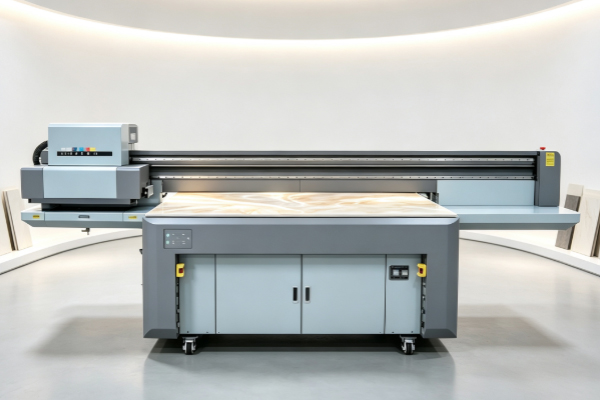
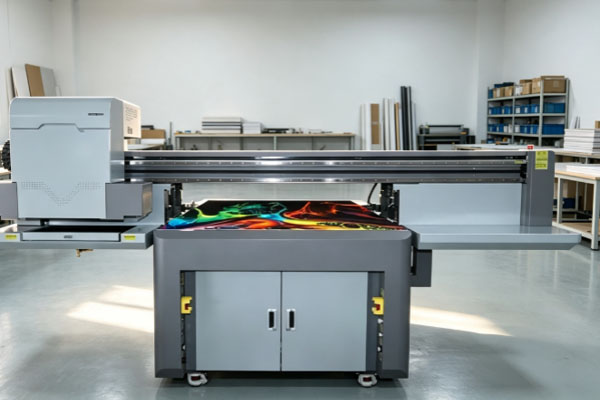
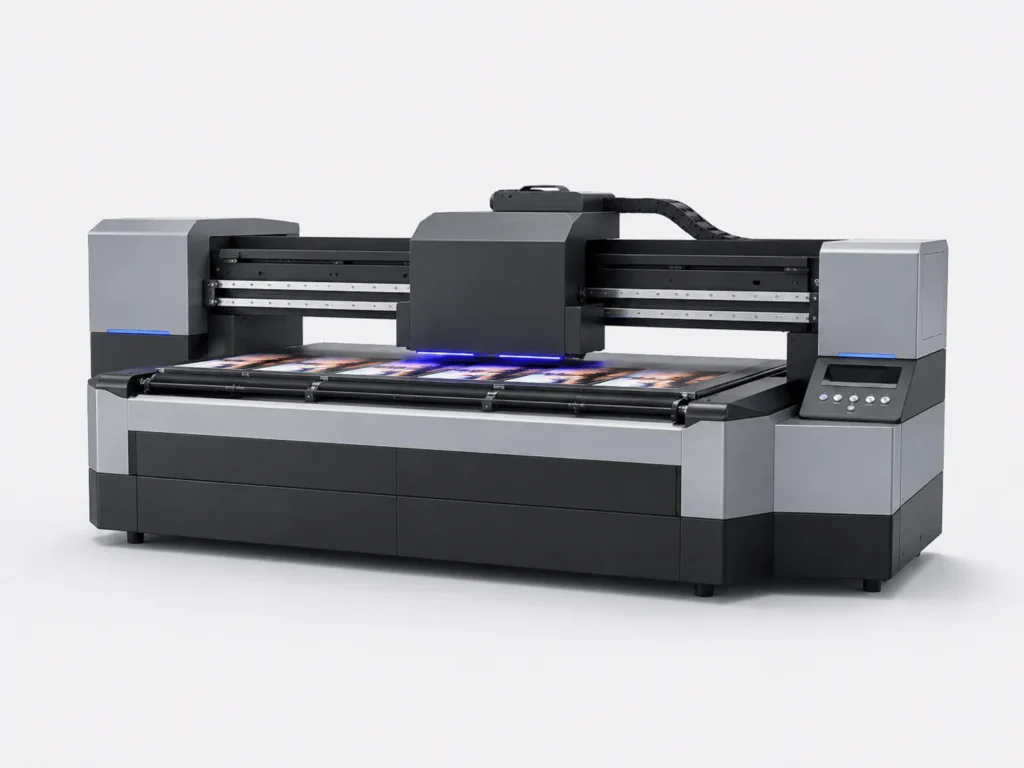
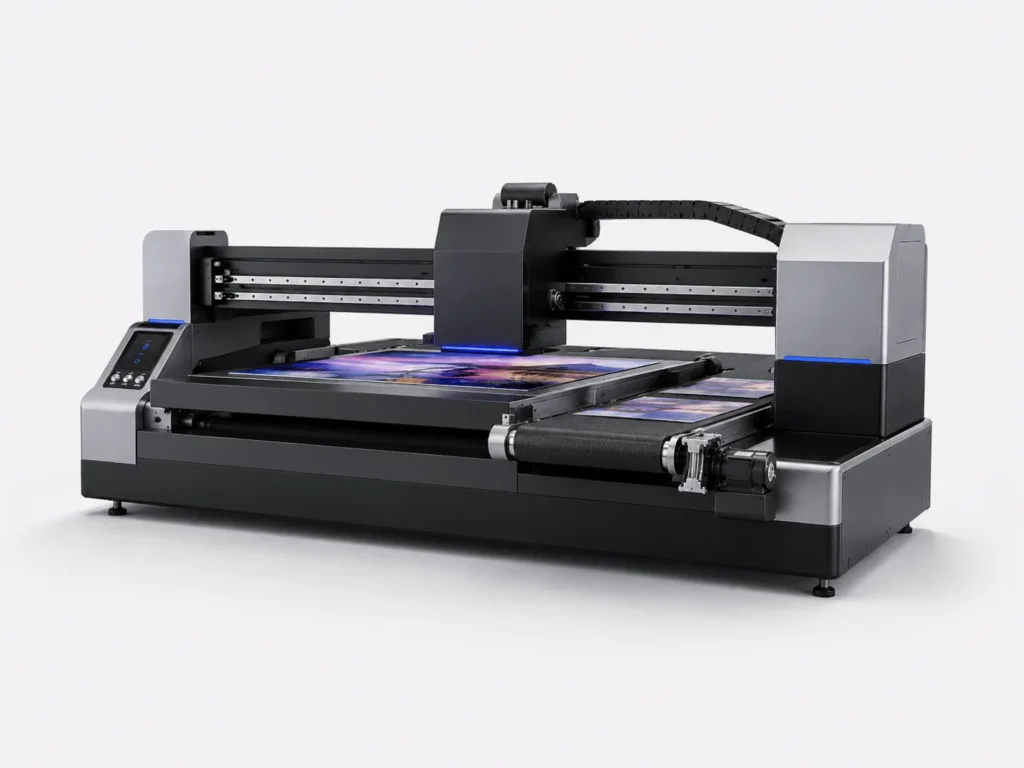
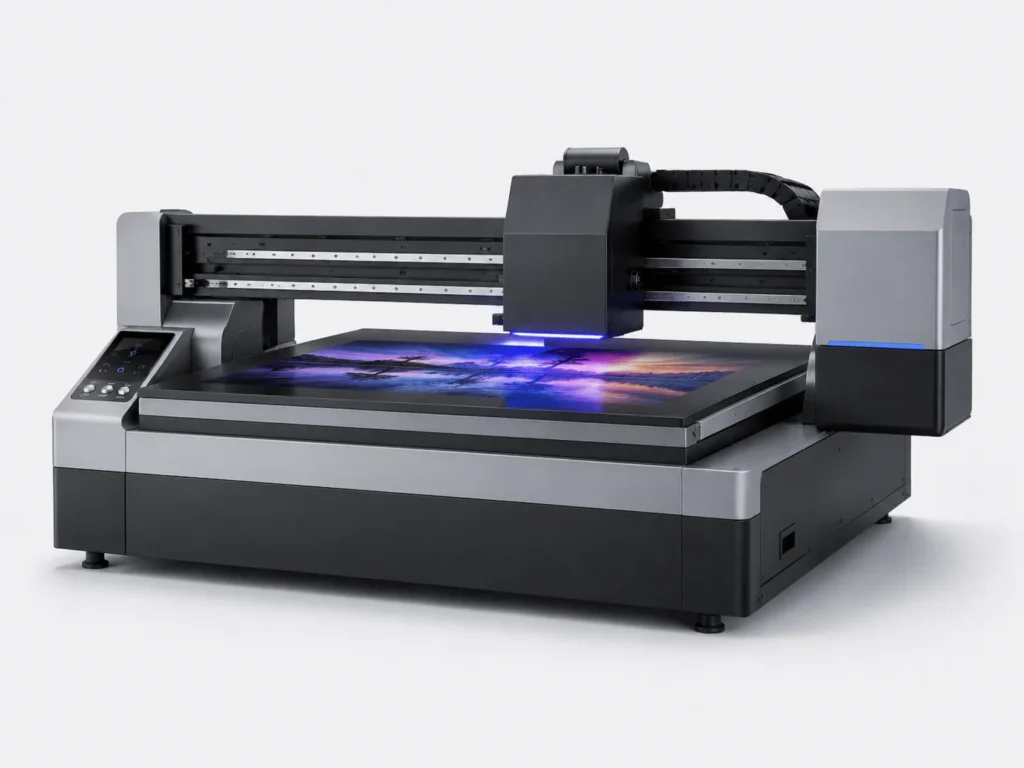
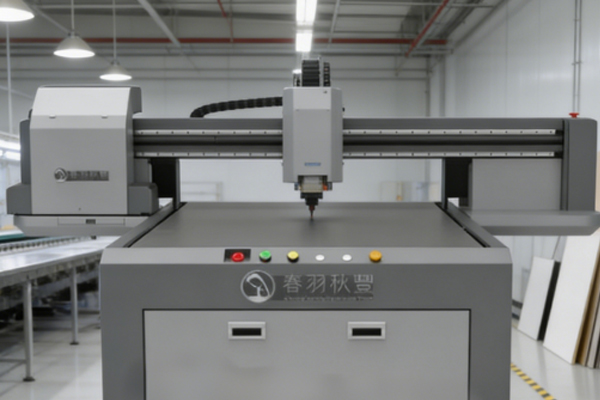
One of the first questions users encounter when learning about UV flatbed printers is the variety of equipment models available. Different models mainly differ in printing size, application scope, and production capacity. For companies focusing on cosmetic packaging, handicrafts, and gift box customization, the CF-1810 high-precision UV flatbed printer is a common choice. With a printing area of 1800 × 1000 mm, this type of machine can handle both small products and larger panels, making it widely used in the packaging and handicraft industries.
For example:
● Cosmetic packaging boxes
● Perfume bottle decoration
● Premium gift packaging
● Craft ornaments
● Acrylic display boards
For companies requiring higher precision and personalized customization, the CF-1016 high-precision UV flatbed printer offers greater advantages. It can achieve high-definition printing on materials such as wood, glass, acrylic, metal, and plastic, making it especially suitable for sample development and small-batch customized orders. For enterprises with larger industrial production demands, the 2513 UV flatbed printer features a larger printing platform. Its 2500 × 1250 mm print size can meet the large-scale production requirements of advertising signage, furniture panels, and decorative boards, making it commonly used in industrial processing factories and large printing companies.
Why Are Equipment Types Becoming More Specialized?
As market demand continues to evolve, the range of products manufactured by businesses is becoming increasingly diverse. Some companies focus on premium packaging, others specialize in advertising production, while some concentrate on furniture and building material decoration processing. If all businesses used the same type of equipment, it could lead to resource waste or insufficient production efficiency. As a result, UV flatbed printers have gradually developed into various categories ranging from small-scale customization to large-scale industrial production, allowing companies to choose equipment based on their order structures and product characteristics.
How Does a UV Flatbed Printer Work?
Although UV flatbed printers are industrial machines, their workflow is not as complicated as many people imagine. After a customer confirms the design, the designer imports the artwork file into the printing control software and adjusts it according to the product dimensions. The operator then places the material to be printed on the machine platform and begins printing after positioning it correctly. During operation, the printhead moves along a predetermined path, evenly spraying ink onto the material surface. At the same time, UV lamps cure the ink instantly.
The process typically includes:
● Importing design files
● Setting printing parameters
● Positioning printing materials
● Automatic inkjet printing
● Instant UV curing
● Finished product inspection and output
Since printing and curing occur simultaneously, the product does not require a long drying period and can immediately proceed to packaging or assembly.
Why Are More Companies Adopting Digital Printing Methods?
Traditional printing is more suitable for large-volume production of fixed designs, but modern markets are changing increasingly rapidly. For example, a packaging company may produce cosmetic gift boxes today and holiday gift packaging tomorrow. If new printing plates need to be created each time, costs increase and delivery cycles become longer. UV flatbed printers use digital printing technology, allowing new production tasks to be completed simply by replacing the design file on the computer. This flexibility offers significant advantages for e-commerce customization, gift manufacturing, and packaging industries.
Why Are High-Precision Printheads So Important?
The printhead is one of the most critical components of a UV flatbed printer. The CF-1810 uses Ricoh G5/G6 printheads, the CF-1016 is equipped with Ricoh G5i printheads, and the industrial-grade 2513 model features Ricoh GEN6 printheads. These high-performance printheads provide more accurate droplet control, resulting in richer image details.
For example:
● Portrait photo printing
● Brand logo printing
● Premium packaging graphics
● Decorative craft textures
● Fine text output
Through variable droplet technology, the printhead can automatically adjust droplet size according to the image content, producing smoother color transitions and reducing visible graininess.
What Special Effects Can Multi-Layer Printing Achieve?
From the perspective of the premium packaging industry, simple color graphics are no longer enough to meet market demand. More brands are seeking richer visual effects and tactile experiences, making multi-layer printing one of the key advantages of UV printing.
The CF-1810 supports various printing modes, such as:
● White + Color + Varnish
● Color + White + Color + Varnish
● Embossed texture printing
● Gold and silver effect printing
These processes create stronger visual depth in product packaging. For example, brand logos on cosmetic gift boxes can use spot varnish effects to stand out more prominently. Premium handicrafts can achieve tactile textures through embossed printing, while gift packaging can enhance perceived value with gold and silver effects.
Why Can Intelligent Software Improve Production Efficiency?
In addition to hardware configuration, software systems also significantly influence equipment performance. When the industrial-grade 2513 UV flatbed printer is used with professional RIP software, it can not only optimize printing paths but also effectively control ink consumption.
For example, printing management software such as PrintFactory can:
● Improve color accuracy
● Reduce ink waste
● Increase production efficiency
● Optimize workflows
● Maintain consistency in mass production
For large enterprises engaged in long-term production, these optimizations can provide significant cost advantages.
What Are the Advantages of UV Flatbed Printers Compared with Traditional Printing?
As market competition intensifies, companies focus not only on product quality but also on production efficiency and order response speed. The greatest advantage of UV flatbed printers is their ability to meet the market demand for small-batch, multi-variety, and personalized production. Unlike traditional printing, which requires extensive preparation work, UV printing enables instant modification, immediate printing, and direct application.
Benefits for businesses include:
● No plate making required
● Shorter production cycles
● Support for personalized customization
● Compatibility with various materials
● Increased product added value
For advertising companies, packaging manufacturers, and handicraft producers, this production model enables them to accept a wider variety of orders.
Which Industries Are Most Suitable for UV Flatbed Printers?
As the technology continues to mature, UV flatbed printers have entered numerous industries.
For example:
● Cosmetic packaging industry
● Advertising signage industry
● Craft gift industry
● Furniture decoration industry
● Building materials processing industry
● Consumer electronics housing industry
● Cultural and creative products industry
Whether for small-batch customized production or large-scale industrial processing, suitable equipment models and production solutions can be found.
Should You Choose a Small UV Flatbed Printer or a Large One?
If your primary products include cosmetic packaging, gift boxes, handicrafts, and small customized items, the CF-1810 and CF-1016 are usually sufficient while requiring less floor space and lower investment costs. If your business mainly focuses on advertising signage, furniture panels, feature walls, and large decorative boards, the 2513 UV flatbed printer is generally a better choice because its larger print area can significantly improve production efficiency.Choosing equipment is not simply a matter of selecting the largest machine. The ideal solution is to match the equipment to your actual order structure and product dimensions in order to maximize its value.
The development of UV flatbed printers has gradually led traditional printing into an era of digitalization, intelligence, and customized production. Whether for premium cosmetic packaging, customized craft gifts, or large-scale advertising signage and furniture panel production, UV printing technology provides more flexible manufacturing capabilities. From the CF-1810 designed for the packaging and handicraft markets, to the CF-1016 for high-precision customized production, and the 2513 industrial-grade large-format printer, different equipment types meet the development needs of different businesses.
Choosing a UV flatbed printer is not simply purchasing a machine—it is upgrading an entire production model. It can help companies shorten delivery times, improve product quality, reduce production preparation costs, and satisfy growing customer demands for personalized and high-quality products. As consumer markets continue to evolve, rapid response capability has become a critical factor in business competitiveness, and UV printing technology provides exactly this kind of support.