Acrylic toys, with their high transparency, smooth surface, and diverse designs, are widely used in children’s educational toys, trendy collectibles, anime merchandise, display models, collectibles, and branded gifts. With the continuous growth of personalized consumption demands, traditional processing methods such as screen printing, stickers, and spray painting are gradually unable to meet the production requirements of small-batch manufacturing, multi-color printing, and high-precision processing. Acrylic toy manufacturers not only need to achieve vivid graphic effects but also need to solve challenges related to color layering, detail presentation, production consistency, and environmentally friendly manufacturing.
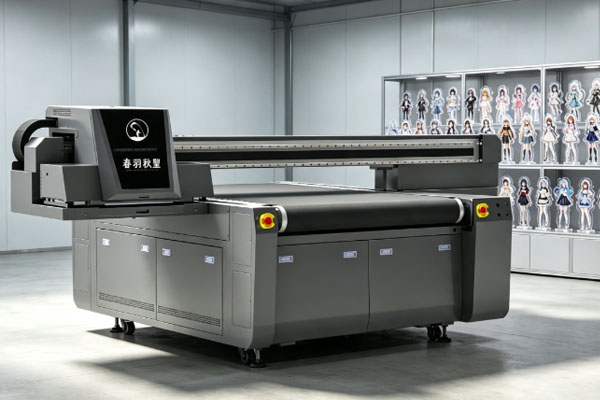
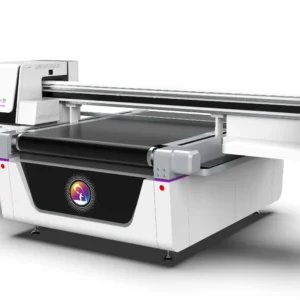
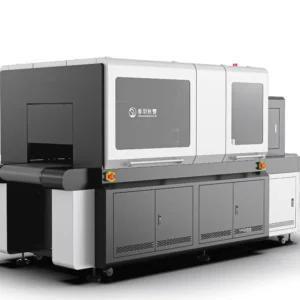
Multi-color UV printing technology provides a more flexible production solution for acrylic toy manufacturing. Through industrial-grade UV printers, manufacturers can directly print colorful patterns, text, gradient effects, and three-dimensional embossed effects on acrylic surfaces without complicated screen-making processes or multiple processing steps. This technology helps companies reduce production preparation costs, improve product design flexibility, and achieve rapid conversion from prototype development to mass production. During the multi-color UV printing production process for acrylic toys, reasonable planning is required based on equipment performance, ink characteristics, material processing methods, and production procedures. With a mature UV printing solution, toy products can achieve richer visual effects while improving production efficiency and market competitiveness.
Concept and Production Requirements of Multi-Color UV Printing Technology for Acrylic Toys
What Is Multi-Color UV Printing for Acrylic Toys?
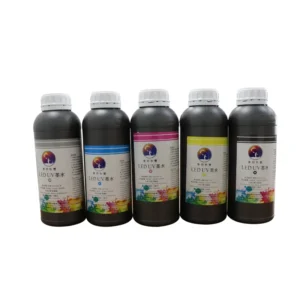
Multi-color UV printing for acrylic toys is a processing method that uses UV digital printing equipment to directly spray CMYK color inks, white ink, and varnish onto acrylic toy surfaces. During the printing process, UV LED curing lamps quickly irradiate the ink, allowing it to dry instantly and form a stable printed layer, achieving high-precision pattern adhesion. Compared with traditional printing methods, UV printing does not require the production of films, screens, or transfer templates. Production can be completed simply by controlling the printing equipment through computer design files. For example, an acrylic anime character model can directly print the character’s clothing colors, facial details, brand logos, and background decorations, creating richer visual effects.
Multi-color UV printing is not only suitable for flat acrylic sheets but can also be applied to processed acrylic toy components, such as:
- Acrylic building block components;
- Acrylic assembly toys;
- Acrylic display models;
- Acrylic keychains;
- Acrylic collectible ornaments;
- Acrylic children’s educational products.
This production method can meet the toy industry’s requirements for personalized design, small-batch customization, and fast delivery.
Reasons for Choosing UV Printing for Acrylic Toys
Acrylic materials have a smooth surface and high transparency, but traditional printing methods may experience problems such as insufficient color coverage and unstable pattern adhesion. UV printing uses specialized inks and precise inkjet control to improve these production challenges.
| Comparison Item | Traditional Printing Methods | Acrylic UV Printing |
| Plate Making Requirements | Requires templates | No plate making required |
| Color Effects | Limited number of colors | Supports multi-color combinations |
| Pattern Accuracy | Limited detail performance | Capable of printing fine patterns |
| Product Changes | Higher cost for design changes | Production can start after file modification |
| Small-Batch Production | Higher costs | More suitable for rapid customization |
Application Value of Multi-Color UV Printing in the Toy Industry
With increasing consumer demand for unique toy products, toys are no longer just functional products but are gradually becoming commodities with collectible value and brand communication value. Acrylic UV printing helps companies quickly create differentiated products. For example, the same acrylic toy model can be produced into different themed series by simply changing printed patterns without creating new molds. Companies can quickly adjust products according to holiday promotions, anime IP collaborations, and customer customization requirements, improving market response speed.
Acrylic Toy Multi-Color UV Printing Production Process
Product Design and Printing File Preparation
Before UV printing acrylic toys, digital design files need to be created according to product dimensions, shapes, and final visual requirements. Designers usually use professional design software to create patterns and adjust the color mode, resolution, and printing position according to equipment requirements.
During the file preparation stage, key factors need to be confirmed:
- Whether the pattern size matches the toy surface;
- Whether different color areas are clearly defined;
- Whether a white ink layer needs to be added;
- Whether a three-dimensional embossed effect needs to be created.
For example, when printing directly on transparent acrylic toys, the color effect may be affected by the transparency of the material. Therefore, a white ink base layer is usually added to make colors appear brighter and more vivid.
Acrylic Material Processing and Positioning
Although acrylic surfaces are smooth, proper preparation is required to ensure printing quality. Production operators usually clean the acrylic surface to remove dust, oil stains, and other factors that may affect adhesion. Before formal printing, product positioning is also required. Industrial UV printers are usually equipped with precision positioning systems, allowing operators to quickly determine printing areas and improve consistency during mass production. For acrylic toys with different shapes, dedicated positioning fixtures can be designed according to product structures to ensure that each product maintains the same printing position.
Multi-Color UV Printing and Curing Process
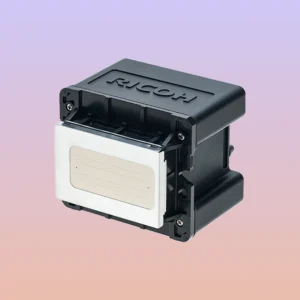
After positioning is completed, the UV printer begins inkjet production according to the design file. The equipment uses multiple print heads to achieve precise output of different color inks.
The typical printing process includes:
- Printing color ink layers to create the basic pattern effect;
- Adding white ink layers according to requirements to improve color saturation;
- Adding varnish layers to enhance surface gloss and three-dimensional effects;
- Using UV LED lamps for instant curing, allowing the ink to quickly form a stable coating.
During multi-color printing, print head accuracy, ink stability, and equipment control systems all affect the final result. Therefore, industrial UV printing equipment usually adopts more stable printing structures to ensure consistency during long-term production.
Technical Details and Equipment Requirements for Acrylic Toy UV Printing Production
Multi-Color Printing Systems Improve Pattern Expression
Acrylic toys often require complex color expressions, such as character clothing, cartoon images, and gradient backgrounds. Therefore, printing equipment needs strong color control capabilities. Industrial UV printers generally use multi-channel ink systems to achieve:
- CMYK four-color printing;
- White ink auxiliary printing;
- Varnish effect printing;
- Multi-layer overlay printing.
Through different ink layer combinations, ordinary color effects can be achieved, as well as tactile three-dimensional patterns. For example, an acrylic anime ornament can first be printed with white ink to enhance the base color, followed by color printing, and finally covered with transparent varnish to create a crystal-like glossy surface effect.
Printing Accuracy Affects Toy Detail Quality
Toy products usually contain many details, such as character eyes, clothing textures, and small logos. If printing accuracy is insufficient, problems such as blurred edges and color deviations may occur. Industrial UV printing equipment improves detail reproduction capabilities through precise print head control and intelligent positioning systems.
Precautions During Acrylic Toy Production
To achieve stable printing results, the following factors should be considered during production:
- Acrylic materials should maintain a clean surface to prevent dust from affecting ink adhesion;
- Ink and material compatibility should be tested before printing;
- Printing height should be adjusted according to different acrylic thicknesses;
- Color calibration should be performed before mass production;
- Print head maintenance should be carried out during long-term operation.
Proper control of these steps can reduce production waste and improve product qualification rates.
Frequently Asked Questions
Q: Will acrylic toys fade easily after UV printing?
A: When industrial-grade UV inks are used and properly cured, printed patterns can maintain good stability. The actual performance is also affected by usage environment, material quality, and surface treatment methods. Therefore, printing tests are recommended before mass production.
Q: Can UV printing be used for transparent acrylic toys?
A: Yes. Transparent acrylic is one of the most common application materials for UV printing. Through the combination of white ink base layers and color ink layers, patterns can become clearer while maintaining the transparent texture of acrylic products.
Q: Is UV printing suitable for small-batch customized toys?
A: It is highly suitable. UV printing does not require traditional printing templates. Production can begin simply by changing design files, making it especially suitable for new product testing, IP collaboration products, and personalized customization.
The acrylic toy market is developing toward personalization and high-quality production. Companies need more flexible manufacturing technologies to meet consumer demands. Multi-color UV printing not only improves product appearance but also reduces the difficulty of producing complex patterns. By introducing industrial-grade UV printing equipment, toy manufacturers can shorten product development cycles, improve production efficiency, and explore more innovative design possibilities. If you are looking for UV printing solutions suitable for acrylic toys, trendy ornaments, and model products, please contact Springyprinter. With professional equipment development capabilities and extensive industry experience, Springyprinter can help companies create more efficient and stable industrial UV printing production solutions.
Email: [email protected]
Phone: +86 183 1888 5593