With the increasing demand for customized packaging, gifts, daily products, and industrial items, surface printing on cylindrical products requires higher standards. Customers and businesses are no longer only concerned about image clarity but also expect complete and continuous designs without visible seams, misalignment, or repeated patterns. For products such as water bottles, wine bottles, cosmetic containers, and metal tubes, printing defects can directly affect product quality and brand image. Cylindrical printers use rotary positioning, precise control systems, and digital printing technology to achieve continuous graphic output on curved surfaces, delivering stable and high-quality printing results.
The Basic Principle of Seamless Printing with Cylindrical Printers
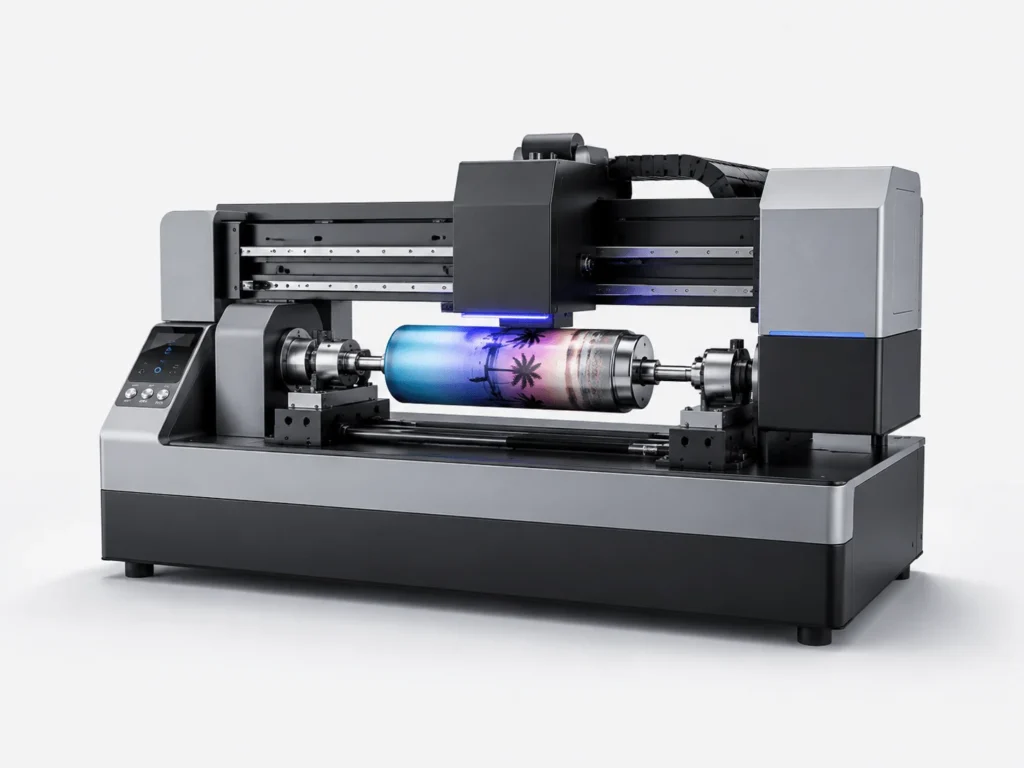
The key to seamless printing with a cylindrical printer lies in the precise coordination between product rotation and inkjet output. Unlike flatbed printing, cylindrical products need to rotate steadily during the printing process so that graphics can be connected accurately.
The working process mainly includes:
- Using a rotary device to rotate the product at a consistent speed, allowing the printing area to continuously pass under the printhead
- Calculating movement distance based on product diameter, length, and other parameters to ensure accurate graphic connection
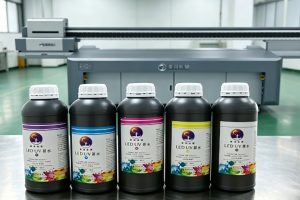
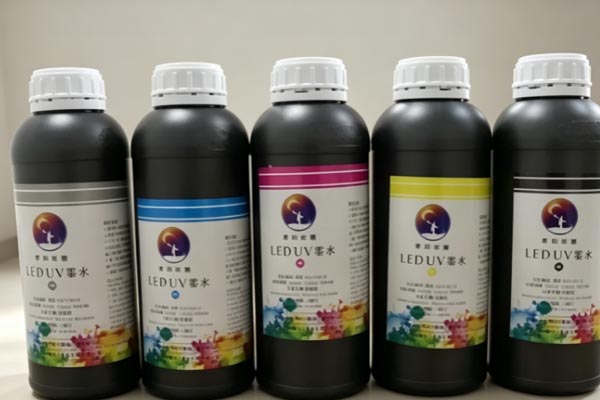
- Spraying ink according to digital design files and quickly fixing the graphics through UV curing technology
This synchronized control method reduces manual positioning errors and allows graphics to cover the entire cylindrical surface continuously with a more complete visual effect.
Precise Rotary Control Is the Key to Seamless Printing
The biggest challenge when printing cylindrical products is the curved surface. If the rotation speed is unstable, graphics may become stretched, overlapped, or leave blank areas. Therefore, the performance of the rotary system directly affects the final printing quality.
Precise rotary control is reflected in:
- Stable rotary structures maintain consistent product movement and prevent positioning deviations during printing
- Smart control systems adjust rotation parameters according to different product sizes to improve printing accuracy
- High-precision positioning technology ensures smooth connection between the beginning and end of the graphic, reducing visible seams
For products requiring continuous logos, wraparound text, or full-surface background designs, stable rotation is the foundation for achieving seamless printing.
Digital Printing Technology Improves Graphic Connection Quality
Traditional printing methods often require special molds or printing plates for cylindrical products, which can limit design changes and complex graphic processing. Cylindrical printers use direct digital file output, allowing more flexible production of detailed designs.
The advantages of digital printing include:
- Directly adjusting designs through digital files without creating new printing plates
- Supporting high-resolution images, gradients, and complex textures for premium product designs
- Quickly changing printing content to support multi-design and small-batch production
- Using software control to improve printing position accuracy and repeatability
Digital production not only improves seamless printing performance but also allows businesses to respond faster to personalized customer requirements.
UV Curing Technology Ensures Stable Seamless Printing Results
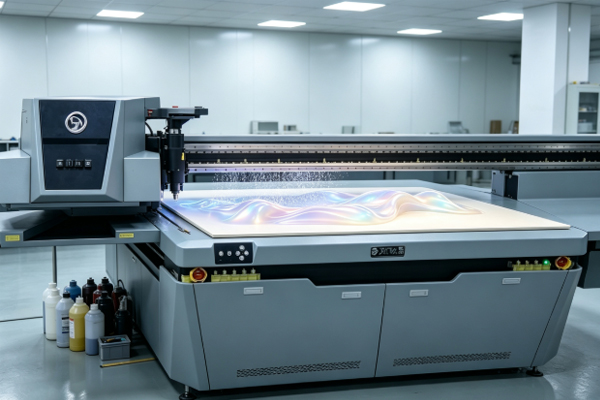
Seamless printing requires not only smooth graphic connections but also long-lasting print durability. If ink adhesion is insufficient, issues such as fading and surface wear may occur, affecting product quality. Cylindrical printers usually combine UV curing technology to provide more stable printing results.
The advantages of UV curing technology include:
- Rapid ink curing after printing, reducing waiting time and improving production efficiency
- Improving graphic adhesion and making printed designs more resistant to wear
- Supporting multi-layer ink printing to create richer visual effects
Through a stable curing process, cylindrical products can achieve seamless graphic coverage while maintaining a clear and durable appearance.
What Products Are Suitable for Seamless Cylindrical Printing?
As cylindrical printing technology continues to develop, its applications have expanded across multiple industries. Any product with a regular cylindrical structure can potentially use rotary printing technology for continuous graphic processing.
Common application products include:
- Insulated bottles, water cups, and coffee cups for 360-degree brand graphic printing
- Wine bottles and cosmetic containers to enhance product presentation and brand value
- Metal tubes, plastic containers, and industrial housings for marking and decorative processing
For businesses seeking premium product appearances, seamless printing reduces traditional processing limitations and provides more design possibilities.
Cylindrical printers achieve continuous and high-precision printing on curved product surfaces through precise rotary control, digital printing technology, and UV curing processes. Compared with traditional printing methods, they better meet the needs of personalized customization, small-batch production, and high-quality packaging applications. As branded products and customized markets continue to grow, cylindrical printers are becoming an important solution for businesses looking to improve product appearance and production efficiency. SpringYprinter provides professional and reliable cylindrical printer solutions to help businesses achieve high-quality seamless printing production.