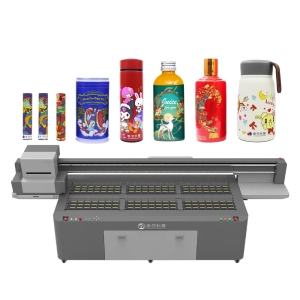
The global digital printing market continues to expand, and overseas customers’ demand for UV printing equipment is steadily increasing. Different countries have variations in application standards, production environments, and usage scenarios. Therefore, export manufacturers must build a complete quality system covering R&D, production, inspection, and service. From design and development to component procurement, machine assembly, and final inspection, every stage affects the final delivery quality. Choosing a manufacturer with mature export experience helps ensure stable and reliable equipment, reduces operational risks, and provides long-term cooperation guarantees.
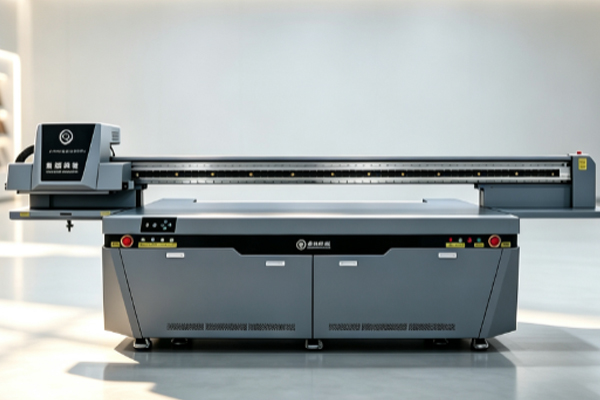
Strict Control of Product R&D and Manufacturing Processes
A well-established R&D and manufacturing system is the foundation of equipment stability, determining reliability from the design stage and enabling continuous optimization.
Establish a Standardized R&D System
Continuous technological optimization is an important way to enhance product competitiveness.
- Optimize machine structure design based on different market application needs to improve adaptability and stability.
- Upgrade the printing control system, improving accuracy and efficiency through hardware-software coordination.
- Optimize ink circulation and supply systems to reduce clogging and enhance long-term operation capability.
- Develop diversified equipment solutions for advertising, industrial manufacturing, and personalized customization fields.
A continuously iterated R&D system enhances equipment adaptability across different countries and industries.
Implement Standardized Production Management
Standardized production management is essential to ensure consistent product quality, effectively reducing human error and improving manufacturing stability.
- Strictly follow unified assembly processes to ensure each step is executed according to standard operating procedures.
- Control installation accuracy of key components to avoid assembly deviations affecting stability and print quality.
- Establish a traceable production record system for full-process quality tracking and review.
- Conduct continuous quality inspections at each production stage to ensure issues are corrected before shipment.
A well-structured production management system significantly reduces failure rates and improves long-term operational stability.
Control the Quality of Core Components
The quality of core components directly affects machine performance and service life, requiring strict supply chain management.
Select Reliable Core Configurations
The stability of core components is the foundation for long-term efficient operation.
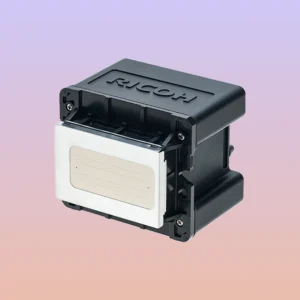
- Use industrial-grade printheads with high stability to ensure long-term printing accuracy and color performance.
- Equip high-precision motion control systems to ensure accurate positioning under high-speed operation.
- Use anti-interference electrical components to reduce risks in complex working environments.
- Optimize mechanical structure design to improve rigidity and extend machine lifespan.
High-quality core configurations reduce maintenance frequency and downtime.
Strengthen Incoming Material Inspection
Incoming material quality control is a critical precondition for overall machine quality assurance. All incoming parts undergo specification consistency checks to ensure dimensions and parameters meet design requirements; electronic components are tested for power-on stability to eliminate potential failures; mechanical parts are inspected for machining accuracy to ensure precise assembly; meanwhile, suppliers are continuously evaluated and managed in tiers. Through a strict incoming inspection system, quality risks are reduced at the source, ensuring overall machine stability.
Improve Machine Testing and Export Processes
Systematic pre-shipment testing is a key step to ensure equipment meets international standards.
Conduct Comprehensive Pre-Delivery Testing
Before shipment, machines must undergo full performance validation and stability testing.
- Test printing accuracy, color reproduction, and detail performance.
- Conduct long-duration continuous operation tests to verify high-load stability.
- Check coordination accuracy between feeding and positioning systems.
- Verify stability and responsiveness of the software control system.
A complete testing process ensures the equipment meets overseas production requirements.
Ensure Proper Packaging and Transportation Protection
International transportation environments are complex, making packaging protection essential. High-strength materials are used to secure equipment and prevent movement or collision during transit; shockproof and moisture-proof structures are added for long-distance shipping; printheads and electrical systems are individually reinforced; and standardized packing solutions are provided to comply with international shipping regulations. Professional packaging design significantly reduces transportation damage risks and ensures safe delivery.
Establish a Comprehensive After-Sales Service System
After-sales service is a key guarantee for long-term stable operation and an important factor in building customer trust.
Provide Continuous Technical Support
Delivery does not mark the end of service but the beginning of long-term technical support.
- Provide remote installation guidance to assist customers in equipment setup and commissioning.
- Offer operation training to help customers quickly master usage and maintenance methods.
- Establish a rapid response mechanism to resolve technical issues in a timely manner.
- Assist in solving production process issues to improve efficiency and stability.
Continuous technical support helps customers achieve stable production faster, maximizing equipment value.
Build Long-Term Cooperation Mechanisms
Excellent export manufacturers focus more on long-term cooperation rather than one-time transactions.
- Provide stable supply of original spare parts to ensure maintenance support.
- Offer software upgrade services to continuously optimize machine functions.
- Optimize equipment solutions based on customer needs.
- Collect feedback for product improvement.
Through long-term cooperation mechanisms, customer satisfaction is improved and continuous product optimization is achieved, creating a win-win development model.
Exporting UV printers requires not only stable and reliable product performance, but also a complete R&D system, standardized manufacturing processes, strict inspection mechanisms, and a mature after-sales service system. Through full-process quality management, equipment can meet global customers’ demands for high stability and high-efficiency production. Springyprinter focuses on the R&D and manufacturing of industrial digital printing equipment, providing high-quality UV printing machines and professional technical support to global customers.