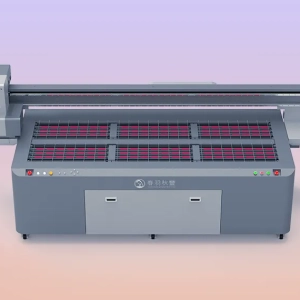

3D texture printing can give flat patterns a three-dimensional appearance, tactile feel, and visual depth. However, the final result depends not only on the printing equipment and design file, but also on the substrate material. Glass, acrylic, PVC, metal, wood panels, and other materials differ in surface flatness, ink absorption, surface energy, and adhesion properties. When the same set of parameters is applied to different materials, the texture height, edge definition, and adhesion performance may vary. Understanding the relationship between material properties and 3D texture printing can help companies optimize their processes, enhance product appearance, and improve market competitiveness.

Material Surface Properties Affect Texture Dimensionality
3D texture printing creates visual and tactile dimensional effects through differences in ink layer height. The flatness, gloss, and surface energy of the material all affect ink droplet spreading and texture formation.
Smooth Materials Are More Suitable for Fine Textures
Glass, acrylic, and some PVC sheets have relatively smooth surfaces, making them suitable for fine textures and regular patterns.
- Ink droplets can land accurately according to the design, reducing texture edge spreading.
- Small text, lines, and micro-textures are more likely to remain complete.
- Glossy materials can enhance the reflection changes between the texture and light, making the raised and recessed effects more noticeable.
- Transparent or semi-transparent materials can be combined with base colors and white ink to create rich visual layers.
- Materials with stable surface conditions are suitable for decorative panels, signs, and packaging products that require high detail.
The more stable the material surface, the easier it is to control the texture edges and maintain image clarity.
Rough or Absorbent Materials Can Change Texture Performance
Wood panels, paperboard, and some materials with microporous structures can absorb and spread ink droplets.
- After the ink penetrates the material surface, the originally designed height differences may change.
- Rough surfaces are suitable for creating natural textures such as wood grain, stone, and leather.
- Fine textures may have softened edges, so the clarity of text and lines requires careful inspection.
- Paperboard materials require ink volume control, as excessively thick ink layers may increase deformation or drying pressure.
- Highly absorbent materials may require adjustments to printing resolution, ink volume, and texture height.
During production, process parameters should be adjusted according to the material surface condition so that the dimensional effect remains coordinated with the material’s own texture.
Different Materials Produce Different Texture Effects
Different materials have different gloss levels, hardness, and surface structures. 3D texture printing affects both the tactile feel of the pattern and the visual style of the product.
Glass, Acrylic, and PVC Are More Suitable for High-Precision Textures
Glass, acrylic, and PVC are widely used in decorative printing and are suitable for fine, regular, and richly layered textures. Glass has a smooth, flat, and highly reflective surface, making it suitable for effects such as frosted, embossed, and geometric textures. Acrylic offers good transparency and decorative performance and can be combined with color ink, white ink, and textured ink layers to create decorative panels. Rigid PVC is suitable for appliance panels, advertising signs, and other applications where texture design needs to balance visual appeal and practicality. Surface cleaning and adhesion testing should be completed before production.
Metal and Wood Panels Emphasize Texture Integration
Metal and wood panels have distinctive material characteristics. 3D texture printing should be designed while preserving the original texture of the substrate.
- Metal surfaces usually have strong reflective properties, allowing printed textures to complement their cool and refined appearance.
- Metal materials are suitable for appliance decorative panels, electronic product housings, and industrial signs.
- Wood panels have natural grain, and 3D printing can add raised and recessed effects to the existing wood texture.
- Different types of wood have different ink absorption capabilities, requiring adjustments to ink volume and curing parameters.
- The texture of the material itself can also become part of the design, enhancing the product’s natural appearance.
By making proper use of the substrate’s characteristics, the printed texture can blend with the material’s appearance and create a more coordinated decorative effect.
Material Differences Require Matching Printing Parameters
When the same 3D texture printing equipment is used with different materials, fixed parameters cannot be applied in every case. Ink volume, texture layer count, printing precision, and UV curing conditions all need to be adjusted according to the material.
Ink Layer Height Should Be Adjusted According to the Material
The dimensional effect of 3D texture mainly comes from stacking multiple layers of ink. To keep the texture height coordinated with the material surface, adjustments can be made in the following areas:
- Fine textures are suitable for more precise ink layer control.
- Large-area embossing can use a higher number of texture layers when appropriate.
- Small text and fine lines should not be stacked too high, as this may cause edge deformation.
- Highly absorbent materials require close attention to ink spreading.
- Glossy materials require careful observation of texture edges and reflective effects.
- When the surface is uneven, excessive overlap between the texture height and the substrate structure should be avoided.
The focus of parameter adjustment is to balance texture height, edge definition, and material appearance rather than simply increasing the texture height.
UV Curing and Adhesion Are Equally Important
Different materials show different adhesion performance with UV ink. Before production, pretreatment such as cleaning and priming should be carried out according to the material characteristics. Suitable ink volume, texture layer count, printing speed, and UV curing intensity should also be selected. For products with relatively thick textures, testing should be conducted to confirm curing performance and adhesion, preventing ink peeling, flaking, or wear.
How to Achieve Stable 3D Texture Printing on Different Materials
Material testing, parameter management, and finished-product inspection can improve the stability of 3D texture printing on different materials.
Sampling Tests Help Determine the Appropriate Process
When working with a new material, a small test sample can be produced first to observe the texture performance under different parameter combinations.
- Check whether the texture height meets the design requirements.
- Observe whether the texture edges are clear and complete.
- Compare surface gloss and color layering under different parameters.
- Evaluate whether the tactile feel of the texture is natural and uniform.
- Conduct adhesion and abrasion tests on materials such as glass, metal, and plastic.
- Record the actual results under different ink volumes, texture layer counts, and curing parameters.
- Determine the process combination suitable for mass production based on the test results.
The test results can serve as a basis for subsequent mass production, reducing the risk of rework after production begins and helping companies understand the printing characteristics of new materials.
Establish a Relationship Between Materials and Parameters
A mature production system should establish a clear relationship between material characteristics and printing parameters.
- Create parameter records for categories such as glass, acrylic, PVC, metal, and wood panels.
- Further distinguish materials by brand, thickness, and surface treatment method.
- Save successful cases and test samples for reference in future orders.
- Use similar parameters for new orders and fine-tune them according to the actual results.
- Regularly review parameter performance to prevent changes in equipment condition or materials from affecting printing quality.
By continuously accumulating printing data for different materials, companies can further improve sampling efficiency and the stability of mass production.
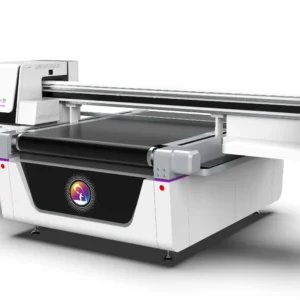
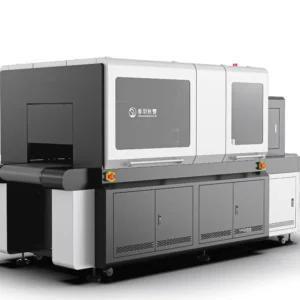
The application results of 3D texture printing also need to be optimized according to specific product requirements. Through preliminary sampling, material testing, and parameter management, companies can control texture layering, surface feel, and finished-product stability more accurately, meeting the processing requirements of different applications such as appliance panels, packaging, decorative panels, and industrial products. Springyprinter specializes in the research, development, and manufacturing of industrial UV digital printing equipment and can provide equipment and application support for texture printing on a wide range of materials.