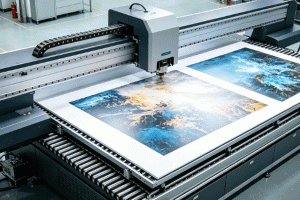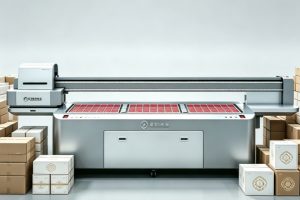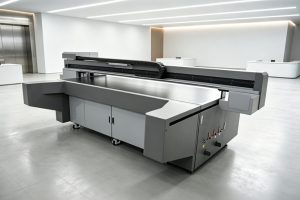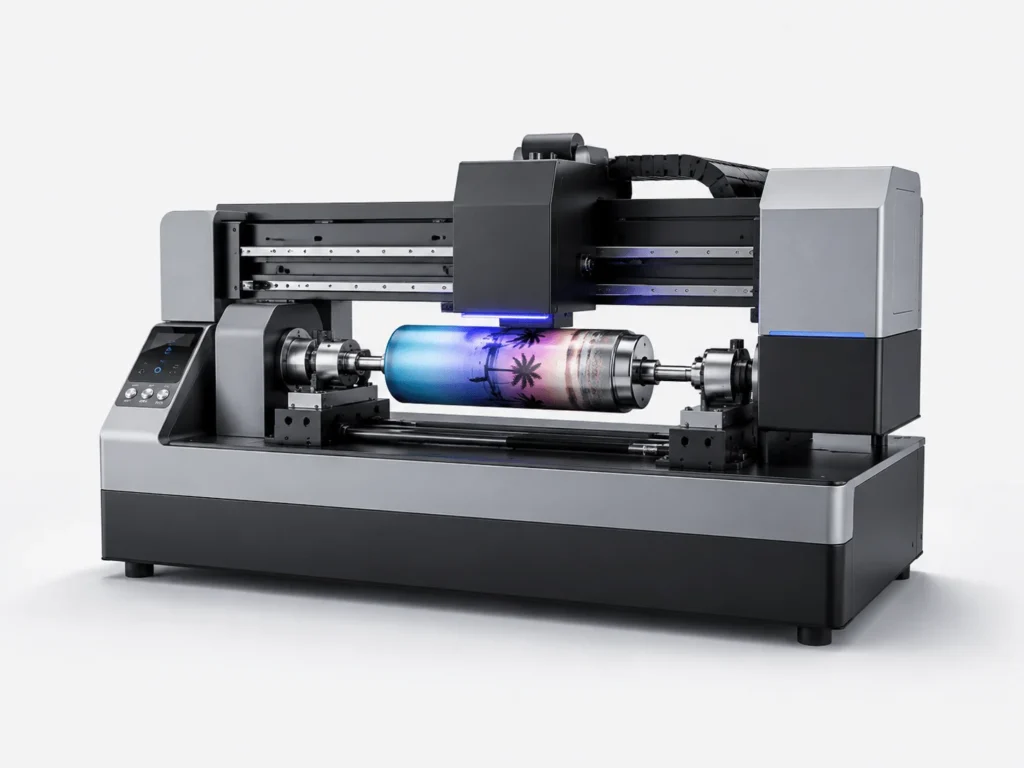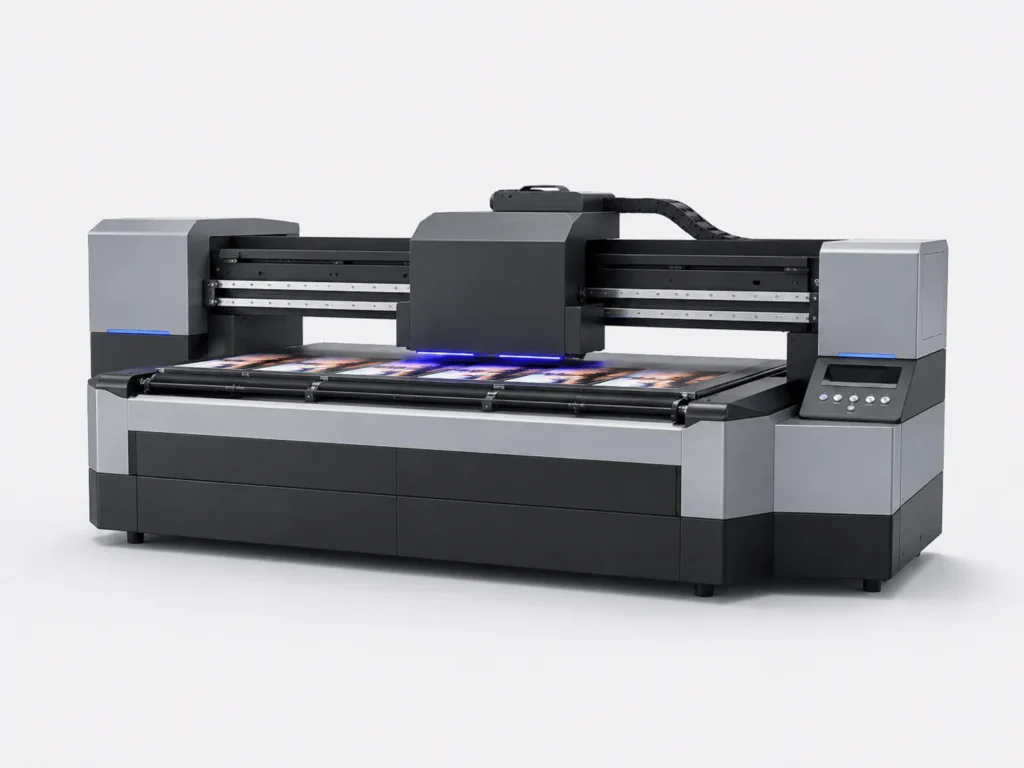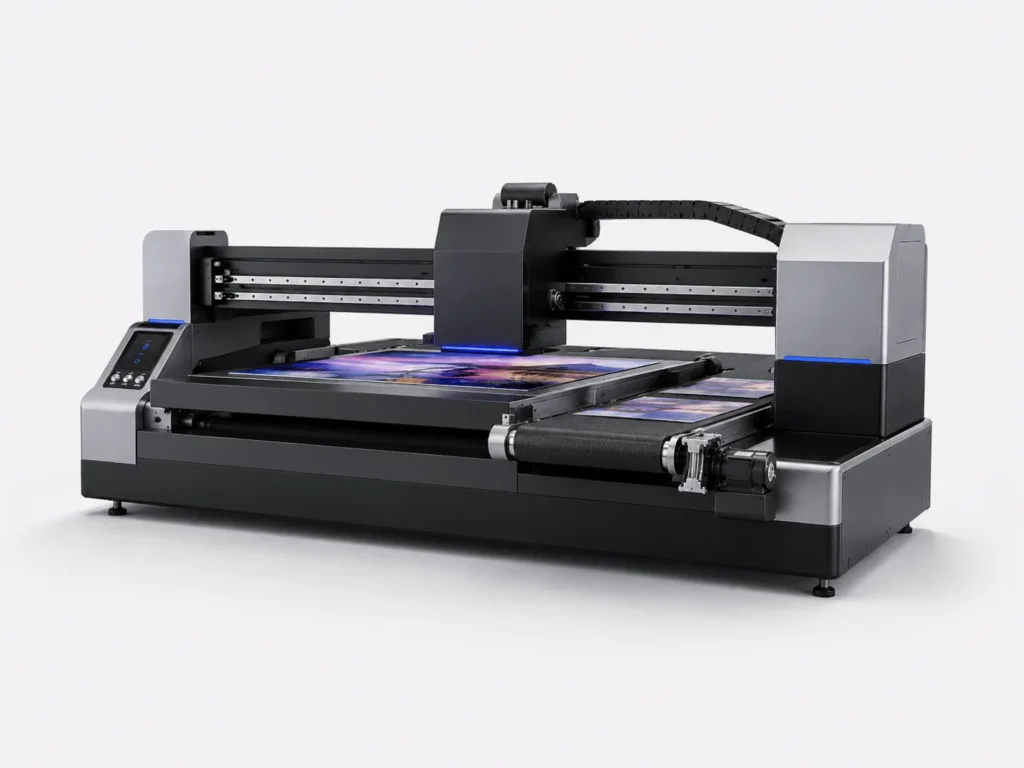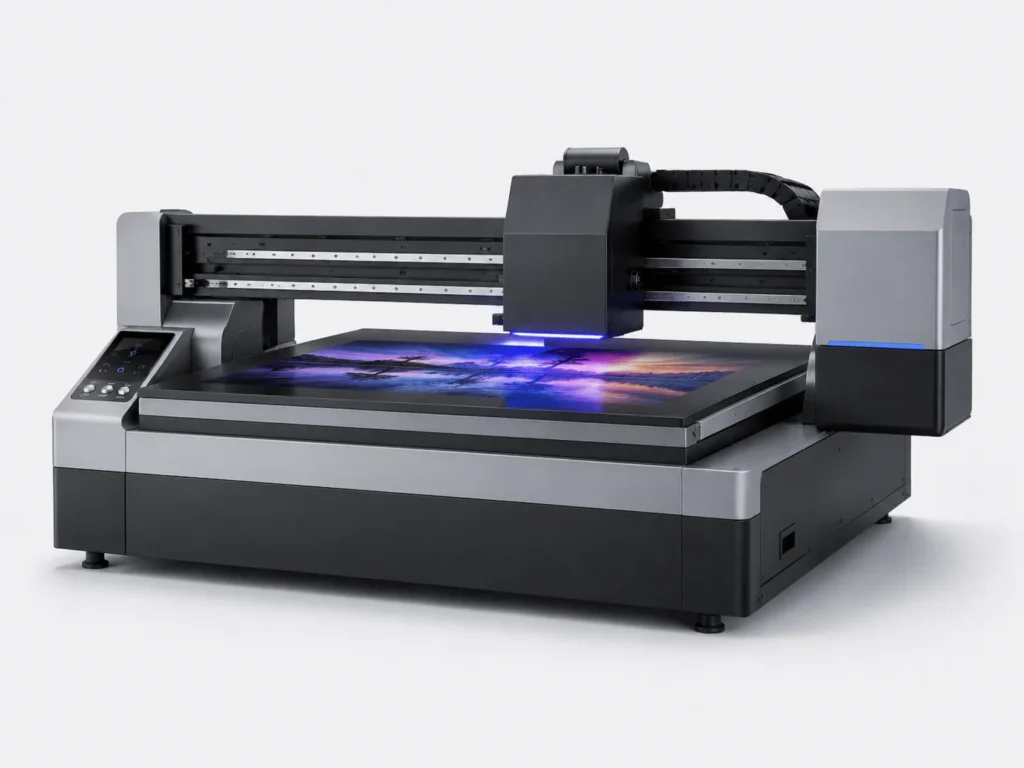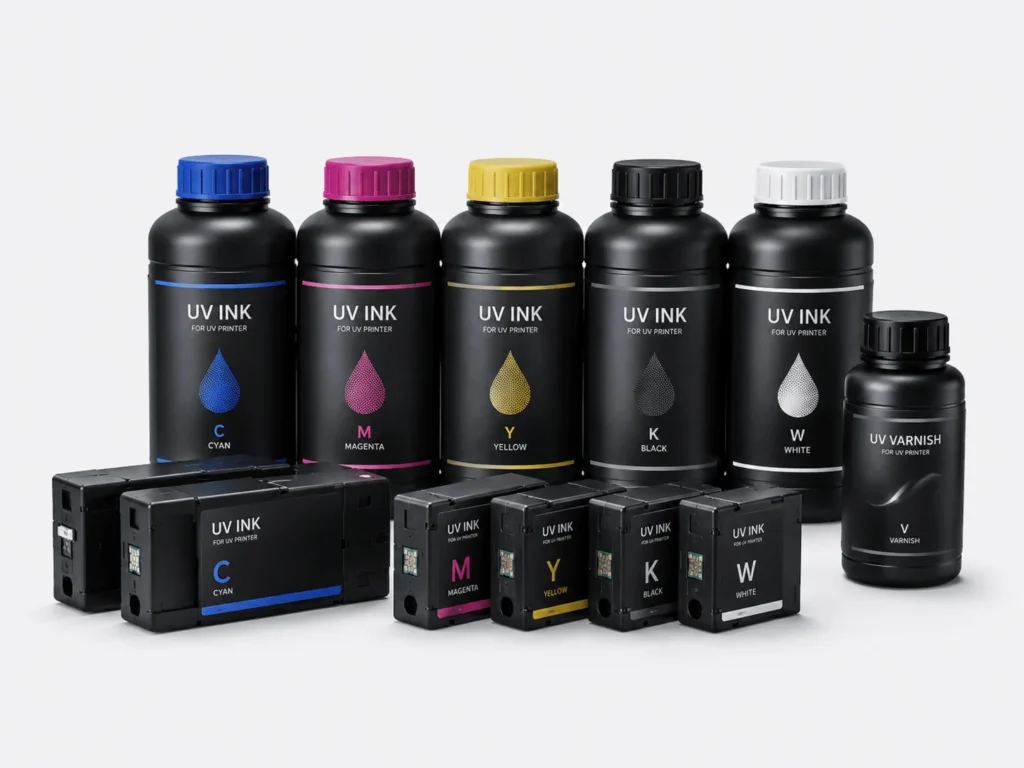
Acrylic materials are widely used in advertising display boards, light boxes, decorative panels, display cabinets, electronic product housings, and other fields due to their high transparency, smooth surface, and excellent processing performance. With the development of UV printing technology, UV LED ink has gradually become an important choice for creating patterns, text, and decorative effects on acrylic surfaces. Regarding whether UV LED ink is suitable for acrylic materials and whether problems such as ink peeling, poor adhesion, or unstable colors may occur after printing, the current UV LED ink can be used on acrylic materials. However, suitable ink needs to be selected according to the characteristics of the acrylic surface, and proper printing processes must be combined to achieve good printing results.
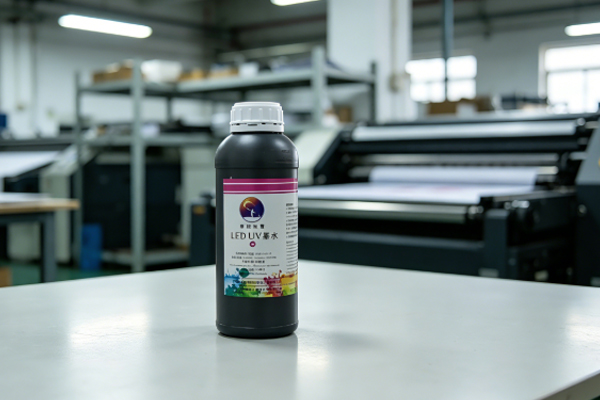
Acrylic Is Suitable for UV Ink
Acrylic is a transparent polymer material with a highly smooth surface that does not easily absorb ink. UV LED ink uses ultraviolet light to quickly cure and form an ink layer, allowing it to adhere directly to the acrylic surface. Therefore, it is widely used in advertising production and decorative printing industries.
Acrylic Surfaces Can Achieve High-Definition Printing
Acrylic materials have smooth surfaces and can effectively display the color performance of UV LED ink. When processed with UV printing equipment, acrylic can be printed with clear text, patterns, and complex color effects.
● Suitable for producing advertising signs, display boards, and decorative panels.
● Capable of high-precision pattern printing while maintaining clear details.
● Able to present rich colors and enhance product visual appeal.
Because acrylic itself has good light transmission properties, combining it with UV LED ink printing can also create special light and shadow effects, meeting different product appearance design requirements.
UV Ink Can Meet Acrylic Application Requirements
Acrylic products usually need to maintain excellent appearance while requiring printed content to have a certain level of durability. After curing, UV LED ink forms a relatively hard ink layer, improving the stability of pattern adhesion. For acrylic products used for long-term display, such as advertising boards and exhibition display items, suitable UV LED ink can reduce color fading and surface damage, extending product service life.
Acrylic Printing Requires Proper Ink Selection
Although UV LED ink can be applied to acrylic materials, different types of ink may produce different printing results. If ink performance does not match acrylic characteristics, problems such as insufficient adhesion, surface cracking, or poor color performance may occur.
Ink Adhesion Needs to Be Improved
Acrylic surfaces are relatively smooth, making it difficult for ordinary ink to form a strong bond. Therefore, UV LED ink used for acrylic printing usually needs to have good adhesion performance. During customized ink development, the bonding effect between ink and acrylic surfaces can be improved by adjusting resin formulas and adding special additives, making printed patterns more stable.
● Suitable for printing on glossy acrylic materials.
● Reduces ink peeling during use.
● Improves overall product quality.
For high-demand acrylic products, such as brand display boards and high-end packaging boxes, selecting specialized UV LED ink can provide more reliable printing performance.
Different Acrylic Types Require Adjustments
Depending on processing methods, acrylic materials can be divided into transparent acrylic, colored acrylic, frosted acrylic, and other types. Different surfaces affect ink performance. When printing on transparent acrylic, ink coverage needs to be considered; when printing on dark acrylic, color visibility needs to be improved; when printing on frosted acrylic, pattern clarity needs to be emphasized. Therefore, in actual production, ink parameters need to be adjusted according to the material type.
Optimizing Acrylic Printing Effects
When using UV LED ink for acrylic printing, in addition to selecting suitable ink, equipment parameters and processing methods during printing also need to be controlled. Proper operation can improve color performance and make printed products more attractive.
Surface Treatment Improves Printing Results
Before printing, the acrylic surface needs to remain clean. If dust, oil stains, or other contaminants exist on the surface, ink adhesion will be affected. Some high-demand products also require surface treatment, such as using professional cleaners to remove contaminants or applying treatment methods to enhance surface bonding ability, allowing UV LED ink to adhere more stably.
Properly Control the Curing Process
UV LED ink relies on ultraviolet light for curing, and curing intensity and time affect the final result. If curing is insufficient, the ink layer may not be stable enough; if curing is excessive, it may affect surface texture. During acrylic printing, curing parameters need to be adjusted according to ink type, printing speed, and equipment power to ensure that the ink forms a uniform and stable surface effect.
Select the Appropriate Printing Mode
Acrylic materials usually require high-precision printing results, making the choice of printing mode very important.
● High-precision mode is suitable for small text and complex patterns.
● Multi-layer printing is suitable for products requiring enhanced color effects.
● White ink printing is suitable for transparent or dark acrylic.
Proper printing settings can allow UV LED ink to create richer visual effects on acrylic surfaces.
Acrylic Applications Require Customization
Different acrylic products have different requirements for UV LED ink performance. For ordinary display products, standard ink may meet basic needs. However, for special applications, ink optimization based on product requirements is necessary.
High-End Products Require Special Effects
Some acrylic products are used for brand displays, commercial space decoration, and high-end gift production, where appearance requirements are higher.
These products may require: High-gloss effects; Transparent overlay effects; Embossed three-dimensional effects; Special texture effects.
Through customized UV LED ink, color performance and surface effects can be adjusted, giving acrylic products a more unique visual experience.
Long-Term Use Requires Enhanced Performance
Some acrylic products need to remain in use for long periods, such as outdoor signs, display cabinets, and light box panels. If ink durability is insufficient, color changes or pattern damage may occur. For long-term use requirements, UV LED ink with better weather resistance, abrasion resistance, and adhesion can be customized to improve product stability.
Frequently Asked Questions
Q1: Will UV LED ink printed on acrylic fade?
Under normal conditions, when suitable UV LED ink is selected and correct printing processes are used, printed patterns on acrylic surfaces have good stability. If fading occurs, it is usually related to ink selection, material treatment, curing parameters, and other factors. Therefore, high-demand products should undergo printing tests in advance.
Q2: Can transparent acrylic use UV LED ink?
Transparent acrylic can be printed with UV LED ink and can achieve various decorative effects. For transparent materials, white ink, color ink, and printing layers usually need to be adjusted according to design requirements to achieve better visual results.
Q3: Does acrylic printing require a primer coating?
Some acrylic materials may require a primer coating due to their special surface properties to enhance ink adhesion. Whether a primer is needed depends on the acrylic material, ink type, and final application environment.
UV LED ink can be used on acrylic materials and has been widely applied in advertising displays, decorative design, product housings, commercial exhibitions, and other fields. Since acrylic surfaces are smooth and highly transparent, attention needs to be paid to ink adhesion, color performance, and curing effects during printing. For ordinary acrylic printing products, selecting suitable UV LED ink can meet basic requirements. However, for high-end display products, long-term use products, or acrylic products with special visual requirements, ink optimization should be carried out according to material characteristics and application environments. During actual production, companies need to select suitable solutions based on acrylic type, printing equipment, and product requirements. By properly selecting UV LED ink, adjusting printing parameters, and conducting necessary tests, printed patterns can become clearer, colors can remain more stable, and the overall quality of acrylic products can be improved.