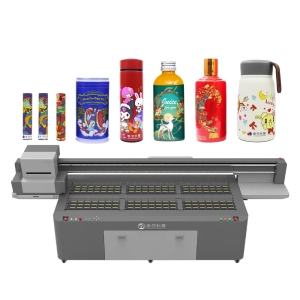

When choosing a UV printing solution, many customers first want to know one thing: is their product material suitable for printing? Both hard and soft materials are widely used in different industries, but their printing performance is not exactly the same. Materials such as acrylic, glass, and metal usually have smoother and more stable surfaces, making it easier to achieve fine details and clear patterns. Leather, soft plastics, and other flexible materials have different surface characteristics but can also achieve good printing results with the right process. In actual production, the material itself is only one factor. Surface preparation, ink selection, and printing settings also have a major impact on the final result.
Why Are Hard Materials More Popular in UV Printing Applications?
Hard materials are widely used in UV printing projects because they usually have stable structures and maintain their shape during the printing process. This makes it easier for printers to achieve accurate positioning and consistent results. For products that require detailed graphics and a premium appearance, hard materials can better showcase the advantages of UV printing.
Common applications include:
- Acrylic and glass surfaces are smooth and suitable for detailed patterns, logos, and fine graphic designs.
- Metal sheets can achieve a stronger premium appearance after proper treatment and are often used for signs and decorative products.
- Wooden panels can combine natural textures with customized UV printed designs.
Although hard materials usually provide stable printing performance, different materials still have different requirements. Glass surfaces are very smooth and may require adhesion testing before printing, while metal materials often need surface cleaning and preparation to ensure strong ink bonding. Proper preparation helps improve color consistency and graphic quality.
What Applications Can Soft Materials Have in UV Printing?
Many people used to think that UV printing was mainly designed for rigid materials. However, with improvements in printer technology and UV ink performance, soft materials have gradually become an important application area as well. Compared with hard materials, soft materials have more surface variations, so more attention needs to be paid to ink adhesion and durability.
Common application areas include:
- Leather products can be customized with printed designs, making bags, accessories, and decorative items more unique.
- Some soft plastic materials can be used for packaging, daily products, and customized applications.
- Flexible film materials can be used for advertising displays and large-area graphic printing.
The biggest feature of soft materials is that their surfaces may change more easily. Some materials are flexible, while others are more sensitive to environmental conditions. Before mass production, sample testing is usually recommended to check color performance, adhesion, and long-term durability to avoid production issues.
How Are Pre-Treatment Methods Different for Various Materials?
Poor UV printing results are not always caused by printer performance. In many cases, the material preparation process also plays an important role. Surface smoothness, absorption ability, and cleanliness can all affect how UV ink performs. Without proper preparation, problems such as weak adhesion and uneven colors may occur.
Before printing, it is important to consider:
- Dust and oil on the material surface should be removed to reduce the impact on printing quality.
- Smooth materials should be tested for adhesion to confirm ink bonding performance.
- Soft materials require attention to surface changes to maintain stable graphic results.
- Special materials may require adjusted printing parameters and customized processes.
Different materials require different preparation methods. Hard materials mainly focus on surface smoothness and cleanliness, while soft materials require more attention to ink adhesion. Testing before production helps improve efficiency and reduce unnecessary rework.
Why Can UV Printing Work on So Many Different Materials?
One of the biggest reasons UV printing is used across many industries is its ability to overcome the limitations of traditional printing methods. With UV ink curing technology, graphics can be directly printed onto various surfaces without complicated plate-making processes. It also provides greater flexibility for small-batch and customized production.
Common applications include:
- Gift boxes and cosmetic packaging can use UV printing to improve product appearance and premium feel.
- Advertising materials such as acrylic boards and PVC panels can be printed for display and decorative purposes.
- Customized products can achieve unique designs and personalized graphics.
- Industrial parts and equipment panels can use UV printing to improve product identification.
For manufacturers, UV printing provides more than just graphic customization. It increases design flexibility and allows different materials to achieve more creative visual effects.
What Factors Should Be Considered When Choosing UV Printing Materials?
When selecting printing materials, it is not simply about whether hard materials or soft materials are better. Different products have different requirements. Some focus on appearance, some require durability, and others need to meet special usage conditions.
Important factors include:
- Products used for a long time need to consider wear resistance and printing stability.
- Materials for special textures or 3D effects should provide better detail reproduction.
- Sample testing before mass production helps confirm color accuracy and adhesion.
- Different applications require different printing solutions to avoid additional adjustment costs later.
The right combination of material and UV printing process is essential for achieving the desired result. For businesses, confirming material characteristics in advance can save time and reduce production adjustments.
UV printing is not limited to hard materials, nor is it only suitable for soft materials. Hard materials such as acrylic, glass, and metal can deliver clear and detailed graphics, while soft materials such as leather and flexible plastics provide more possibilities for customized product designs. As industries such as packaging, advertising, manufacturing, and personalized products continue to grow, UV printing is helping more businesses overcome material limitations and create products with richer and more attractive visual effects.