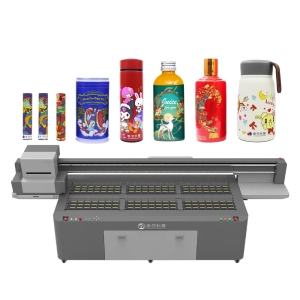
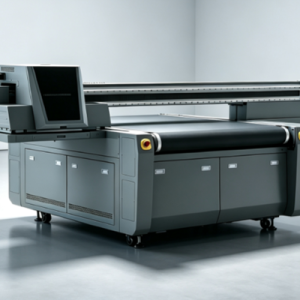
During the UV printing process, many users find that the same printer and ink can produce completely different results on different materials. Some surfaces show bright colors, clear patterns, and strong adhesion, while others may experience problems such as poor ink adhesion, blurred edges, or unstable printing effects. In many cases, the issue is not caused by the equipment itself, but by insufficient material preparation before printing. Different materials have different surface structures, smoothness, and chemical properties, all of which affect ink performance. Proper pre-treatment before printing can improve UV printing quality, reduce production losses, and enhance the overall product appearance.
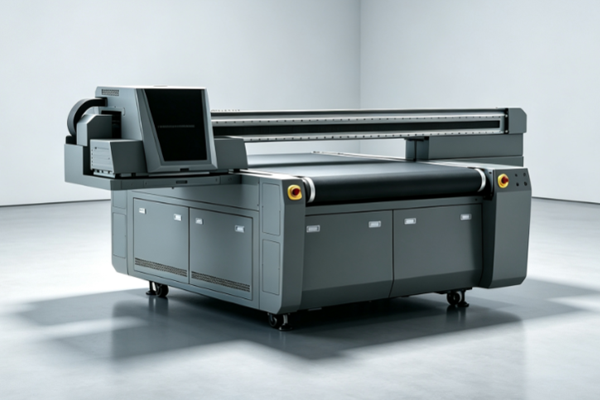
Smooth Materials Require Special Attention to Surface Adhesion
Materials such as acrylic, glass, and certain plastics usually have smooth surfaces. Although they provide excellent appearance and texture, their low surface absorption can make ink adhesion more challenging. If dust, oil, or static electricity remains on the surface, the stability of the printed pattern may be affected.
Before printing on these materials, it is important to:
- Remove surface contaminants: Clean dust, fingerprints, and oil stains to ensure even ink coverage.
- Check the surface condition: Make sure there are no scratches, leftover protective films, or other issues that may affect printing quality.
- Test ink adhesion: Different materials may react differently with UV ink, so testing in advance helps avoid problems during mass production.
For high-quality applications such as display boards, transparent packaging, and decorative panels, careful preparation helps achieve clearer images and more stable surface effects.
Metal Materials Need Surface Preparation to Improve Ink Adhesion
Metal materials are widely used for signs, equipment panels, metal housings, and decorative products. Since metal surfaces are usually dense and non-absorbent, proper preparation is essential before UV printing.
Common preparation steps include:
- Removing oxidation and contaminants: Stored metal materials may develop oxidation layers or surface impurities that need to be cleaned before printing.
- Maintaining surface smoothness: Uneven areas may affect printing accuracy and graphic quality.
- Choosing treatment methods based on application needs: Outdoor products and indoor display products have different requirements for printing durability.
For metal UV printing, color performance is not the only consideration. Long-term adhesion, wear resistance, and stability are also important. Proper surface treatment helps ink bond firmly with the metal surface.
Wood Materials Require Surface Smoothing and Moisture Control
Wood is widely used in furniture panels, creative products, and decorative applications because of its natural texture. Compared with glass and metal, wood has more surface variations, including different grain patterns, pores, and absorption levels.
Before printing on wood, pay attention to:
- Removing rough areas and surface imperfections: This helps maintain printing accuracy and complete pattern reproduction.
- Keeping the material dry: Changes in moisture levels may affect printing performance, so proper storage conditions are important.
- Cleaning surface dust: Wood processing can create dust particles that reduce print quality.
With proper preparation, wood can combine natural grain characteristics with customized UV printing designs, creating unique and attractive product appearances.
Plastic Materials Require Different Treatments Based on Material Type
Plastic is one of the most common materials used in UV printing, including electronic housings, packaging containers, and consumer products. However, different types of plastics have different surface properties, so they cannot all be treated in the same way.
Before printing, consider:
- Identifying the plastic type: ABS, PVC, PP, PET, and other plastics have different levels of ink adhesion.
- Checking for mold release agents: Some plastic products may contain surface residues from manufacturing that affect printing.
- Performing small-scale printing tests: Sample testing allows adjustments to ink and printer settings before full production.
- Maintaining surface cleanliness: Reducing contaminants helps improve color accuracy and pattern quality.
Plastic products are often produced in large quantities, making consistency especially important. Proper material testing before production can reduce rework and improve overall efficiency.
Special Materials Require Proper Process Matching Before Printing
Besides common materials, UV printing can also be applied to leather, ceramics, composite panels, and other specialty surfaces. These materials have unique structures and require different preparation methods based on their characteristics.
During production, consider:
- Selecting suitable processes according to material properties: Different surfaces require different printing parameters and preparation methods.
- Considering the final usage environment: Products used outdoors, frequently touched, or exposed to high temperatures require stronger printing stability.
- Testing overall results in advance: Sample verification helps confirm color accuracy, adhesion, and texture performance before official production.
Material preparation is not just a simple cleaning step. It is an important part of achieving high-quality UV printing results. Proper matching between materials and printing solutions helps create more stable and attractive products.
The advantage of UV printing is its ability to work on a wide range of materials and create various graphic and surface effects. However, each material has its own preparation requirements before printing. By understanding material characteristics and completing proper cleaning, testing, and process adjustments, businesses can achieve clearer graphics, stronger adhesion, and better overall results. From acrylic and metal to plastic and wood, scientific pre-treatment methods help improve printing stability and enhance product appearance. SpringYprinter provides professional UV inkjet printing solutions to help businesses meet high-quality printing needs on different materials.