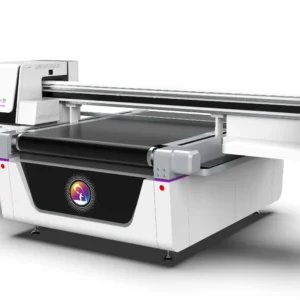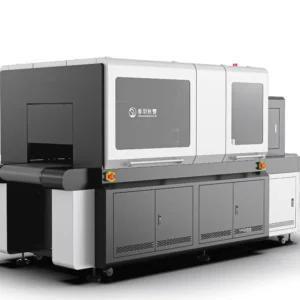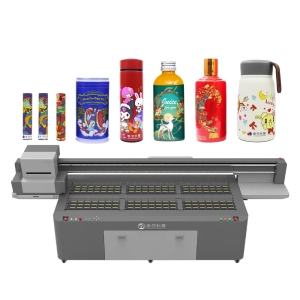
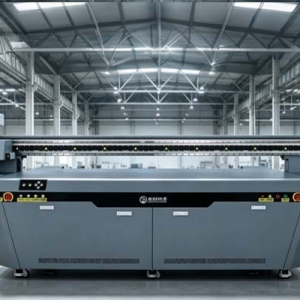
Industrial UV printers have become essential equipment for improving production capacity in industries such as advertising production, packaging printing, home appliance manufacturing, and decorative materials. When facing equipment with different brands, configurations, and price ranges on the market, companies often focus only on the initial purchase price while overlooking the overall long-term cost and stability during use. In fact, factors such as application scope, printing quality, production efficiency, maintenance costs, and manufacturer service capabilities all directly affect the user experience and return on investment. Understanding key considerations in advance can help businesses choose a more suitable industrial UV printer that truly meets their production needs and becomes a powerful tool for enhancing competitiveness.
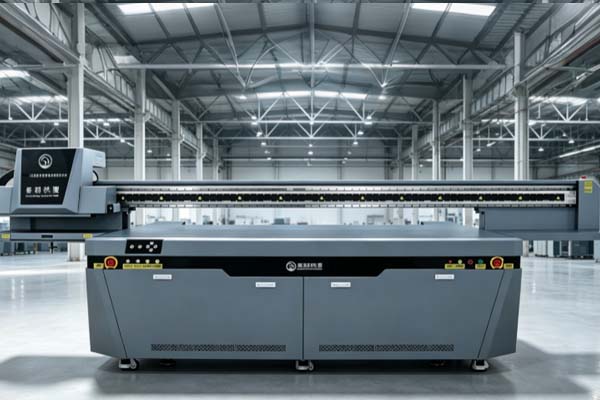
Clarify Equipment Application Requirements
Before comparing specific machine parameters, clearly defining your business needs is the key step to avoiding selection mistakes.
Determine Main Printing Materials
Different production scenarios require different materials, and the adaptability of a UV printer directly affects output quality and efficiency.
- Identify commonly used materials such as glass, acrylic, metal, wood, or leather, and confirm equipment compatibility
- Check printing results on different materials to avoid poor adhesion or fading issues
- Ensure material size and thickness are compatible with the machine platform
- Understand coating or pre-treatment requirements for special or smooth surfaces
- Choose printing methods such as flatbed, relief, or color printing based on product type
Once material requirements are clearly defined, mismatches between equipment and actual production can be avoided.
Analyze Actual Production Scale
Production scale directly determines model selection and capacity configuration. Incorrect estimation may lead to wasted capacity or production bottlenecks.
- Evaluate daily printing volume to match machine speed and stability
- Analyze batch order requirements to determine continuous operation capability
- Understand the proportion of small-batch customized orders to optimize job change efficiency
- Plan for business growth over the next 1–3 years to reserve capacity
- Match machine output with order rhythm to ensure stable delivery
Proper production planning improves equipment utilization and reduces resource waste.
Focus on Core Equipment Configuration
Core configuration determines the upper limit of print quality and is a key factor affecting long-term user experience.
Understand Printing System Performance
The printing system is the core of a UV printer and directly affects output quality, color performance, and operational stability.
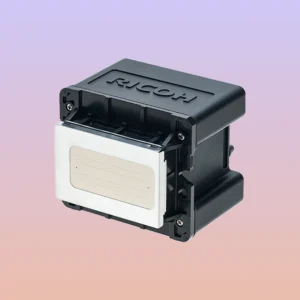
- Pay attention to printhead model, precision, and lifespan, which affect clarity and maintenance cost
- Understand minimum droplet size and image reproduction capability, which influence detail quality
- Ensure color output stability to reduce batch variation
- Support functions such as white ink and varnish for expanded applications
- Evaluate long-term continuous production stability to reduce clogging and downtime risks
A high-quality printing system improves output quality and expands application possibilities.
Check Mechanical Structure Design
The mechanical structure determines machine stability and service life and is a critical factor in industrial equipment selection.
- Inspect frame material strength to ensure stable operation
- Check platform load capacity to prevent printing deviation
- Verify positioning accuracy to ensure consistent repeat printing
- Evaluate durability of guide rails, lead screws, or belt transmission systems
- Confirm noise levels to suit long-term production environments
A stable mechanical structure reduces failure rates and improves production efficiency.
Understand Production Cost Investment
Equipment cost is not only reflected in the purchase stage but also in long-term operation.
Calculate Equipment Operating Costs
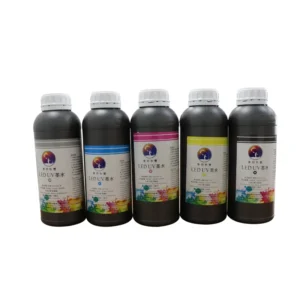
When purchasing an industrial UV printer, it is necessary to comprehensively evaluate long-term operating costs, including consumables such as ink and cleaning solutions, while also considering ink utilization efficiency to avoid waste. In addition, the replacement cycle and cost of key components such as printheads, UV lamps, or filtration systems should be assessed. Energy consumption, including UV curing systems and overall power usage, should also be calculated. Finally, a comprehensive analysis of total operating expenses is required to determine the true investment payback period.
Focus on Production Efficiency Improvement
While controlling costs, efficiency improvements brought by the equipment are equally important for profitability.
- Reduce manual operation time, improve automation, and decrease reliance on skilled labor
- Increase order delivery speed and enhance responsiveness
- Reduce rework and repeated processing, lowering production waste
- Improve product added value and strengthen market competitiveness
- Expand order capacity and broaden business scope and customer base
Once production efficiency improves, equipment investment can usually be recovered more quickly.
Evaluate Manufacturer Service Capability
Equipment is not only a hardware investment but also a reflection of long-term service and technical support systems.
Understand Technical Support Level
It is necessary to confirm whether the manufacturer provides installation and commissioning services to ensure quick production startup. Training systems should be available to help operators get started quickly. Remote technical support capability is also important for timely problem resolution. In addition, after-sales response speed and service mechanisms should be evaluated to reduce downtime. A complete service system helps lower operational risks.
Assess Overall Manufacturer Strength
When selecting a supplier, the manufacturer’s overall strength determines long-term cooperation reliability.
- Review R&D experience and technical accumulation to assess equipment maturity
- Check industry application cases to evaluate adaptability
- Consider export experience as an indicator of product standardization level
- Evaluate after-sales service network and responsiveness
- Understand continuous upgrade capability to keep up with technological development
Manufacturers with strong overall capabilities usually provide more complete solutions.
In comprehensive evaluation, selection should consider application environment, equipment capability, investment cost, after-sales support, and future scalability. Only when equipment configuration matches production requirements can output quality be ensured while improving overall efficiency, thereby enhancing market competitiveness. Springyprinter focuses on the R&D of industrial digital printing equipment and is committed to providing stable and efficient UV printing solutions for customers.