In today’s increasingly competitive advertising industry, signs are no longer just simple tools for displaying information. They have become important carriers for companies to showcase their brand image and attract consumer attention. From store signs and exhibition displays to corporate logos and outdoor promotional boards, customers are demanding higher standards for advertising signs, including better visual quality, accurate details, and long-lasting performance. Traditional printing methods often face limitations when dealing with high-resolution graphics, complex designs, and customized requirements. With its high-precision output, excellent material compatibility, and stable color performance, UV printing technology has become an important solution for improving advertising sign production quality.
Common Precision Challenges in Advertising Sign Production
Although advertising signs may appear simple, the actual production process involves multiple factors, including design reproduction, material selection, color management, and long-term display performance. Especially for brand advertising and commercial space signage, even small differences can affect the overall visual impact. Therefore, advertising companies need more stable printing solutions to ensure every sign meets customer expectations.
Difficulty Reproducing High-Resolution Design Details
As companies place greater importance on brand presentation, advertising designs often include detailed logos, small text, and complex graphics. If printing accuracy is insufficient, the final appearance may not match the original design.
Common problems include:
- Blurred small text affecting readability
- Fine lines not being reproduced accurately
- Loss of details in high-resolution images
- Poor performance of complex color transitions
For the advertising industry, signs are not only used to deliver information but also to represent brand professionalism. Especially in premium commercial environments, insufficient detail performance can reduce the overall visual quality.
Different Materials Affect Printing Stability
Advertising signs are produced using various materials, such as acrylic, PVC, glass, and metal panels. Since each material has different surface characteristics, maintaining consistent printing quality can be challenging.
Main challenges include:
- Material surfaces affecting ink adhesion
- Different color performance on various materials
- Additional processing requirements for special materials
- Changes in visual quality during long-term use
Therefore, advertising manufacturers need to focus not only on printing speed but also on ensuring stable output quality across different materials.
Difficulty Maintaining Color Consistency in Mass Production
For chain brands and large commercial projects, a single order may include many advertising signs with the same specifications. Any color differences between production batches can affect brand consistency.
Main challenges include:
- Color variations between different production times
- Manual color adjustment errors
- Difficulty maintaining unified standards across batches
- Rework reducing production efficiency
Stable color management has become an important factor for advertising companies looking to improve service quality.
How UV Printing Improves Advertising Sign Precision?
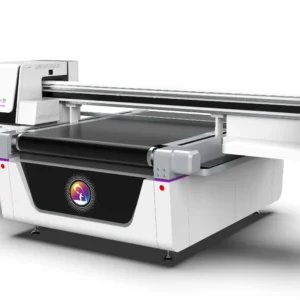
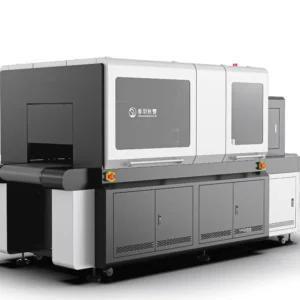
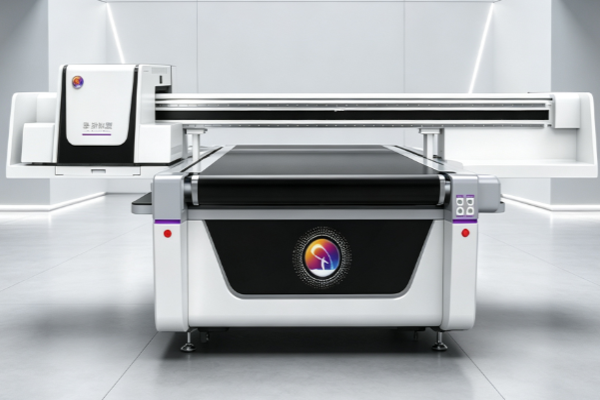
As the advertising industry moves toward digital production, UV printing has become an important technology for high-precision advertising sign manufacturing. Compared with traditional printing methods, UV printing can directly output designs from digital files, reducing intermediate processes. Combined with UV curing technology, it quickly fixes ink and achieves clearer, more stable printing results.
To better understand the differences between UV printing and traditional methods, the following comparison highlights the key advantages:
| Comparison Item | Traditional Printing Methods | UV Printing Advertising Sign Solution |
| Image Accuracy | Limited by production processes | High-definition precise output |
| Production Process | Multiple processing steps | Direct digital file printing |
| Material Compatibility | More limitations | Supports various materials |
| Color Stability | More variation risks | More stable digital control |
| Customization | Higher modification costs | Flexible and fast adjustments |
With UV printing technology, advertising companies can complete projects faster while meeting customers’ increasing demands for high-quality advertising signs.
High-Precision Output Improves Visual Effects
The main value of advertising signs is their ability to attract attention, and clear, detailed images can greatly enhance display performance. UV printing uses precise inkjet technology to reproduce design details more accurately.
Main advantages include:
- Clear presentation of brand logos
- Preservation of high-resolution image details
- Improved text sharpness
- Enhanced overall visual depth
High-precision printing helps companies create more professional advertising signs, allowing brand messages to be displayed more effectively to consumers.
Multi-Layer Printing Creates Richer Advertising Effects
In addition to standard graphic printing, UV printing can combine white ink and varnish functions to create more impressive visual effects and stronger design expression.
Applications include:
- White ink for enhanced background performance
- Gloss effects for improved surface texture
- Three-dimensional visual effects
- Greater depth on transparent materials
These special effects allow advertising manufacturers to meet more creative requirements, making them ideal for brand displays, premium stores, and commercial spaces.
Fast Customization Meets Changing Advertising Needs
The advertising industry frequently faces temporary promotions, product launches, and brand updates. Production speed directly affects project schedules. UV printing simplifies the workflow and makes customized production more flexible.
Its advantages include:
- Quick design file adjustments
- Support for small-batch production
- Shorter delivery cycles
- Lower testing costs
This fast response capability enables advertising companies to better adapt to market changes and improve customer satisfaction.
Wide Material Compatibility Expands Business Opportunities
Modern advertising production involves an increasing variety of materials. UV printing offers strong adaptability, helping companies expand their application range and take on more types of projects.
Common application materials include:
- Acrylic advertising boards
- PVC display panels
- Metal signage
- Glass decorative signs
Multi-material printing capabilities improve equipment utilization and allow advertising companies to serve a wider range of customers.
Key Control Processes for High-Precision UV Printing of Advertising Signs
To produce high-quality advertising signs, selecting the right UV printing equipment is only one part of the process. Proper design preparation, equipment adjustment, and quality inspection are also essential. A complete production workflow helps reduce errors, improve consistency, and ensure the final product meets customer requirements.
Optimize Design Files to Ensure Printing Results
Before production begins, advertising design files need to be reviewed carefully to ensure that dimensions, colors, and details meet printing requirements.
Main steps include:
- Confirming file size and proportions
- Checking image resolution
- Adjusting color modes
- Optimizing graphic layouts
Proper file preparation reduces later adjustments and helps achieve printing results closer to the original design.
Adjust Printing Parameters According to Materials
Different advertising materials have different ink performance characteristics. Printing parameters need to be adjusted based on actual materials to ensure stable output.
Key steps include:
- Testing material adhesion performance
- Adjusting printing modes
- Checking color reproduction
- Confirming finished product quality
Through preliminary testing, companies can reduce production issues and improve overall efficiency.
Establish Standardized Quality Control Processes
Advertising sign orders often involve multiple products. Without standardized management, quality differences may occur between products. Building a stable production process is essential.
Main measures include:
- Establishing unified production standards
- Controlling printing quality
- Maintaining equipment regularly
- Reducing rework situations
A complete production management system helps advertising companies consistently deliver high-quality signage products.
As the advertising industry continues to move toward higher quality and more personalized solutions, high-precision printing has become an essential requirement for advertising sign production. With advantages including high-definition output, stable colors, multi-material compatibility, and fast customization, UV printing provides advertising companies with a more efficient production method. By applying UV printing technology effectively, businesses can improve sign quality, meet customers’ growing visual demands, and gain stronger competitiveness in the market.