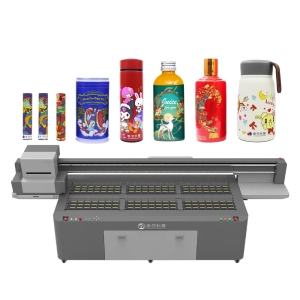
When it comes to texture printing, why do some products have rich layers, realistic textures, and a premium appearance, while others only look like ordinary printed patterns? Many businesses exploring 3D texture printing want to know whether the equipment can reproduce fine textures and improve the overall value of their products. In fact, achieving high-quality 3D texture effects with a UV printer is not simply about printing an image. It requires a combination of ink control, graphic design, printing layers, and material compatibility. By making full use of UV inkjet technology, businesses can create visual effects similar to embossed patterns, matte finishes, leather textures, and other premium surfaces, helping products stand out in packaging, advertising, decoration, and customization markets.
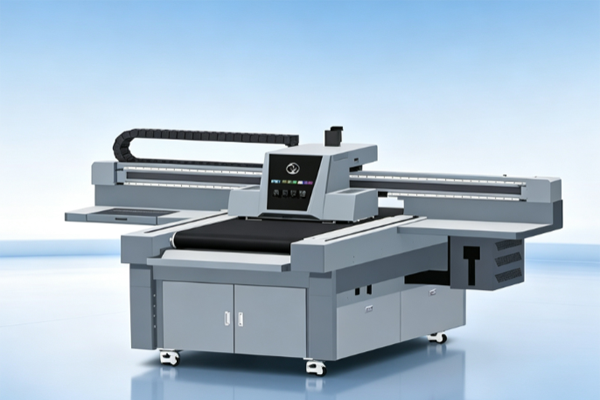
Precise Ink Layer Control Is the Foundation of 3D Texture Effects
The core of 3D texture printing is not changing the structure of the material itself, but using a UV printer to precisely control ink application and create richer visual depth on the surface. During printing, variations in ink layer thickness directly affect the final texture appearance.
To achieve high-quality texture effects, pay attention to:
- Controlling ink layering effects: Multiple ink applications can create stronger depth and make patterns appear more three-dimensional.
- Maintaining consistent ink distribution: Uneven ink application may cause unnatural textures and reduce overall appearance quality.
- Choosing suitable printing modes: Different texture designs require different printing resolutions and speeds to balance quality and efficiency.
For premium packaging, decorative panels, and other high-end products, textures need to look natural under different lighting conditions. This makes accurate ink layer control a critical part of the printing process.
High-Resolution Graphic Design Determines Texture Realism
Many businesses focus heavily on printer performance but overlook the importance of design files. 3D texture printing does not rely only on equipment capabilities. The quality of the design also directly affects the final result. A well-designed texture allows the UV printer to reproduce details more effectively and create stronger visual impact.
During the design stage, consider:
- Using lighting effects to enhance texture: Proper contrast between highlights and shadows can strengthen the three-dimensional appearance.
- Choosing suitable texture styles: Wood grain, leather, stone, and metallic effects require different design approaches.
- Improving image resolution: More detailed graphics can produce more realistic texture results.
- Considering the product application: Display products and frequently used products may have different texture requirements.
For example, premium gift boxes may focus on a refined appearance, while industrial decorative panels may prioritize durability and visual consistency. Designing textures based on product positioning helps maximize the advantages of 3D texture printing.
Different Materials Require Different Printing Solutions
UV printers can work with many types of materials, but different surfaces have different ink absorption, smoothness, and adhesion characteristics. Ignoring these differences may affect the final texture quality even when using advanced equipment.
Common materials require attention to:
- Acrylic materials: Smooth and transparent surfaces require good ink adhesion to maintain clear texture effects.
- Metal materials: Hard surfaces usually require proper cleaning and surface preparation to improve printing stability.
- Wood materials: Natural surface variations require adjustments based on the material characteristics and printing settings.
Besides the material itself, pre-print cleaning, ink selection, and curing performance also influence the final 3D texture effect. Testing materials in advance can reduce production issues and ensure more stable product quality.
Equipment Performance and Post-Printing Processes Affect Final Results
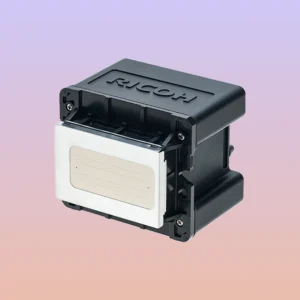
To achieve high-quality 3D texture printing, UV printer performance cannot be ignored. Printhead accuracy, printing stability, and ink curing performance all influence how textures appear.
During production, focus on:
- Printhead precision: High-accuracy printheads can better reproduce fine textures and complex patterns.
- Stable UV curing system: Proper curing improves image clarity and surface performance.
- Convenient operation and control: Reliable software and simple operation help improve production efficiency.
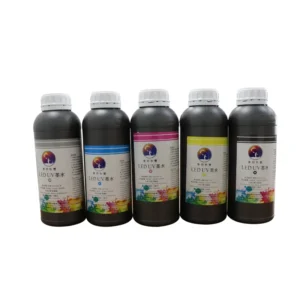
Businesses can also combine different ink effects to upgrade product appearance. For example, the combination of white ink, color ink, and varnish can create more visual variations on the surface. Properly matching equipment capabilities with printing techniques allows ordinary products to gain higher added value.
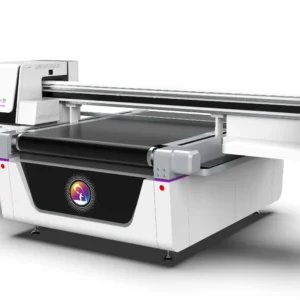
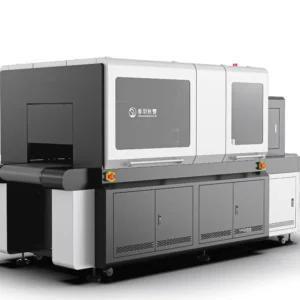
High-quality 3D texture printing is not achieved by a UV printer alone. It is the result of combining equipment performance, material selection, graphic design, and printing processes. By precisely controlling ink layers, optimizing texture designs, and selecting suitable materials, businesses can create richer surface effects and improve product competitiveness. From packaging and advertising displays to customized products, 3D texture printing is becoming an important solution for enhancing product appearance and value. SpringYprinter provides professional UV inkjet printing solutions to help businesses achieve high-quality 3D texture printing effects and customized applications on various materials.