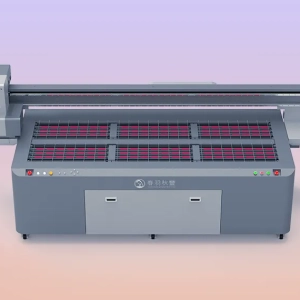
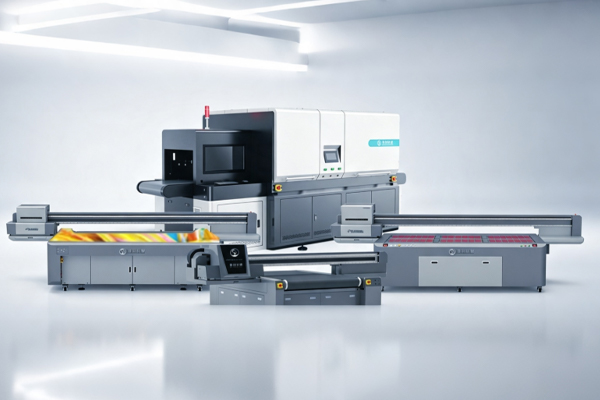
With the increasing demand for advertising production, packaging customization, gift processing, and industrial product decoration, UV printing has become a popular printing technology for many businesses due to its rich colors, wide material compatibility, and high production efficiency. However, during actual production, many users may encounter problems such as poor ink adhesion, inaccurate color output, printhead clogging, and unstable equipment operation. These issues can affect product quality and increase production costs. Understanding common UV printing problems and their solutions can help businesses reduce waste, improve equipment efficiency, and achieve more stable printing results.
Why Is UV Printing Ink Adhesion Poor?
During the UV printing process, the adhesion of printed graphics is an important factor affecting product quality. If printed designs easily peel off, scratch, or crack, the problem is usually related to surface preparation, ink selection, or curing performance. Different materials have different surface characteristics, so suitable printing methods are required to achieve strong adhesion.
Common causes and solutions include:
- Dust, oil, or other contaminants on the material surface can reduce adhesion. The surface should be cleaned before printing to improve ink bonding.
- Some smooth materials such as glass and metal may require primer treatment to enhance UV ink adhesion.
- Insufficient UV curing strength may prevent ink from drying completely. Check UV lamp performance and curing parameters to ensure proper curing.
In actual production, testing material compatibility in advance can effectively reduce rework and improve UV printing stability.
How to Solve Inaccurate Colors in UV Printing?
Color performance is one of the main reasons customers choose UV printing. Especially in packaging, advertising, and branded product customization, accurate color reproduction directly affects product appearance and value. If colors appear different, dull, or lack detail, the issue may come from printing settings, ink quality, or equipment conditions.
The main factors affecting color quality include:
- Incorrect color mode settings in design files. Use suitable formats for UV printing and apply proper color management.
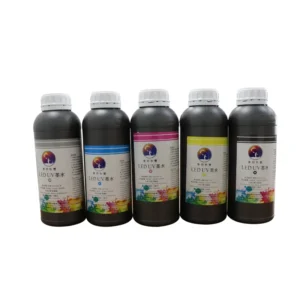
- Unstable ink quality can reduce color brightness and saturation. Choosing high-quality UV ink compatible with the printer is important.
- Low printing resolution settings may affect details and image quality. Adjust printing modes according to product requirements.
For businesses requiring premium customized products, proper parameter adjustment and regular equipment calibration can improve color consistency in UV printing.
What Should You Do If the UV Printer Printhead Is Clogged?
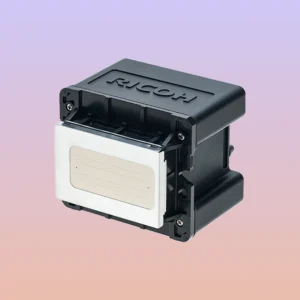
The printhead is one of the most important components of a UV printer and directly affects printing speed and quality. During long-term operation, insufficient maintenance may cause problems such as clogged nozzles, interrupted ink flow, or missing print lines. These issues can reduce production efficiency and increase maintenance costs.
Solutions for printhead problems include:
- Clean the printhead regularly to prevent dried UV ink from causing blockages.
- Maintain a stable working environment and reduce the impact of dust and temperature changes on printhead performance.
- Use reliable UV ink to reduce the risk of printhead damage caused by impurities.
Generally, UV printer printhead prices vary depending on brand and model. Replacement costs can range from several thousand RMB to more than ten thousand RMB. Regular maintenance is usually more cost-effective than frequent component replacement.
How to Improve Slow UV Printing Speed and Low Production Efficiency?
Besides printing quality issues, production efficiency is another major concern for businesses. Some users find that their UV printing equipment cannot meet order requirements due to limitations in machine configuration, printing modes, or production workflow.
Production efficiency can be improved through:
- Selecting suitable printing modes based on order requirements instead of always using high-resolution settings that reduce speed.
- Planning product layouts in advance to improve material utilization and reduce repeated operations.
- Choosing faster and more stable UV printing equipment to increase overall production capacity.
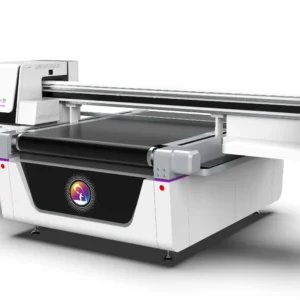
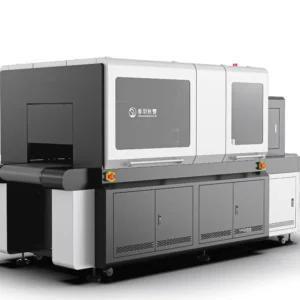
Currently, UV printer prices vary significantly. Small UV printers usually cost around RMB 30,000 to RMB 150,000, medium-sized UV flatbed printers are generally priced between RMB 150,000 and RMB 300,000, while industrial-grade equipment may cost over RMB 300,000. Businesses should select equipment according to their production scale to avoid performance limitations affecting future growth.
UV printing offers advantages such as wide application range and excellent printing quality, but businesses still need to pay attention to equipment maintenance, material compatibility, and production parameter adjustments during actual operation. By properly solving common printing issues, companies can improve print quality, reduce equipment wear, and lower production costs. For businesses looking to enhance their product customization capabilities, choosing reliable UV printing equipment is an important step toward improving market competitiveness. SpringYprinter provides professional UV printing equipment solutions to help businesses achieve efficient and high-quality product printing production.