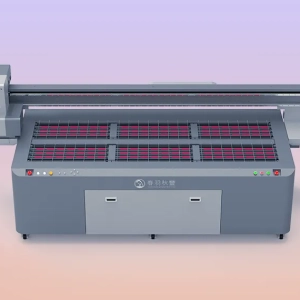
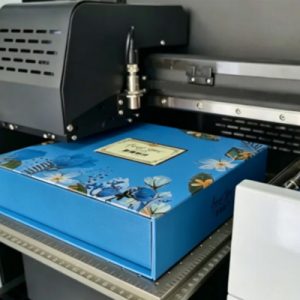
Packaging is no longer limited to protecting products during transportation. It has become a powerful marketing tool that enhances brand identity, improves customer experience, and increases product value. As consumers increasingly prefer premium packaging with distinctive visual appeal and tactile quality, conventional flat printing methods can no longer satisfy the demand for luxury packaging. Industrial UV 3D embossed printing combines digital inkjet technology with multi-layer UV ink deposition to produce realistic raised textures directly on paperboard, corrugated cardboard, PVC, acrylic, wooden boxes, and various composite materials. This advanced manufacturing process creates premium packaging with exceptional visual depth while supporting rapid design changes, customized production, and high-volume manufacturing without complicated plate-making procedures.
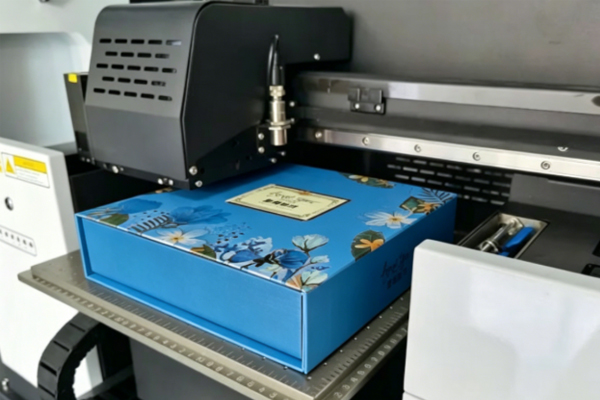
Working Principle of 3D Embossed Printing for Packaging
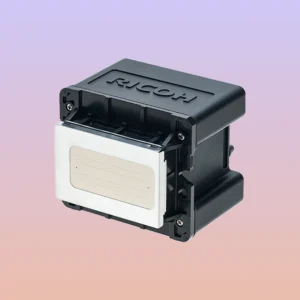
Industrial UV 3D embossed printing uses high-precision piezoelectric printheads to transfer graphics, colors, and embossing height data from digital design files directly onto packaging materials. During printing, UV ink is deposited layer by layer according to preset thickness values. Each printed layer is immediately cured by ultraviolet light before the next layer is applied, gradually building durable embossed textures with realistic depth and tactile effects.
A standard production workflow includes:
- Create a digital packaging design with graphics, colors, and embossing data.
- Use RIP software to calculate printing paths, ink volume, and embossing layers automatically.
- Print UV ink layer by layer using industrial high-precision printheads.
- Instantly cure every printed layer with ultraviolet light.
- Build additional embossed layers according to product design requirements.
- Complete quality inspection before die cutting, assembly, or packaging.
This fully digital production process ensures outstanding image quality while producing highly detailed embossed textures that enhance the appearance of premium packaging.
How 3D Embossed Packaging Increases Brand Value
Packaging is often the first physical interaction between consumers and a product. By applying 3D embossed printing, manufacturers can create raised brand logos, artistic textures, wood grain, leather finishes, marble effects, and decorative patterns that immediately communicate premium quality. Digital production enables designers to modify artwork quickly without manufacturing new printing plates, making it ideal for seasonal collections, promotional campaigns, luxury gift boxes, limited editions, and personalized packaging. Faster product development, greater design flexibility, and premium decorative effects help companies strengthen brand recognition while improving the commercial value of their products.
Advantages of 3D Embossed Printing in Packaging Manufacturing
Continuous improvements in industrial UV printing equipment provide packaging manufacturers with stable, efficient, and flexible production capabilities.
Major advantages include:
- Plate-Free Digital Production:Packaging can be printed directly from digital files without producing screens or engraving molds, reducing preparation time and manufacturing costs.
- Realistic Three-Dimensional Textures:Multi-layer UV ink deposition creates embossedJ lettering, raised logos, wood grain, leather textures, geometric patterns, and artistic decorative surfaces that significantly improve packaging quality.
- Wide Material Compatibility:Industrial UV printers support paperboard, corrugated cardboard, rigid cardboard, PVC sheets, acrylic panels, wooden boxes, and numerous composite packaging materials.
- Flexible Digital Manufacturing:Packaging designs can be updated instantly through digital artwork, making the technology suitable for sample production, customized orders, and continuous mass manufacturing.
- Excellent Wear Resistance:Instant UV curing creates durable ink layers with outstanding resistance to scratches, abrasion, stains, and transportation-related damage.
- Reduced Material Waste:Precise ink control improves material utilization, minimizes waste, and lowers production costs while maintaining consistent print quality.
These advantages enable packaging manufacturers to improve production efficiency while creating premium packaging with greater market appeal.
Typical Applications of 3D Embossed Printing in the Packaging Industry
UV 3D embossed printing has become widely used for cosmetic packaging, premium wine boxes, tea gift boxes, consumer electronics packaging, jewelry boxes, luxury gift packaging, creative cultural products, food gift boxes, and seasonal promotional packaging. Premium cosmetic brands use embossed logos and refined textures to strengthen their luxury image. Wine gift boxes combine natural wood grain and raised decorative patterns to increase perceived value. Consumer electronics packaging highlights brand elements through localized embossed printing for greater visual impact. Creative gift packaging benefits from digital production by allowing manufacturers to quickly launch limited-edition designs while maintaining consistent quality throughout the production process.
Best Practices for Using 3D Embossed Printing Equipment in Packaging Production
Producing premium embossed packaging requires standardized production management together with optimized printer settings for different packaging materials.
Recommended operating procedures include:
- Thoroughly clean packaging materials before printing to remove dust, oil, and contaminants.
- Adjust the print platform and printhead height according to substrate thickness.
- Configure print resolution, ink layer quantity, embossing height, and production speed.
- Optimize UV lamp intensity to ensure complete curing after every printed layer.
- Produce sample prints to verify color accuracy, embossing height, and ink adhesion.
- Begin full-scale production after confirming all printing parameters.
- Apply transparent protective coatings when additional wear resistance or gloss enhancement is required.
- Perform routine maintenance on printheads, ink supply systems, guide rails, and UV curing units to maintain reliable long-term production.
Standardized operating procedures ensure consistent color reproduction, stable embossed textures, and reliable product quality across different production batches while improving manufacturing efficiency and reducing maintenance costs.
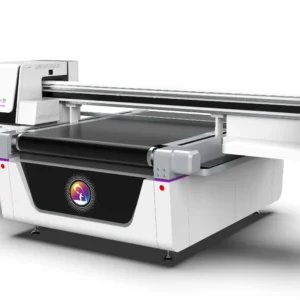
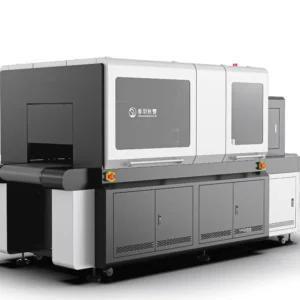
As packaging continues to play an increasingly important role in product marketing, industrial UV 3D embossed printing has become a valuable technology for premium packaging production. With digital manufacturing, high-precision inkjet printing, realistic embossed textures, broad material compatibility, and rapid design flexibility, industrial UV printers enable companies to create luxury packaging, branded gift boxes, and customized decorative products that deliver outstanding visual impact, superior tactile quality, and greater commercial value.