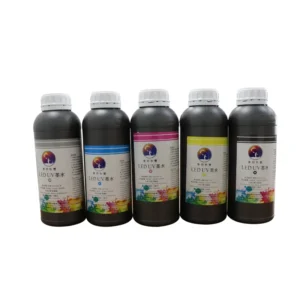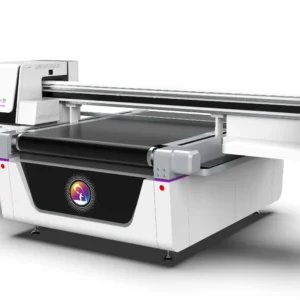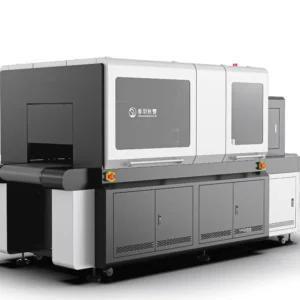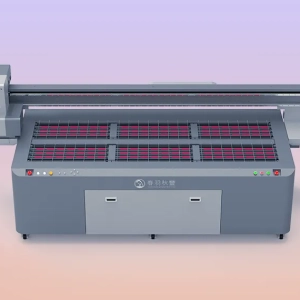
As digital inkjet technology continues to advance, UV 3D texture printing has become one of the most important solutions for industrial surface decoration. Unlike conventional printing methods, it not only produces high-resolution full-color graphics but also creates realistic three-dimensional textures through multi-layer UV ink deposition. This technology significantly enhances product appearance, tactile experience, and overall value. Thanks to the excellent adhesion of industrial UV inks and instant UV curing technology, modern UV printers can process a wide variety of materials efficiently. From architectural decoration and furniture manufacturing to consumer electronics and advertising displays, more industries are adopting UV 3D texture printing to improve product quality while achieving flexible digital production.
Working Principle of UV 3D Texture Printing on Various Materials
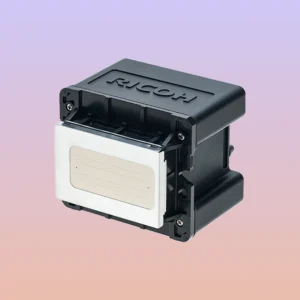
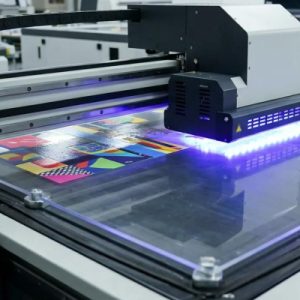
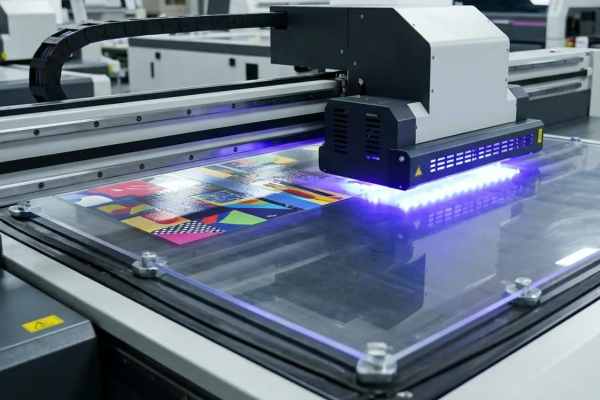
UV 3D texture printing utilizes industrial piezoelectric printheads to accurately deposit UV ink onto the surface of different substrates according to digital design files. The printing system precisely controls droplet placement, ink volume, printing paths, and texture height to reproduce both vivid colors and realistic embossed textures. After each printed layer is completed, ultraviolet lamps instantly cure the ink before the next layer is applied, gradually building a durable three-dimensional surface.
A typical production workflow includes:
- Create a digital design containing colors, graphics, and texture height information.
- Use RIP software to generate printing paths and ink management parameters automatically.
- Deposit UV ink layer by layer using high-precision industrial printheads.
- Cure each printed layer immediately with ultraviolet light to stabilize the embossed structure.
- Repeat the printing and curing process until the required texture depth is achieved.
- Perform quality inspection or continue directly to packaging and subsequent production processes.
This digital manufacturing process ensures sharp image quality, consistent embossed textures, and reliable printing performance across different material types.
Business Value of Broad Material Compatibility
For modern manufacturers, the ability to process numerous materials using a single production system significantly improves operational flexibility while reducing equipment investment. UV 3D texture printing enables companies to decorate glass, wood, metal, plastics, leather, ceramics, and many other substrates without changing production equipment. Designers can update digital artwork instantly to create new products without modifying hardware, greatly shortening product development cycles while supporting customized production, short-run manufacturing, and continuous large-scale production. This flexible digital workflow helps manufacturers expand product portfolios, maximize equipment utilization, reduce operational costs, and strengthen overall market competitiveness.
Major Material Types Supported by UV 3D Texture Printing
Continuous improvements in industrial UV printing equipment have greatly expanded the range of compatible materials.
Common supported materials include:
- Wood and Wood-Based Panels:Natural wood, MDF, plywood, laminated boards, and decorative panels can all be printed with realistic wood grain, artistic textures, embossed patterns, and decorative graphics for furniture and interior decoration.
- Glass and Acrylic:Standard glass, tempered glass, acrylic sheets, and transparent decorative panels can be printed directly to produce wall art, decorative partitions, display panels, signage, and premium interior decoration.
- Metal Materials:Aluminum, stainless steel, copper, and other metal substrates support direct UV printing for industrial nameplates, decorative graphics, embossed logos, branding elements, and customized metal products.
- Plastic and PVC Materials:PVC boards, ABS, PC, PET, and other engineering plastics can be processed for advertising displays, electronic device housings, industrial components, and commercial products.
- Leather and Flexible Materials:Genuine leather, PU leather, PVC leather, microfiber leather, and other flexible materials can be decorated with realistic embossed textures for handbags, footwear, upholstered furniture, and automotive interiors.
- Ceramic and Stone Materials:Ceramic tiles, porcelain panels, engineered stone, marble, and decorative stone surfaces support premium-quality texture printing for architectural decoration and artistic applications.
- Composite Materials:Honeycomb panels, decorative composite boards, engineered materials, and various industrial composite products can all be customized with high-resolution graphics and embossed textures according to specific production requirements.
This broad material compatibility enables industrial UV printers to support a wide range of industries while allowing manufacturers to continuously expand their product offerings.
Typical Applications of UV 3D Texture Printing
UV 3D texture printing is now widely used across furniture manufacturing, architectural decoration, advertising signage, consumer electronics, customized gifts, packaging, creative products, automotive interiors, leather goods, commercial displays, and numerous industrial applications. Manufacturers can create wood grain, marble textures, leather finishes, fabric patterns, embossed logos, artistic graphics, and decorative raised surfaces according to specific product requirements. Digital production supports rapid prototyping, customized manufacturing, and continuous mass production, helping companies improve production efficiency while meeting growing demand for personalized products.
Best Practices for Printing Different Materials with UV 3D Texture Technology
Achieving consistent printing quality across various materials requires optimized equipment settings and standardized production procedures.
Recommended operating practices include:
- Thoroughly clean the substrate to remove dust, oil, and contaminants before printing.
- Adjust the print platform and printhead height according to material thickness.
- Configure printing resolution, ink volume, texture height, and production speed based on material characteristics.
- Optimize UV lamp intensity to ensure complete curing after every printed layer.
- Produce test samples to verify color accuracy, texture quality, and ink adhesion.
- Begin full production after confirming all printing parameters.
- Apply transparent protective coatings when additional weather resistance or scratch protection is required.
- Perform regular maintenance on printheads, ink supply systems, guide rails, and UV curing units to maintain stable long-term performance.
Standardized production management allows industrial UV printers to deliver consistent color reproduction and realistic embossed textures across a wide variety of substrates while improving equipment utilization and reducing production waste.
As digital manufacturing technologies continue to evolve, UV 3D texture printing has become an essential solution for modern industrial decoration. With outstanding material compatibility, high-precision inkjet technology, realistic multi-layer embossed textures, and intelligent digital production, industrial UV printers enable manufacturers to produce premium decorative products on wood, glass, metal, plastics, leather, ceramics, and numerous composite materials while expanding product innovation and improving overall market competitiveness.