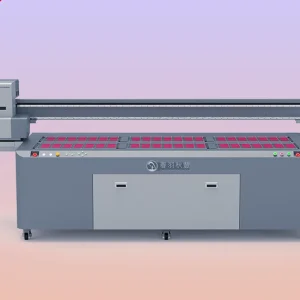
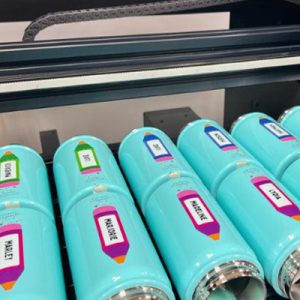
As industrial manufacturing continues to move toward digital production and product customization, surface decoration technologies are evolving rapidly. Screen printing has long been used in packaging, electronics, advertising signage, home decoration, and industrial components because of its efficiency in large-volume production. However, as product life cycles become shorter and demand for customized designs continues to increase, traditional screen printing faces limitations when producing complex graphics, realistic textures, and personalized products. UV 3D printing combines digital workflow, high-precision inkjet technology, multi-layer ink deposition, and instant ultraviolet curing to produce both vibrant graphics and realistic embossed textures. This advanced manufacturing process provides greater flexibility, higher efficiency, and superior decorative quality for modern industrial production.
Differences Between the Working Principles of UV 3D Printing and Screen Printing
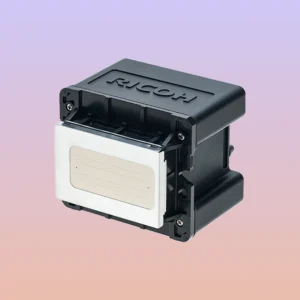
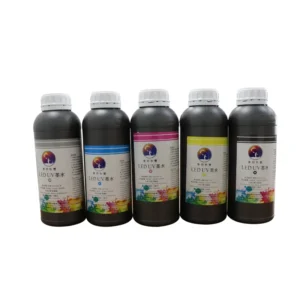
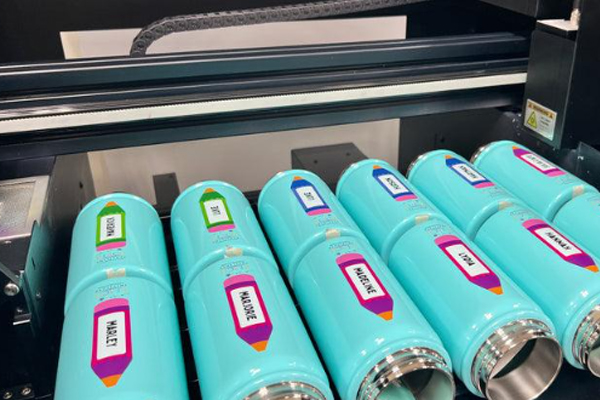
UV 3D printing uses industrial piezoelectric printheads to deposit UV ink directly onto the substrate according to digital artwork. After each printed layer is completed, ultraviolet lamps instantly cure the ink before the following layer is applied. By repeating this process, the printer gradually builds realistic three-dimensional embossed textures without requiring any printing plates.
The primary differences between the two technologies include:
- UV 3D printing is fully controlled by digital design files without requiring printing plates.
- Screen printing requires screens to be produced before printing can begin.
- UV 3D printing supports multi-layer ink deposition for realistic embossed textures.
- Screen printing mainly produces flat graphics with limited surface depth.
- UV 3D printing allows rapid artwork modification for customized production.
- Screen printing is generally more suitable for long production runs using identical artwork.
This digital production workflow gives UV 3D printing significantly greater flexibility while reducing production preparation time.
How UV 3D Printing Increases Product Value
As market competition becomes increasingly intense, product appearance plays a critical role in attracting customer attention and strengthening brand identity. UV 3D printing creates embossed logos, wood grain, marble textures, leather finishes, artistic graphics, and tactile decorative surfaces that greatly improve both visual appeal and customer experience. Because production is entirely digital, manufacturers can quickly produce samples, develop new products, and fulfill customized orders without creating new printing screens. Faster product development, shorter delivery times, and greater design freedom enable companies to introduce premium products with higher commercial value while responding quickly to changing customer requirements.
Technical Advantages of UV 3D Printing Over Screen Printing
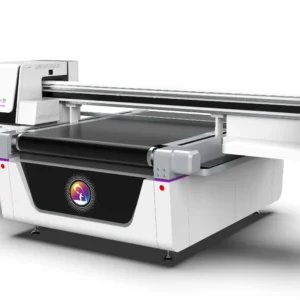
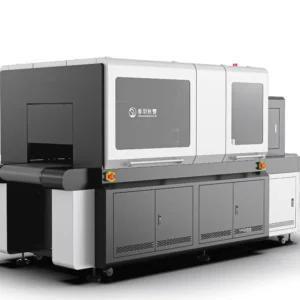
Continuous improvements in industrial UV printing equipment have expanded the capabilities of digital printing while delivering highly stable manufacturing performance.
Key advantages include:
- No Printing Plates Required:Manufacturers can begin production immediately after updating digital artwork, significantly reducing setup time, labor requirements, and production costs.
- Realistic Three-Dimensional Embossed Textures:Multi-layer ink deposition produces raised decorative surfaces with measurable depth that traditional screen printing cannot easily achieve.
- Broad Material Compatibility:Industrial UV printers support direct printing on glass, acrylic, metal, wood, PVC panels, ceramic materials, leather, plastics, and numerous composite substrates.
- Flexible Manufacturing for Customized Production:The technology supports single-piece customization, short production runs, and continuous large-scale manufacturing without additional tooling.
- Superior Image Quality:High-resolution printing accurately reproduces gradients, fine details, photographic images, decorative textures, and complex graphics with exceptional precision.
These advantages make UV 3D printing an increasingly popular solution for companies seeking premium decorative quality and highly efficient production.
Typical Applications of UV 3D Printing
UV 3D printing has become widely adopted across numerous industries, including advertising signage, electronic device housings, furniture panels, architectural decoration, customized gifts, packaging, leather products, automotive interiors, creative products, handicrafts, retail displays, and commercial branding. Manufacturers can quickly produce embossed logos, raised lettering, wood grain, marble finishes, concrete textures, and artistic decorative graphics according to different product requirements. Digital production also supports rapid sampling, personalized manufacturing, and continuous mass production, allowing businesses to improve efficiency while satisfying the growing demand for customized products.
Best Practices for Operating UV 3D Printing Equipment
Achieving premium printing quality requires standardized production procedures together with optimized printer settings for different substrate materials.
Recommended operating procedures include:
- Thoroughly clean the substrate to remove dust, oil, and contaminants.
- Adjust the print platform and printhead height according to material thickness.
- Configure print resolution, ink layer quantity, texture height, and printing speed.
- Optimize UV lamp intensity to ensure complete curing after every printed layer.
- Produce test samples to verify color accuracy, ink adhesion, and embossed texture quality.
- Begin continuous production after confirming all printing parameters.
- Apply a transparent protective coating to improve wear resistance and weather durability.
- Perform regular maintenance on printheads, ink supply systems, guide rails, and UV curing units to ensure reliable long-term operation.
Standardized production procedures help maintain consistent print quality and embossed textures across different manufacturing batches while improving production efficiency, reducing maintenance costs, and ensuring long-term equipment stability.
As digital manufacturing technologies continue to advance, UV 3D printing is gradually replacing certain traditional screen printing applications. With plate-free production, high-precision printing, realistic embossed textures, broad material compatibility, and flexible digital workflows, industrial UV printers enable manufacturers to improve product quality, accelerate production, strengthen brand competitiveness, and satisfy the growing demand for customized decorative products.