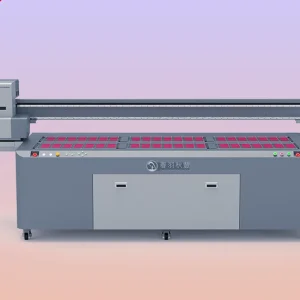
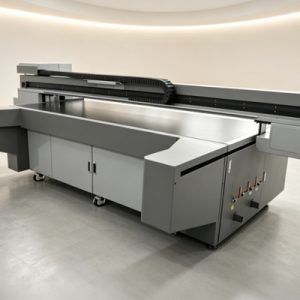
With the increasing demand for customized products, more businesses are exploring graphic processing on special-shaped and complex materials. From personalized gifts and industrial components to creative decorations and branded display products, traditional printing methods are often limited by material shapes, surface curves, and processing techniques. UV printing, with advantages such as direct printing, strong material adaptability, and digital control, can overcome the limitations of flat printing and achieve high-quality graphic output on various irregular surfaces. So, why can irregular materials be printed with UV printing, and how can businesses choose the right printing methods and equipment to achieve stable and efficient production?
The Basic Principle of UV Printing on Irregular Materials
The biggest challenge of irregular materials is their complex surface structure, which may include curved areas, uneven surfaces, recessed sections, or angled parts. These characteristics create higher requirements for traditional printing processes. UV printing uses inkjet technology to accurately apply graphics onto product surfaces by precisely controlling the distance between the printhead and the material.
UV printing on irregular materials mainly relies on:
- Digital printing technology, which adjusts printing files and output parameters according to product surface characteristics
- Precise positioning systems, which help the printhead accurately identify printing areas and reduce graphic alignment issues
- UV curing technology, which quickly dries the ink and creates stable adhesion on the material surface
Compared with traditional processes that require templates or printing plates, UV printing offers greater flexibility when handling products with different shapes and provides more possibilities for customized production.
What Irregular Materials Are Suitable for UV Printing?
As UV printing technology continues to develop, its application range has expanded from standard flat materials to various special-shaped products. As long as the material surface can properly hold ink and receives suitable treatment, high-quality printing results can be achieved.
Common application materials include:
- Wood, stone, glass, and other natural or decorative materials for artistic patterns and personalized designs
- Plastic products, electronic housings, and industrial components for branding and surface decoration
- Metal products, crafts, and customized gifts to improve visual appeal and product value
- Acrylic, leather, and other materials used for advertising displays and creative product manufacturing
These applications require high printing accuracy and equipment adaptability, and UV printing can meet different production needs through flexible digital printing technology.
How Does UV Printing Solve the Challenges of Irregular Surfaces?
Compared with flat materials, irregular products create challenges such as changing surface heights and difficult positioning. If the printer cannot accurately control the distance between the printhead and the material, problems such as uneven colors, blurred graphics, or poor ink adhesion may occur.
Solutions for these challenges include:
- Using height detection and automatic adjustment functions to optimize printing distance according to surface changes
- Using customized fixtures to secure product positions and prevent movement during printing
- Adjusting ink parameters according to material characteristics to improve graphic adhesion and stability
For businesses producing irregular products in batches, proper positioning methods and equipment configurations can significantly improve production consistency and reduce manual adjustment time.
What Are the Advantages of UV Printing on Irregular Materials?
Traditional printing methods often require complex preparation processes for special-shaped products, while UV printing uses digital production methods to complete different types of product processing more efficiently. This is one of the main reasons why more businesses are choosing UV printing.
The major advantages include:
- No need for printing plates, allowing quick design changes and supporting personalized and small-batch orders
- Supporting multiple color combinations to produce high-resolution images, logos, and complex textures
- Combining white ink and varnish effects to enhance the appearance of special materials
- Reducing manual operations and improving production efficiency and processing stability
For gift customization, industrial manufacturing, and branded product development, UV printing helps products achieve higher added value.
What Should Be Considered When Choosing UV Printing Equipment?
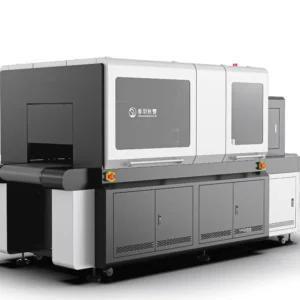
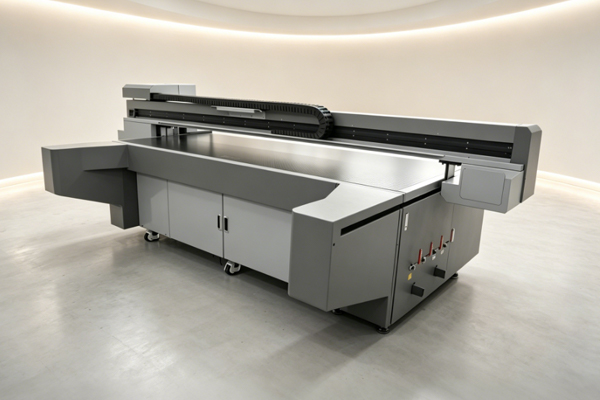
Printing irregular materials requires higher equipment performance, and not every UV printer is suitable for complex product processing. Businesses need to evaluate equipment based on their product characteristics and production requirements.
Important factors include:
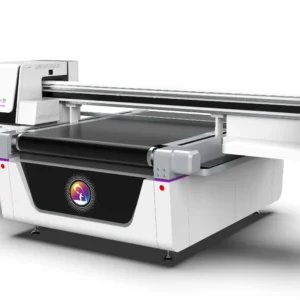
- Whether the printing platform size meets product specifications and supports different material dimensions
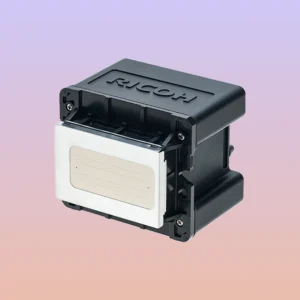
- Whether printhead accuracy and stability can ensure high-quality output of complex graphics
- Whether the equipment supports adjustable printing heights to handle products with different thicknesses and shapes
- Whether the software provides flexible control for adjusting printing positions and production parameters
Choosing the right UV printing equipment helps businesses expand product applications, improve production efficiency, and reduce processing difficulties.
UV printing on irregular materials is becoming an important solution in product customization and industrial processing. Through digital printing, precise positioning, and UV curing technology, businesses can achieve high-resolution graphic output on products with different shapes and materials, meeting the growing demand for personalized and high-quality products. SpringYprinter provides professional and reliable UV printing equipment solutions to help businesses achieve efficient printing production for various materials and complex products.