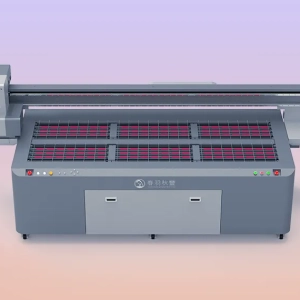
The architectural decoration industry is rapidly evolving toward digital manufacturing, environmentally friendly production, and personalized design. In addition to durability, customers increasingly expect decorative materials to feature realistic textures, layered visual effects, and distinctive surface finishes. Traditional processes such as spray coating, lamination, and mechanical engraving can satisfy basic decoration requirements, but they often have limitations in producing complex textures, adapting to changing designs, and maintaining high production efficiency. UV 3D printing combines high-precision inkjet technology with instant ultraviolet curing, allowing realistic embossed textures to be printed directly onto glass, metal, wood, sintered stone, PVC panels, ceramic tiles, and composite materials. This technology enhances artistic expression while improving manufacturing efficiency and increasing product value.
Working Principle of UV 3D Printing for Architectural Decorative Materials
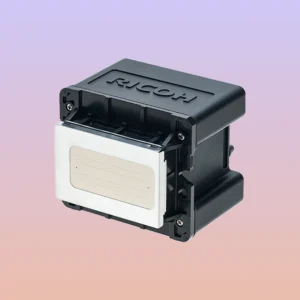
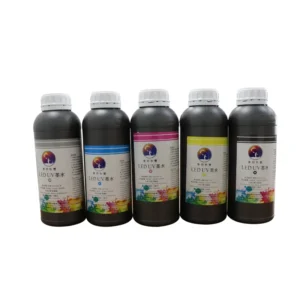
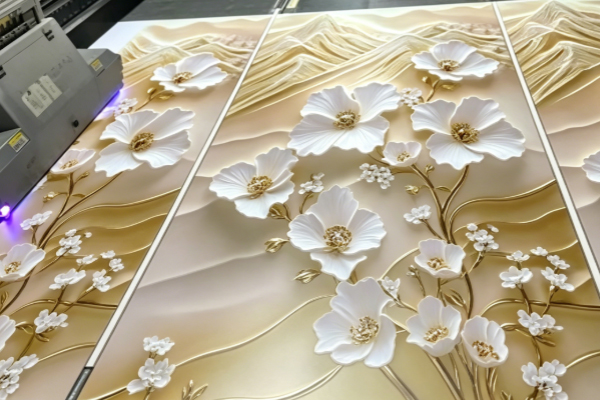
UV 3D printing uses industrial piezoelectric printheads to deposit UV ink layer by layer according to a digital design model. After each layer is printed, ultraviolet lamps instantly cure the ink, creating a stable structure before the next layer is applied. Through continuous printing and curing, the system gradually builds realistic three-dimensional embossed textures.
The standard production workflow includes:
- Create a digital design containing both color information and texture height data.
- Use RIP software to calculate printing paths, ink volume, and texture layer settings.
- Print UV ink layer by layer using high-precision printheads.
- Instantly cure each printed layer with UV light.
- Repeat the printing and curing process until the desired embossed structure is completed.
- Apply a transparent protective coating to improve wear resistance, stain resistance, and long-term durability.
This digital manufacturing process provides accurate control of texture height and color transitions while reproducing complex decorative effects with excellent consistency.
Value of UV 3D Printing for Architectural Decorative Materials
Modern decorative materials contribute not only to building protection but also to the overall appearance and design quality of architectural spaces. UV 3D printing creates highly realistic wood grain, stone textures, concrete finishes, leather patterns, fabric textures, and artistic embossed effects that significantly enhance visual depth and surface quality. Since production is entirely digital, manufacturers can quickly change designs without producing complex molds, making the technology suitable for both large-scale construction projects and premium customized decoration. This capability shortens product development cycles, increases manufacturing efficiency, and allows companies to introduce innovative decorative materials more rapidly.
Technical Advantages of UV 3D Printing for Architectural Decoration
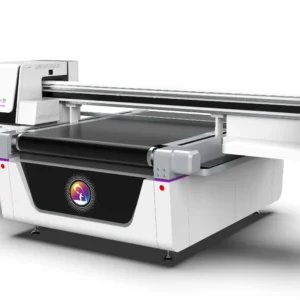
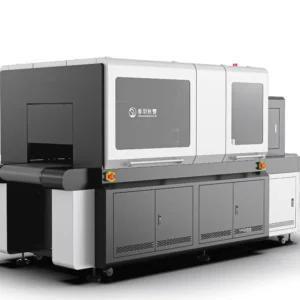
Continuous improvements in industrial UV printing equipment provide greater production stability, higher printing accuracy, and outstanding texture quality for architectural decorative materials.
Key advantages include:
- High-Precision Embossed Texture Printing:Precisely controlled ink layers accurately reproduce natural wood grain, marble textures, stone finishes, and artistic embossed patterns with exceptional detail.
- Instant UV Curing Technology:Each printed layer is immediately cured, maintaining texture height, preserving sharp edges, and minimizing deformation throughout the printing process.
- Broad Material Compatibility:Industrial UV printers support direct printing on glass, wood, metal, sintered stone, PVC panels, acrylic sheets, ceramic tiles, cement boards, and various composite decorative materials.
- Efficient Digital Production:Manufacturers can modify digital artwork and begin production immediately without manufacturing new engraving molds, improving flexibility and reducing production time.
- Excellent Wear and Weather Resistance:Industrial UV inks combined with transparent protective coatings provide outstanding resistance to scratches, stains, ultraviolet exposure, and long-term environmental wear.
These capabilities make UV 3D printing an increasingly important digital manufacturing solution for architectural decoration.
Typical Applications of UV 3D Printing in Architectural Decorative Materials
As modern architecture places greater emphasis on customized design, UV 3D printing has been widely adopted for interior feature walls, hotel wall panels, commercial display walls, wood veneers, decorative sintered stone panels, artistic lobby walls, glass partitions, ceramic decorative panels, elevator interior panels, and architectural wayfinding systems. Designers can create wood grain, marble finishes, brushed metal textures, concrete surfaces, and artistic embossed patterns to complement different architectural styles. Digital printing also supports rapid customization, small production runs, and large construction projects, providing decorative material manufacturers with greater production flexibility and stronger market competitiveness.
Best Practices for UV 3D Printing on Architectural Decorative Materials
Consistent embossed quality depends on standardized production procedures and optimized equipment settings for different decorative materials.
Recommended operating procedures include:
- Thoroughly clean the material surface to remove dust, oil, and contaminants.
- Adjust the print platform and printhead height according to material thickness.
- Configure print resolution, texture height, ink layer quantity, and printing speed.
- Optimize UV lamp intensity to ensure complete curing after every printed layer.
- Produce test samples to verify color accuracy, texture height, and ink adhesion.
- Begin continuous production after confirming all printing parameters.
- Apply a transparent protective coating to improve wear resistance and weather durability.
Perform regular maintenance on printheads, ink delivery systems, guide rails, and UV curing units to maintain reliable long-term operation.
Standardized production procedures help maintain consistent texture quality and color performance across different manufacturing batches while improving production efficiency and reducing maintenance costs.
As digital manufacturing technologies continue to advance, UV 3D printing is driving the architectural decoration industry toward higher quality, greater efficiency, and increased creative freedom. From residential interiors and commercial spaces to public buildings and artistic installations, industrial UV printers provide flexible and efficient production solutions through precision inkjet technology, multi-layer embossed textures, broad material compatibility, and digital workflows, continuously expanding the possibilities of 3D texture printing in architectural decoration.