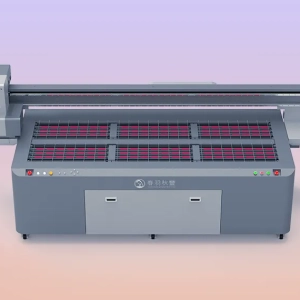
DTF printing technology has been widely used in garment printing, cultural and creative products, bags, shoes, hats, and many other industries thanks to its advantages of no plate making, broad fabric compatibility, and support for personalized customization. When purchasing DTF equipment, many businesses tend to focus only on the price while overlooking how the core configurations affect print quality, production efficiency, and later maintenance costs. In fact, a truly stable and durable DTF machine depends on the coordinated operation of the printhead, ink supply, drying system, mechanical structure, and control system. Only by clearly understanding these key configurations can businesses choose equipment that better matches their order requirements.
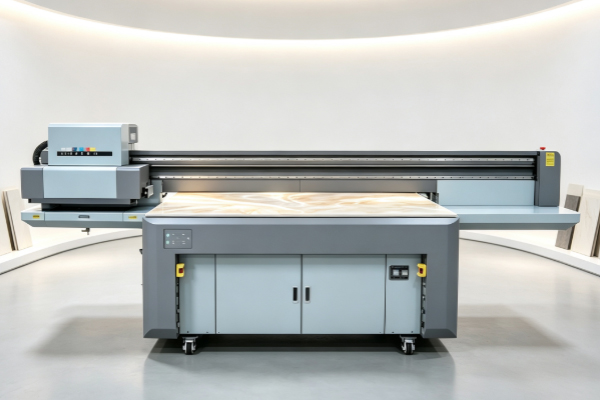
The Printing System Determines the Output Capability of the Machine
The printing system is the most critical part of a DTF machine, directly affecting image precision, printing speed, and finished product stability. For businesses aiming to improve both capacity and quality, this section deserves special attention.
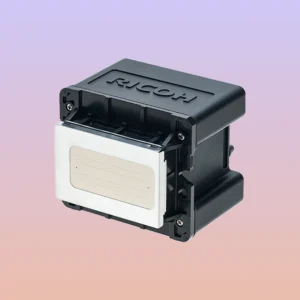
Printhead Configuration Affects Print Quality
The printhead determines the fineness of ink droplet ejection and whether the machine can consistently produce high-quality images.
- Different printheads are suitable for different production capacities. When choosing one, businesses should not rely only on the specification sheet, but should also consider actual order volume, image complexity, and future expansion plans.
- High-precision printheads are better suited for detailed designs because they can reproduce gradients, lines, and small text more effectively, improving the visual quality of the finished product.
- A multi-printhead configuration helps improve batch production efficiency, especially for factory users who need continuous output, and can significantly shorten the production time of each batch.
- Industrial-grade printheads are more suitable for long-term continuous operation. Even under high-load working conditions, they can maintain better stability and consistency while reducing the cost of frequent replacement.
If a business mainly handles small-batch customization, precision should be the priority; if order volume is larger, printhead quantity and stability should receive more attention.
The Printing Control System Ensures Stable Output
The control system acts as the brain of the machine, coordinating the printheads, motion system, and data output.
- Precise control of ink droplet ejection timing helps make image edges sharper while reducing issues such as ink splatter and broken lines that affect product quality.
- Improved stability during printing allows the machine to maintain consistent performance over long periods of operation, avoiding rework caused by unstable control.
- Support for continuous high-speed production helps meet factory efficiency requirements, especially for orders that require fast delivery.
- Ensuring consistency across different batches helps businesses establish stable quality standards and makes it easier to secure long-term customer cooperation.
The more mature the control system is, the less likely the machine is to experience broken lines, misalignment, or unstable color output, making it more suitable for long-term production.
The Ink Supply System Affects Production Continuity
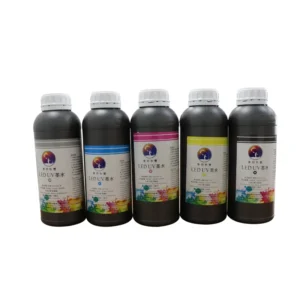
The ink supply system determines whether the machine can operate stably for long periods and is also a key factor affecting printhead lifespan and print consistency. For DTF machines, white ink management is especially important.
The White Ink Circulation System Is Essential
White ink is used frequently in DTF printing. If circulation is not smooth, sedimentation and clogging can easily occur.
- Preventing white ink sedimentation from affecting the printhead helps reduce nozzle clogging and printing interruptions, allowing the machine to maintain better performance during continuous operation.
- Keeping the ink flowing more evenly helps the white ink layer spread more smoothly, improving the coverage and adhesion stability of the base layer.
- Reducing printhead cleaning and maintenance frequency not only saves labor time but also lowers consumable waste caused by frequent cleaning.
- Improving continuous printing capability makes the machine more suitable for long-term batch production, especially in processing scenarios with concentrated orders and tight deadlines.
A complete white ink circulation system not only reduces failures but also extends printhead life and lowers later maintenance costs.
The Automatic Ink Supply System Improves Efficiency
Stable ink supply is an important condition for uninterrupted production.
- Automatic ink replenishment saves labor by reducing the need for operators to frequently check and manually refill ink, making the production process smoother.
- Stable ink pressure helps ensure more even print results and avoids uneven color density caused by ink supply fluctuations.
- Lower risk of ink interruption and shortage reduces the chance of stopping production midway, improving overall equipment utilization.
- It helps maintain color consistency, especially in multi-batch orders, allowing designs printed at different times to remain visually similar.
For factories that require long hours of continuous production, an automatic ink supply system can significantly improve efficiency and reduce human error.
The Drying and Media Take-Up Systems Improve Finished Product Quality
After printing is completed, the drying and take-up stages are equally important. If these two processes are not properly controlled, the image may suffer from powder shedding, uneven curing, or material misalignment.
The Drying System Ensures Proper Hot Melt Powder Performance
Hot melt powder must be fully fused at the right temperature to form a strong bond after transfer. Maintaining even and stable heating during drying allows the entire image to be heated uniformly, improves powder fusion quality, strengthens the bond between the powder and the film layer, and reduces issues such as powder shedding, sticking, and incomplete transfer caused by local under-curing. This helps improve the pass rate of finished products and the adhesion strength of the image. If the drying temperature is unstable, the finished product is likely to experience powder shedding, sticking, or transfer failure, which is why drying system stability is crucial.
The Automatic Take-Up System Optimizes the Production Process
Although the take-up system may seem simple, it directly affects continuous production efficiency and material cleanliness.
- Maintaining stable film tension helps the printing process run more smoothly and reduces issues such as wrinkling, shifting, or uneven stretching.
- Reducing manual sorting time allows operators to focus more on equipment monitoring and quality inspection, thereby improving overall work efficiency.
- Preventing material deviation helps ensure accurate image positioning and reduces waste and rework caused by misalignment.
- Supporting long-term continuous production allows the machine to better handle batch order demands and improves the efficiency of the entire production line.
The automatic take-up system makes the machine run more smoothly, reduces manual intervention, and improves the overall production rhythm.
Mechanical Structure and Intelligent Control Determine Long-Term Stability
In addition to the printing and ink supply systems, the machine’s mechanical structure and intelligent control capabilities also directly affect the service life and production performance of a DTF machine.
The High-Precision Motion System Improves Printing Accuracy
The motion system determines how smoothly the printhead moves during operation and also affects whether image positioning is accurate.
- High-precision guide rails run more smoothly, reducing detail deviations caused by mechanical vibration during printing and making image edges cleaner.
- More precise motion error control helps improve consistency across repeated prints, especially for orders with strict positioning requirements.
- Stable accuracy during long-term operation allows the machine to maintain good output performance even under high load, reducing quality fluctuations caused by mechanical wear.
- Improved batch production consistency makes it easier for businesses to maintain uniform quality when handling repeat orders and helps build brand reputation.
The more stable the mechanical structure is, the less likely the machine is to vibrate or deviate during high-speed printing, and the more consistent the finished product quality will be.
Intelligent Software Functions Improve Production Efficiency
Modern DTF machines rely not only on hardware but also on software support. RIP software can optimize layout and color management, improve material utilization, and make image colors closer to the design intent; automatic cleaning functions reduce manual maintenance and lower the risk of printhead clogging; low-ink alarm functions can remind operators to handle issues in time and avoid waste caused by insufficient ink; and quick parameter recall improves job change efficiency, making the machine more suitable for multi-category, small-batch production. The more complete the intelligent functions are, the easier the machine is to operate and the more suitable it is for standardized production.
A stable DTF machine must be supported by the printing system, ink supply system, drying and take-up system, as well as the mechanical structure and intelligent control system. When purchasing equipment, businesses should not focus only on the price, but should also make a comprehensive judgment based on order volume, product positioning, and long-term operating costs. Choosing the right core configurations is the key to truly improving production efficiency and finished product quality. Springyprinter specializes in the R&D and manufacturing of industrial digital printing equipment and can provide customers with professional DTF printing solutions and technical support services.