In recent years, with the development of industries such as advertising signage, personalized customization, industrial printing, and home decoration, UV flatbed printers have gradually become important equipment attracting the attention of many entrepreneurs and businesses. Compared with traditional printing processes, UV flatbed printers can directly print full-color images on a wide variety of material surfaces, making them highly versatile. However, for beginners who are just entering the industry, choosing the right machine can be difficult due to the wide range of models, configurations, and prices available on the market. Some people focus too much on price, while others only pay attention to printing speed, overlooking equipment stability and long-term maintenance costs. Purchasing a suitable UV flatbed printer not only affects the initial investment cost but also influences future production efficiency and business development. Therefore, it is essential to understand some key purchasing considerations before making a decision.
Clarify Your Production Requirements
Understand the Main Types of Products You Will Print
Before selecting equipment, the most important step is to determine what types of products you plan to produce in the future. Different products have different equipment requirements. If your business direction is unclear, it is easy to purchase a machine that does not suit your needs. If you mainly produce advertising signs, display boards, and acrylic signboards, a standard UV flatbed printer can generally meet your requirements. If you need to print on glass background walls, metal nameplates, wooden crafts, or ceramic decorations, you should pay attention to factors such as printing height, adhesion performance, and white ink functionality. Only by defining your primary business scope in advance can you narrow down your equipment options and avoid insufficient machine capabilities later on.
Determine Your Production Scale
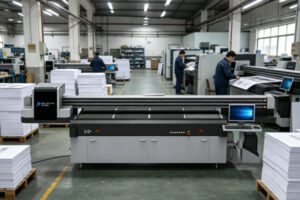
Equipment purchasing should not only consider current orders but also be planned according to actual production requirements. Many beginners tend to blindly pursue large-scale equipment, which can create unnecessary financial pressure. If you are just entering the UV printing industry and your order volume is still unstable, you may choose a small or medium-sized machine for initial operations. This can help control investment costs while allowing upgrades as your business grows. If you already have stable customers and consistent orders, you can consider higher-configuration equipment to improve production efficiency and delivery capabilities. Proper production planning is more meaningful than simply pursuing larger equipment.
Evaluate Future Business Development
Many businesses expand their product offerings after purchasing equipment, so machine scalability should also be considered in advance. For example, you may currently focus on advertising materials but later expand into gift customization, phone case printing, industrial nameplates, or home décor products. If the equipment is too limited in functionality, you may need to purchase additional machines in the future. Leaving room for future growth can help reduce repeated investments and maximize equipment value.
Pay Attention to Core Equipment Configurations
Whether the Printhead Type Matches Your Needs
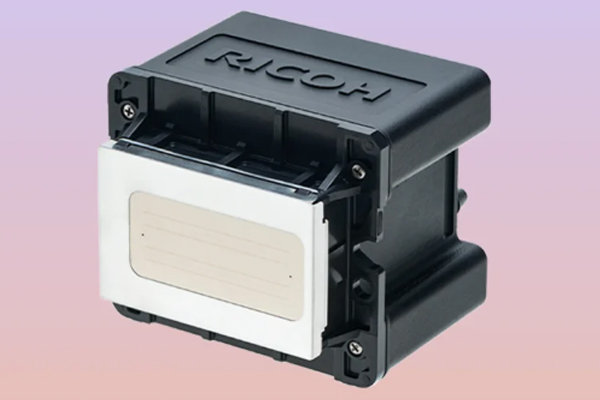
The printhead is one of the most important components of a UV flatbed printer. It directly determines printing quality, production speed, and maintenance costs. Therefore, professional users often pay special attention to printhead configuration when selecting equipment. To make evaluation easier, you can consider the following aspects:Printing Accuracy: If your main products involve detailed graphics, text labels, or small customized items, you should prioritize higher-precision printheads.Production Speed: If your order volume is large or continuous production is required, you should focus on the printhead’s stability during high-speed printing.Maintenance Cost: Different printheads have different maintenance requirements and replacement costs. Beginners should understand these factors in advance to avoid excessive future expenses.
Common printheads on the market include Epson, Ricoh, and Kyocera printheads. Epson printheads offer high printing accuracy and are suitable for small- and medium-batch production. Ricoh printheads provide a balance of speed and stability. Kyocera printheads are better suited for industrial-grade continuous production. Beginners should not only focus on the speed specifications promoted by manufacturers but should also understand printhead lifespan, maintenance difficulty, and replacement costs.
- Whether the Printing Area Is Appropriate
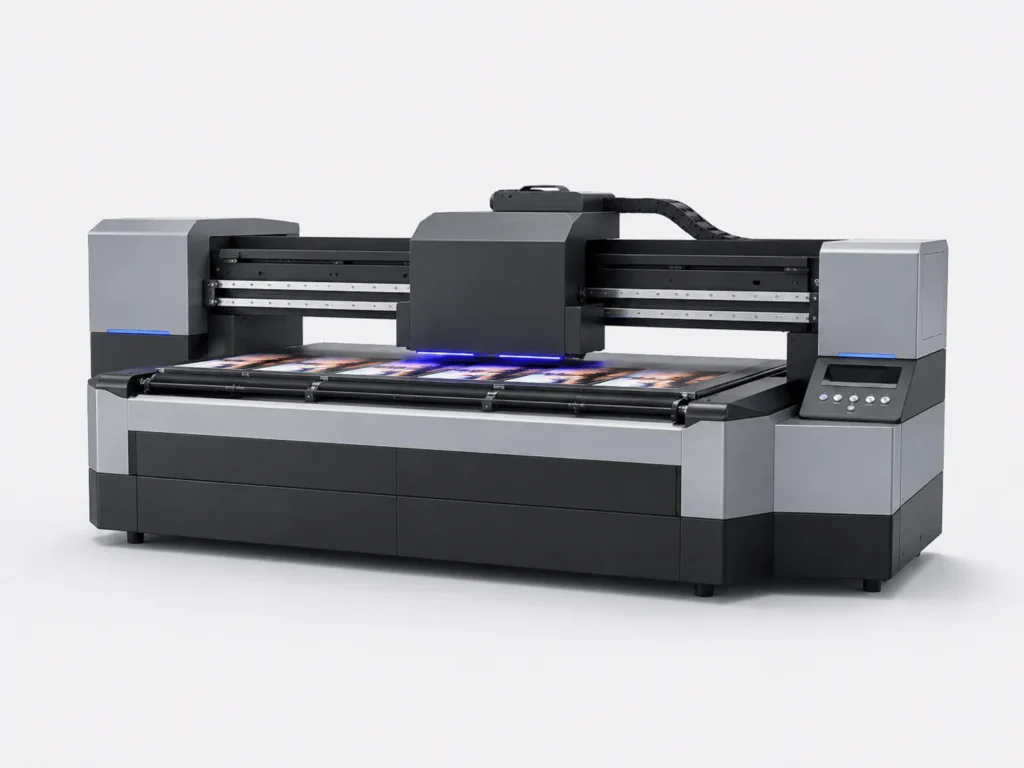
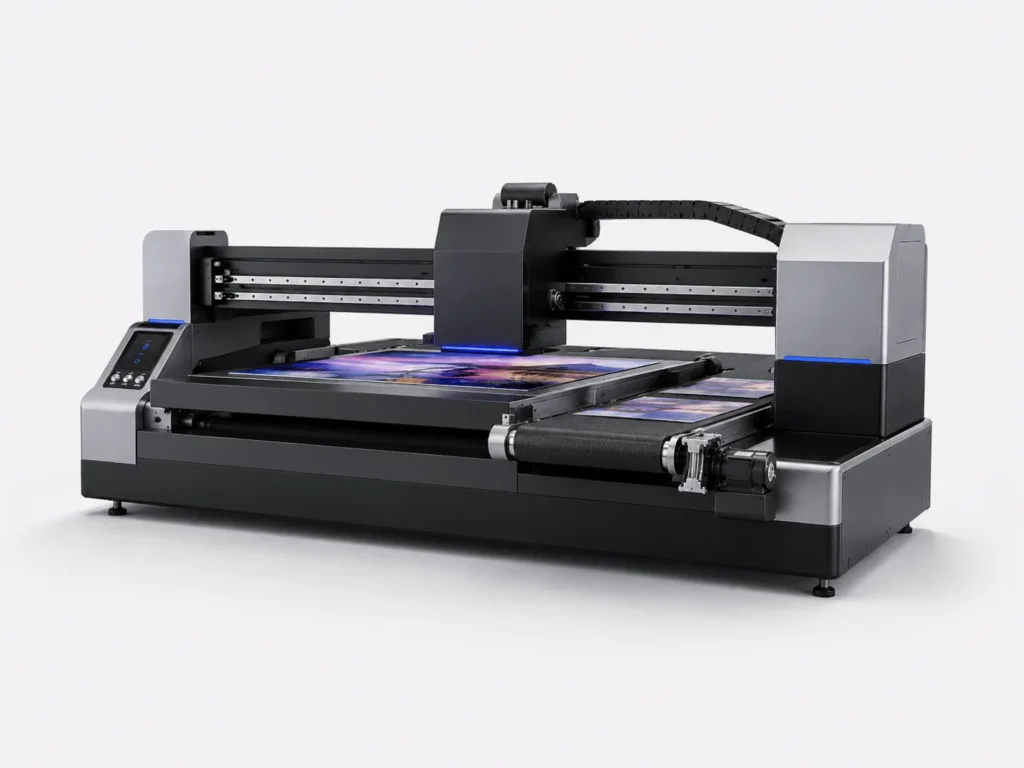
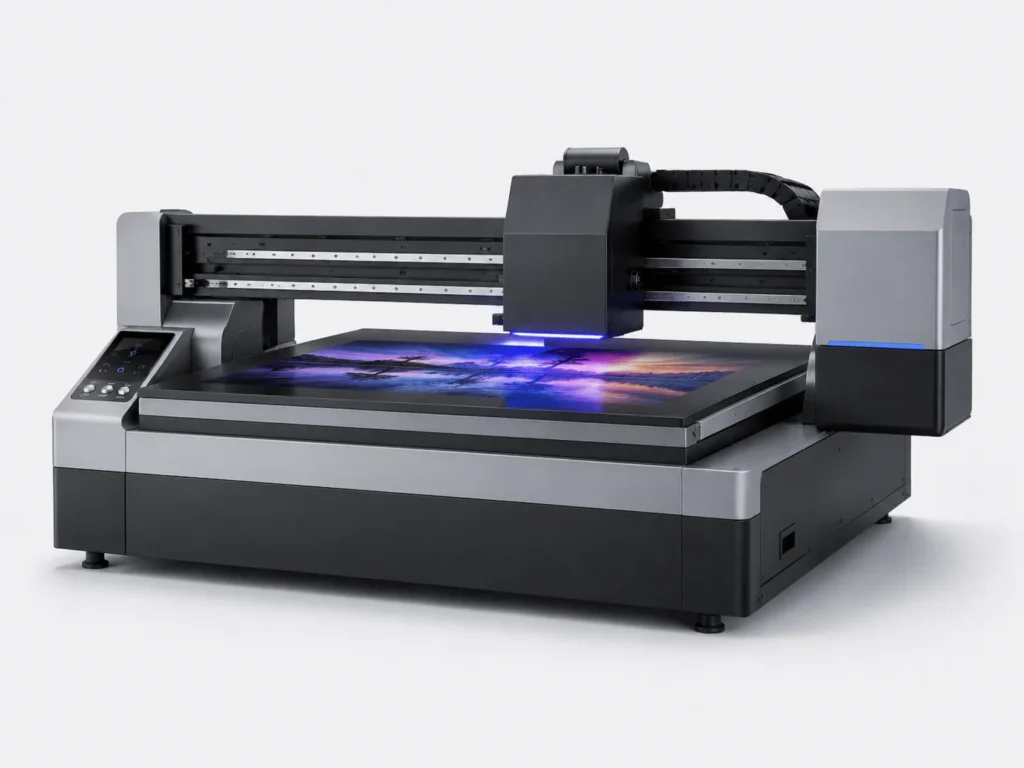
The printing area determines the size of materials that the equipment can handle and is therefore an important selection criterion. Many people assume that bigger machines are always better, but this is not necessarily true. If you mainly produce small crafts, phone cases, and customized gifts, large-format equipment may occupy more space and increase purchasing costs unnecessarily. If you primarily process advertising boards, a larger printing platform may be required. Choosing the right printing size according to your products can maximize equipment utilization.
- Configuration of the Curing System
The curing system determines whether the ink can cure quickly and stably, directly affecting print quality and production efficiency. Most mainstream UV flatbed printers currently use LED UV curing technology, which offers lower energy consumption, longer service life, and less heat generation compared to traditional mercury lamp systems. When purchasing equipment, you should pay attention to the brand, power, and lifespan of the LED lamps. A stable curing system can improve ink adhesion while reducing maintenance costs.
Emphasize Equipment Stability and After-Sales Service
Equipment Stability During Operation
Many beginners focus on printing speed and price while overlooking the importance of long-term operational stability. Equipment is required to operate continuously every day. Frequent breakdowns not only affect order fulfillment but also increase maintenance expenses. Equipment with good stability can maintain continuous operation for extended periods, reduce downtime, and improve overall productivity. Therefore, before purchasing, it is advisable to inspect the equipment in operation and evaluate its actual performance.
Technical Support Capability of the Manufacturer
Equipment installation, software configuration, print parameter settings, and material compatibility all require technical guidance. If the manufacturer cannot provide timely support, many issues may affect normal production. Therefore, when choosing a supplier, you should carefully evaluate the size of the technical support team, response speed, and training services provided.
Availability of Spare Parts
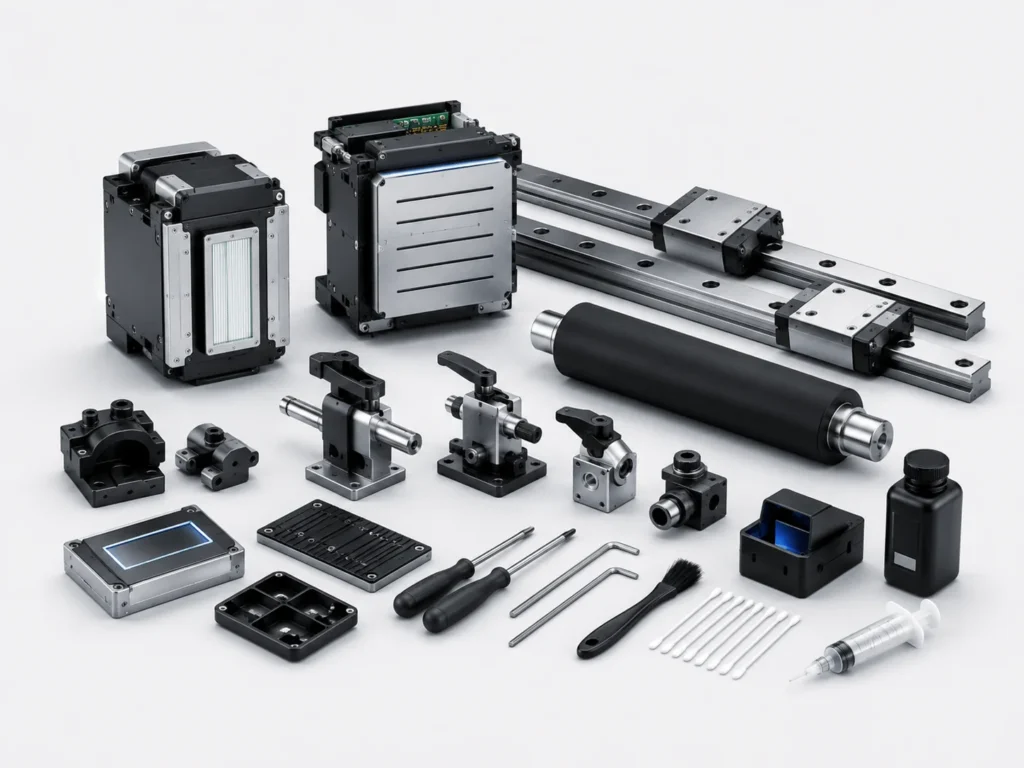
All equipment will require replacement parts during long-term operation, making spare parts availability another important consideration. Components such as printheads, ink dampers, filters, guide rails, and curing lamps are common consumables. If these parts are difficult to obtain or expensive, operating costs will increase significantly. Understanding spare parts availability and inventory conditions in advance can reduce uncertainty during future operations.
Frequently Asked Questions
Is More Expensive Equipment Always Better?
Many beginners assume that higher-priced equipment must offer better performance, but the reality is not that simple. Equipment prices are influenced by factors such as brand, configuration, printing size, and printhead type. Although high-end machines may provide stronger performance, they may not deliver full value if your order volume is limited. Equipment that matches your business requirements often offers better cost-effectiveness than simply choosing the most expensive option.
Can Beginners Learn to Operate the Machine Quickly?
Many entrepreneurs worry that they lack industry experience and may not be able to operate the equipment effectively. Fortunately, most modern UV flatbed printers feature intelligent operation systems and user-friendly printing software interfaces. After receiving manufacturer training, most users can master the basic operation process within a few days. By learning printing settings and maintenance procedures carefully, beginners can quickly begin production.
Is Equipment Maintenance Complicated?
Maintenance is an important part of ensuring long-term stable operation, so many users want to understand maintenance requirements in advance.
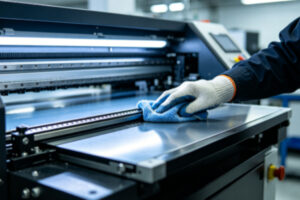
Daily maintenance mainly includes printhead care, platform cleaning, ink management, and workplace cleanliness. These tasks are not particularly complicated but must be performed regularly. Good maintenance habits can extend equipment lifespan and reduce the occurrence of failures.
Purchasing Case Studies
Advertising Processing Shop Startup Case
Many advertising shops add UV printing services to expand their business scope, requiring equipment that balances functionality and cost. One advertising processing company specializing in acrylic signs and display boards selected a medium-format UV flatbed printer. The investment was reasonable, and the equipment met daily production requirements, ensuring productivity while avoiding excessive financial pressure.
Gift Customization Studio Case
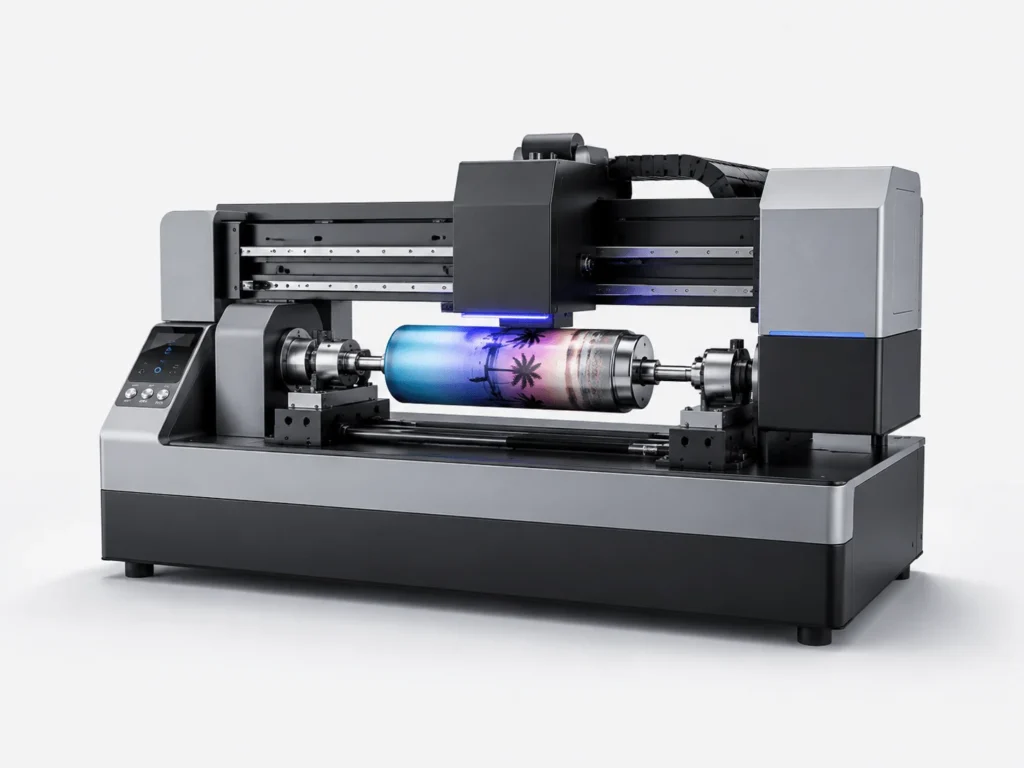
Gift customization orders are typically small in quantity but diverse in variety, making flexibility especially important. A gift customization studio producing phone cases, insulated cups, and souvenirs chose a high-precision compact UV flatbed printer. This improved print quality while allowing quick switching between different orders to meet personalized production requirements.
Industrial Nameplate Manufacturing Case
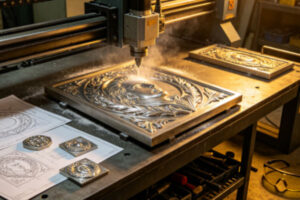
Industrial nameplate products require high wear resistance and strong adhesion, leading to stricter equipment requirements. One company specializing in equipment nameplates and metal identification plates focused heavily on printhead performance and curing system effectiveness during equipment selection. After multiple rounds of testing, they ultimately chose an industrial-grade machine configuration to ensure product quality and long-term production stability.
Important Summary Before Purchasing a UV Flatbed Printer
Requirement Analysis Is More Important Than Price
Equipment purchasing is a long-term investment, so it is essential to carefully analyze your business requirements before making a decision. Product types, order volume, production environment, and budget all affect the final selection. If you focus only on price, you may end up purchasing equipment that does not suit your needs. Clearly defining your requirements before comparing options can improve purchasing success and maximize equipment value.
Stability Determines Long-Term Returns
The importance of equipment stability far exceeds short-term price differences. A stable machine can reduce failure rates, lower maintenance costs, and improve order delivery efficiency. As business volume increases, the benefits provided by reliable equipment become even more significant. Therefore, when selecting equipment, you should evaluate not only technical specifications but also real-world operating performance.
When purchasing a UV flatbed printer as a beginner, it is necessary to comprehensively consider factors such as production requirements, equipment configuration, printhead performance, printing area, curing system, and after-sales service. For those new to the industry, properly planning the budget, understanding equipment performance, valuing after-sales support, and paying attention to long-term operating costs are often more important than pursuing high-end configurations. Only when the equipment matches business requirements can production efficiency be improved, business risks reduced, and the UV flatbed printer truly become a powerful tool for business growth.