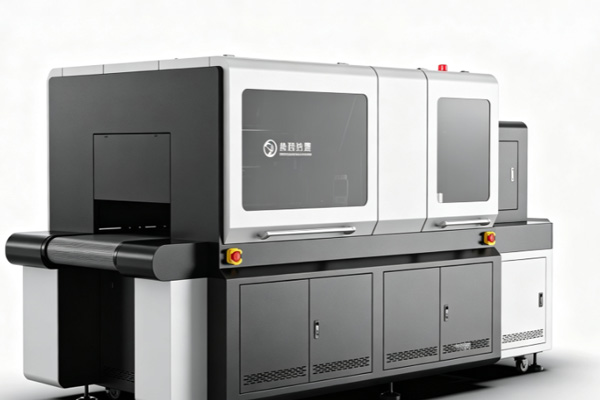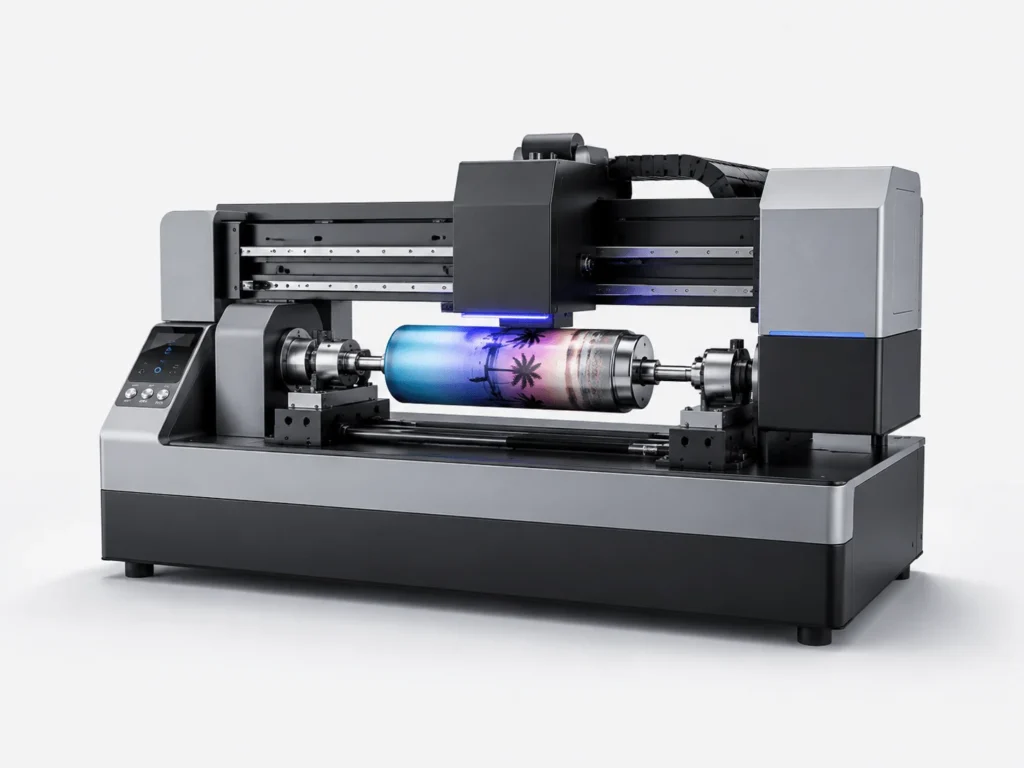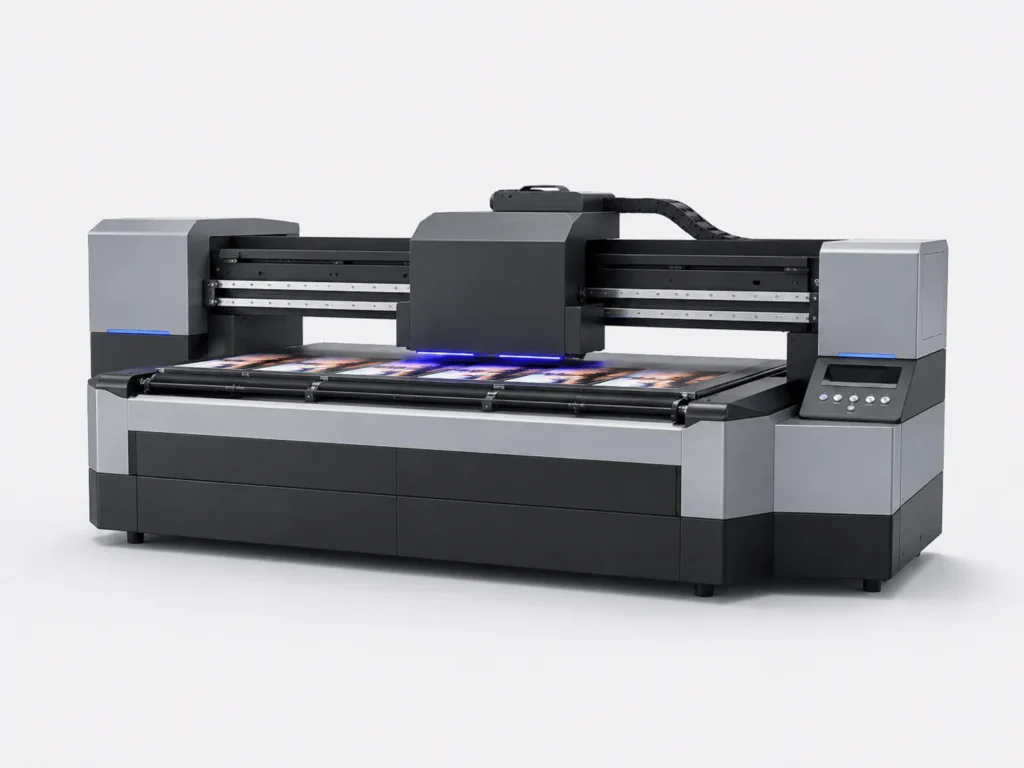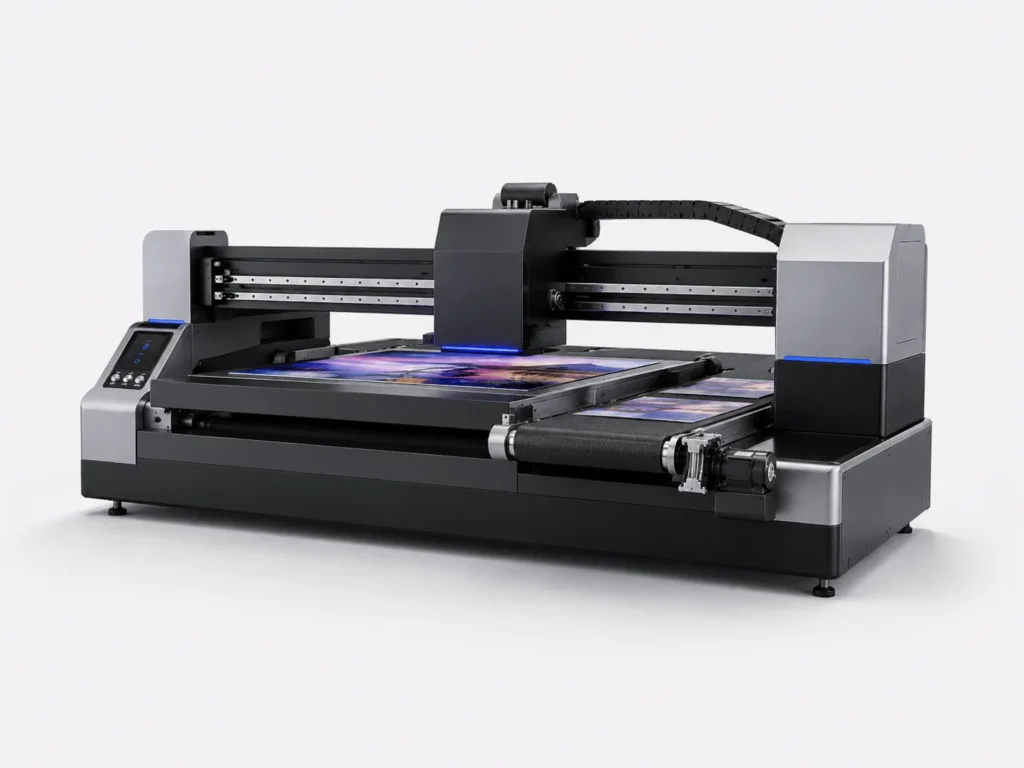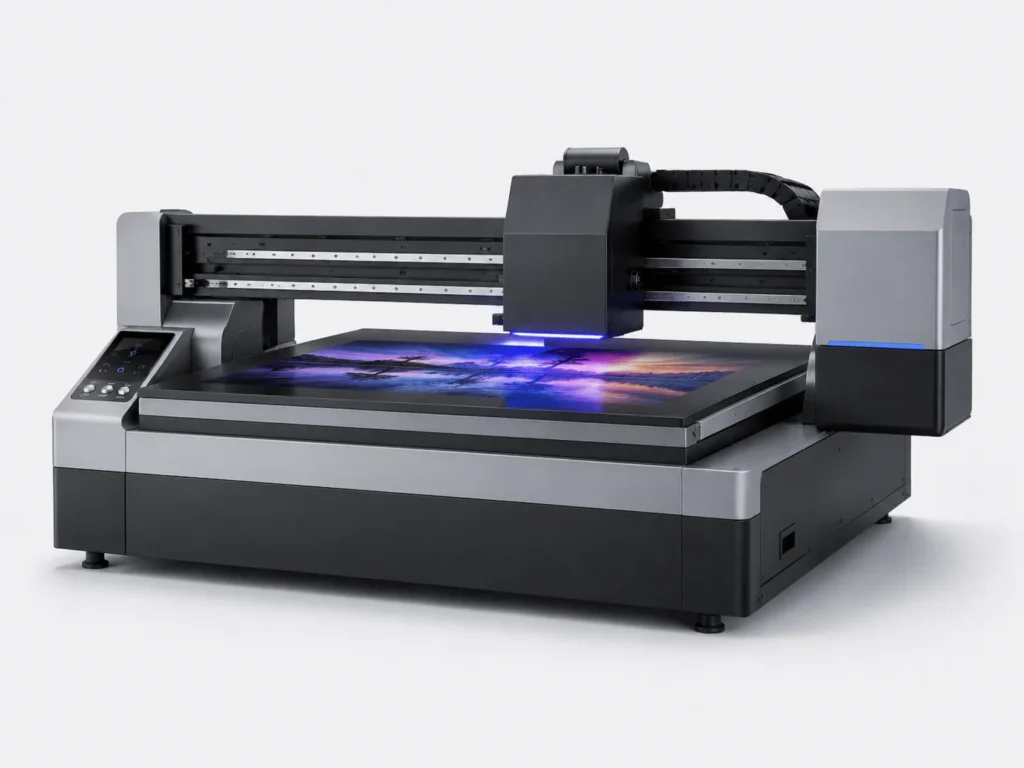
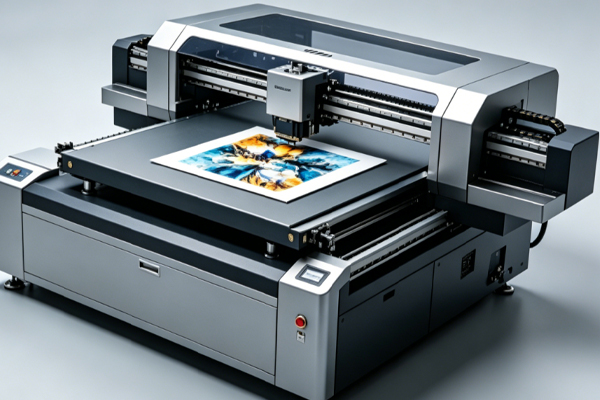
With the continued growth of digital production demand in packaging printing, advertising displays, home appliance panels, electronic products, and industrial customization, UV flatbed conveyor printers have become one of the key equipment options for many companies upgrading their production lines. Faced with different brands, configurations, and price ranges on the market, many buyers tend to focus on quotations while overlooking the core parameters that truly determine the value of the equipment. In fact, whether a machine can serve production stably over the long term depends not only on print quality, but also on printhead configuration, conveying system, curing capability, software experience, and after-sales support. Only by understanding these key points can companies more accurately choose equipment that fits their business development.
Why Are Printhead Parameters So Important
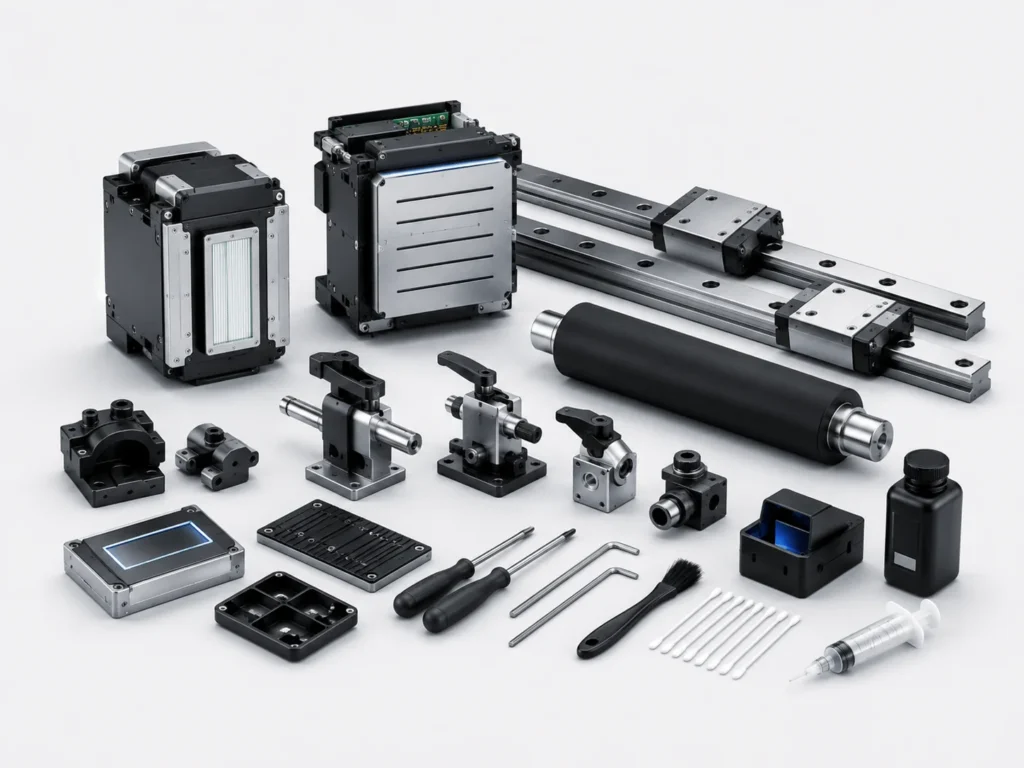
The printhead is one of the most critical components of a UV flatbed conveyor printer. It not only determines whether the image can be reproduced clearly, but also directly affects printing speed, stability, and later maintenance costs, so it must be a top priority during selection.
Printhead Model Determines Print Quality
Different printheads perform differently in terms of precision, droplet control, and stability. When purchasing, you should not only look at the model name, but also judge whether it matches your product requirements based on the actual application scenario.
- Printhead precision directly affects whether image edges are sharp, whether details are complete, and whether complex graphics can be accurately reproduced.
- Droplet control affects the layering and transition effects of the image, which is especially noticeable in gradients, small text, and fine patterns.
- Color reproduction determines whether the finished product looks rich and natural, and also influences the customer’s first impression of product quality and brand image.
- High-quality printheads usually reduce issues such as ink misting, missing lines, and nozzle clogging, allowing the machine to maintain more stable output during long-term operation.
For industries such as home appliance panels and packaging color printing that require high image quality, printhead performance often directly determines product grade and customer satisfaction. Therefore, in the early selection stage, it is essential to compare the actual performance of different printhead solutions carefully rather than relying only on promotional specifications.
Printhead Quantity Affects Production Efficiency
The number of printheads is not simply a case of “the more, the better.” It must match the company’s order volume, production rhythm, and product positioning. Only with a reasonable configuration can the machine’s production capacity advantages be fully realized.
- More printheads usually mean higher theoretical printing speed, but only if the overall structure and control system can support that efficiency increase.
- Multi-printhead configurations are more suitable for batch production because they can improve output per unit time while maintaining a certain level of precision.
- Different industries require different capacity solutions. Small-batch customization values flexibility, while large-scale processing values continuous and stable production capacity.
Companies should make decisions based on daily output, delivery cycle, and future expansion plans. This helps avoid unnecessary investment caused by blindly pursuing high-end configurations, while also preventing insufficient configuration from limiting future order capacity.
How to Choose Printing Precision and Printing Width
Printing precision and printing width determine the range of products the machine can handle, and they also affect the final visual quality and production efficiency. These two parameters must be judged according to actual product specifications.
Printing Precision Determines Product Grade
The higher the printing precision, the sharper the image edges, the more complete the details, and the more refined the overall visual effect. This is especially suitable for product processing scenarios with high appearance requirements.
- Image edges become clearer, allowing brand logos, decorative textures, and small text to appear more complete and professional on the finished product.
- Small text prints more accurately, making it suitable for product applications that need to display model numbers, instructions, functional labels, and similar information.
- Gradient transitions become smoother, making the image look softer and more layered, which better meets the aesthetic needs of high-end products.
- Brand logos appear more refined, helping improve the overall product grade and strengthening customers’ recognition of the company’s professionalism.
For industries such as high-end packaging, electronic product shells, and decorative panels, precision affects not only appearance but also brand image and customers’ judgment of product quality. Therefore, when purchasing, you should first confirm the machine’s actual output performance in high-precision mode.
Printing Width Determines Application Range
Printing width determines the maximum material size the machine can handle. If the width does not match the product specifications, it will affect layout efficiency and may even limit the company’s business expansion.
- Small-size products can use standard-width machines, which helps control procurement costs while meeting regular production needs.
- Large packaging materials require a wider printing area; otherwise, extra processes may be needed during layout and splicing, reducing overall efficiency.
- Long boards require consideration of the conveying length, because insufficient conveying travel will limit material stability and applicability as it passes through the machine.
When determining the width, companies should not only look at current product sizes, but also consider whether larger orders may be added in the future. Only when the machine size matches the business scope can equipment utilization and production flexibility truly improve.
What Key Indicators Should Be Considered for the Conveying System and UV Curing System
The reason conveyor-type printers are suitable for continuous production lies in the stability of the conveying system and UV curing system working together. These two parts directly affect whether the machine can run efficiently, continuously, and stably.
The Conveying System Determines Continuous Production Capability
The stability of the conveying system directly affects whether material positioning is accurate, whether the printing process is smooth, and whether problems such as deviation or material jamming are likely to occur during batch production.
- Whether the conveyor belt runs smoothly affects the positioning accuracy of the material in the printing area and whether the image can be placed exactly where intended.
- Whether material positioning is accurate determines the consistency of each product in batch production, which is especially important in repeat orders.
- Whether long-term operation is prone to deviation is an important indicator of whether the machine is suitable for continuous production, because frequent deviation increases rework and waste.
- Whether automatic feeding is well designed directly affects labor input and production rhythm. The higher the automation level, the more it helps improve overall efficiency.
If the conveying system is unstable, even the best printhead performance cannot guarantee consistency in batch orders. Therefore, companies should focus on how the machine performs during continuous operation rather than only looking at single-print results.
The UV Curing System Affects Finished Product Quality
The UV curing system determines whether the ink can quickly and evenly adhere to the surface of the material. It affects not only production rhythm, but also the wear resistance, weather resistance, and overall service life of the finished product.
- Curing speed affects production efficiency. The faster the curing, the less likely the material is to experience sticking or smearing during subsequent conveying and stacking.
- Curing uniformity affects image quality. If local curing is insufficient, it may lead to unstable color, reduced adhesion, or inconsistent surface effects.
- Improved image wear resistance helps products maintain a better appearance during transportation, use, and later contact.
- Enhanced weather resistance and scratch resistance make the machine more suitable for applications that require long-term use or frequent exposure to the external environment.
For products that need to be used for a long time or frequently exposed to the environment, curing performance is especially important. Only with sufficient and stable curing can the printed image maintain better performance in later use.
How to Evaluate Production Efficiency and Equipment Stability
For companies, whether the machine can run stably over the long term is often more important than the specifications alone, because what truly affects delivery capability and operating costs is the machine’s sustained performance in real production.
Does the Actual Printing Speed Meet the Demand
Many machines advertise speed figures tested under ideal conditions. When purchasing, companies should not only look at theoretical values, but also judge actual capacity based on their own materials, precision requirements, and order rhythm.
- Pay attention to production efficiency in high-precision mode, because some machines are very fast at low precision, but efficiency drops significantly once switched to high-quality output.
- Understand the actual capacity during continuous production so you can judge whether the machine is truly suitable for batch orders rather than just short demonstrations.
- Test printing performance on different materials, because different substrates have different requirements for ink adhesion, curing speed, and conveying stability.
If the machine slows down significantly in high-precision mode or fluctuates during continuous production, then even if the specifications look impressive, it may still not be suitable for the company’s real production scenario. Practical testing is essential.
Is the Equipment Stability Reliable
Stability determines whether the machine can serve production over the long term, and whether the company will suffer from frequent downtime that affects delivery and customer experience. This point must be carefully evaluated.
- Whether continuous operation is prone to failures directly affects whether the machine is suitable for long-term batch production and also influences the company’s overall delivery rhythm.
- Whether the control system is stable affects whether printing commands are executed accurately and whether the machine can maintain consistent performance under complex tasks.
- Whether the ink supply system runs smoothly affects whether ink delivery is stable, whether the printhead is prone to clogging, and whether ink interruption occurs during printing.
- Whether print quality remains consistent during long-term operation is a key standard for judging whether the machine truly has industrial-grade stability.
A stable machine not only reduces maintenance frequency, but also lowers downtime losses and manual intervention costs, making it especially suitable for companies with large order volumes and tight delivery schedules.
Are Software Systems and After-Sales Service Worth Paying Attention To
In addition to hardware parameters, software systems and after-sales service also affect the actual user experience, because after the machine is purchased, what truly determines efficiency is often whether it is easy to operate and whether problems can be solved promptly.
Software Systems Affect Operating Efficiency
An excellent software system makes the machine easier to learn and helps the production process run more smoothly. The difference is especially noticeable in multi-task switching and image processing.
- More complete image processing functions help companies complete file adjustments, color optimization, and layout settings more quickly, reducing preparation time.
- A more intuitive interface allows operators to become familiar with the workflow faster, lowering training costs and reducing the risk of operational errors.
- Support for multiple file formats improves compatibility between design files and production equipment, allowing orders from different sources to enter production more smoothly.
- It helps with rapid task switching, making it especially suitable for production models with multiple product types, small batches, and frequent changeovers.
If the software system is not mature enough, operators will need more time to adapt, and production efficiency may be affected. Therefore, it is best to understand in advance whether the software functions match the actual workflow.
After-Sales Service Ensures Long-Term Equipment Use
Once the machine enters production, issues such as setup, maintenance, or troubleshooting are inevitable. Whether after-sales service is timely directly affects whether the company can maintain stable production.
- Whether installation training is provided affects how quickly the company can get started and enter normal production.
- Whether there is a professional technical team determines whether problems can be handled promptly and accurately when they occur.
- Whether spare parts are supplied in time affects the length of the repair cycle and the scale of downtime losses.
- Whether the response speed to faults is fast is an important standard for evaluating the manufacturer’s service capability, especially when orders are tight.
A complete service system helps companies reduce later operational risks and allows the equipment to enter stable production more quickly. Therefore, after-sales capability should always be an important factor during procurement.
In the actual purchasing process, what truly determines the value of the equipment is not a single parameter, but whether it can continuously adapt to the company’s product types, order rhythm, and production goals. It is recommended that companies conduct sample testing before selection, and then make judgments based on capacity planning, maintenance costs, and future expansion space. This makes it easier to buy equipment that lasts longer and delivers higher output. Springyprinter focuses on the research, development, and manufacturing of industrial UV digital printing equipment and can provide customers with professional UV flatbed conveyor printing solutions and comprehensive technical support services.