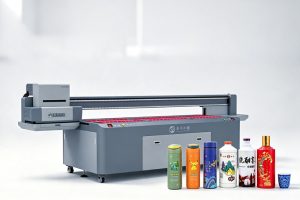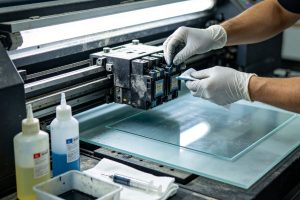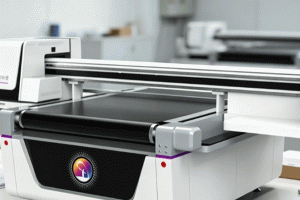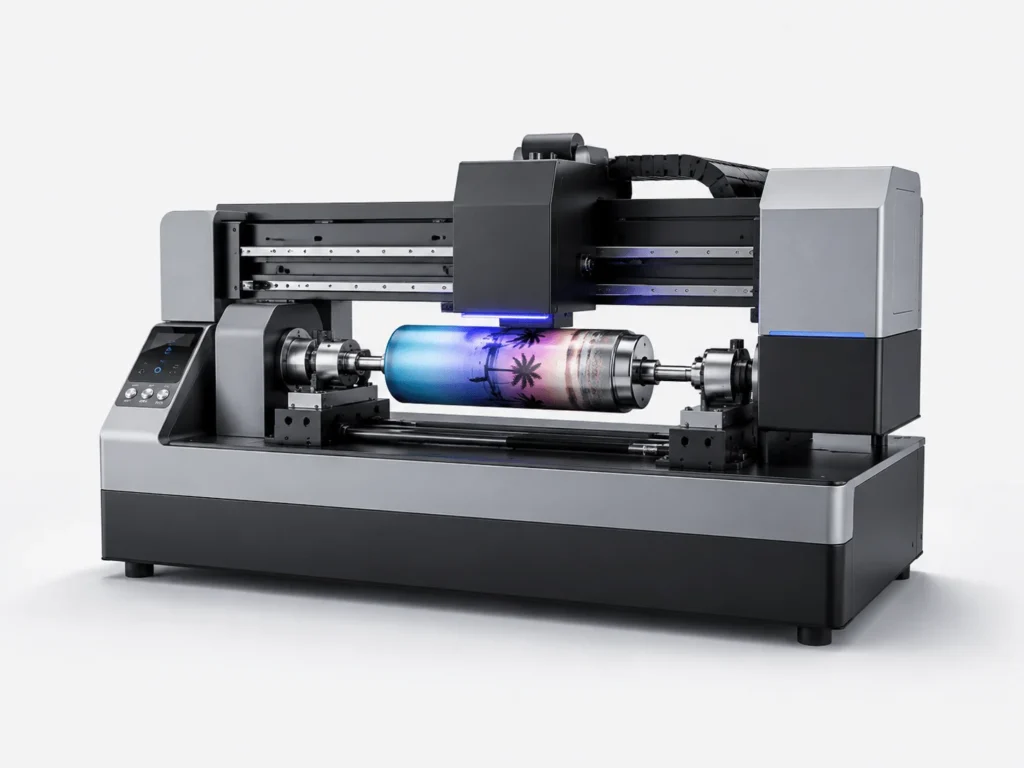
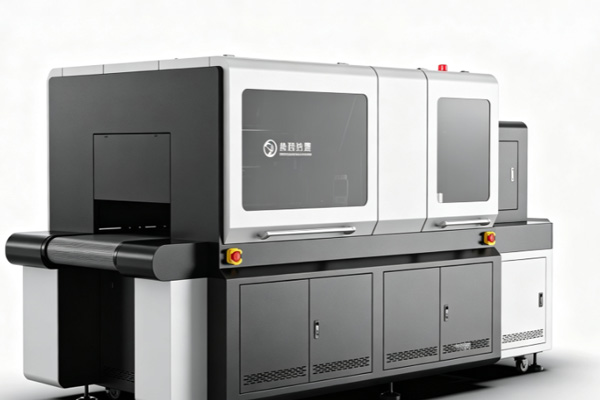
In the ongoing digital transformation of the packaging and printing industry, single-pass printers are gradually becoming key equipment for many factories. Compared with traditional multi-step printing processes, they differ significantly in structural design and output logic, emphasizing one-time forming and continuous output capabilities. This type of equipment not only changes production rhythm but also makes packaging customization more flexible and efficient, especially suitable for today’s market environment of multiple product types, small batches, and fast delivery.
Production Advantages Brought by High-Speed Continuous Output Capability
The most intuitive feature of a single-pass printer is “speed,” but this speed is not just reflected in numerical values; it represents a systematic improvement in the overall production rhythm, enabling the entire production line to maintain higher and more stable output efficiency during continuous operation.
One-Time Forming Reduces Repetitive Processes
Traditional printing often requires multiple positioning and multi-step processes, while single-pass printers complete image output in one pass, greatly reducing intermediate steps and making the production process more compact and efficient.
- Patterns are formed directly without repeated overprinting and alignment adjustments.
- Reduces manual intervention, improving operational stability and consistency.
- Lowers cumulative error risks caused by multiple processing steps.
- More suitable for integration with automated conveyor lines for continuous production.
One-time forming simplifies the production process from the source, improving overall efficiency and making the production rhythm smoother and more controllable.
Adapts to High-Pace Order Requirements
In the fast-evolving e-commerce and brand environment, order cycles are becoming shorter, placing higher demands on equipment response speed.
- Quickly switch between different design files for seamless order transitions.
- Supports continuous batch production, reducing downtime.
- Meets urgent orders and fast delivery requirements.
- Improves equipment utilization and output per unit time.
This flexible responsiveness enables companies to better adapt to market fluctuations and enhances competitiveness.
Digital Control Enhances Production Flexibility
One of the core advantages of single-pass printers lies in their digital control system, which shifts production from traditional fixed modes to a more intelligent and flexible approach.
No Plate-Making Required, Lower Switching Costs
Traditional printing requires plate-making and complex pre-production preparation, while single-pass printers can directly read digital files and start production. Design modifications can be made instantly in software and put into production immediately, reducing preparation time and inventory pressure. This is especially suitable for multi-category, small-batch, and frequent changeover production models.
Supports Diversified Custom Production
In response to personalized market demands, the equipment offers stronger adaptability and scalability.
- Supports mixed output of different patterns.
- Enables flexible switching between small batches and multiple versions.
- Meets seasonal marketing and limited-edition product needs.
- Adapts to rapidly changing market environments.
This flexibility makes packaging not only a production result but also an important medium for brand expression.
High-Precision Output Ensures Product Quality
In the packaging industry, visual appearance directly affects product value perception and brand recognition. Single-pass printers perform excellently in precision and stability.
Strong Image Detail Reproduction Capability
The high-resolution inkjet system ensures clear details even during high-speed printing.
- Small text remains clearly readable at high speed.
- Smoother edges with reduced jaggedness.
- More natural and delicate gradient transitions.
- More stable reproduction of logos and key graphics.
It enhances the professionalism and brand recognition of packaging.
More Stable Color Consistency
Color stability is higher in mass production, with smaller color differences across batches. Colors and saturation remain more unified, making it suitable for standardized brand applications. This helps improve packaging consistency and premium appearance, strengthening brand image. It also reduces rework and waste caused by color deviations, lowering overall production costs. In large-scale order delivery, it maintains stable output and improves overall production line efficiency.
Reduces Overall Costs and Improves Enterprise Efficiency
Single-pass printers not only excel in efficiency but also offer significant advantages in optimizing overall cost structure.
Reduces Labor and Material Waste
The high level of automation effectively reduces hidden costs.
- Reduces reliance on operator experience.
- Lowers material loss during trial runs and adjustments.
- Improves material utilization and reduces costs.
- Decreases rework and scrap rates.
Automated production makes it easier for companies to control overall costs.
Enhances Long-Term Equipment Value
From a long-term operational perspective, single-pass printers offer higher sustained value.
- Suitable for long-term industrial operation.
- Relatively simplified maintenance structure.
- Higher equipment utilization rate.
- Compatible with multiple packaging scenarios.
This type of equipment provides more stable and sustainable economic returns for enterprises.
In the technological evolution of the packaging and printing industry, single-pass printers are significantly improving production efficiency and market responsiveness through high-speed output, digital control, high-precision performance, and cost optimization capabilities. In a highly competitive and diversified environment, their application scope continues to expand, making them an important tool for enhancing brand packaging competitiveness. Springyprinter focuses on the R&D of industrial-grade digital printing equipment, providing more efficient and stable solutions for the packaging industry.