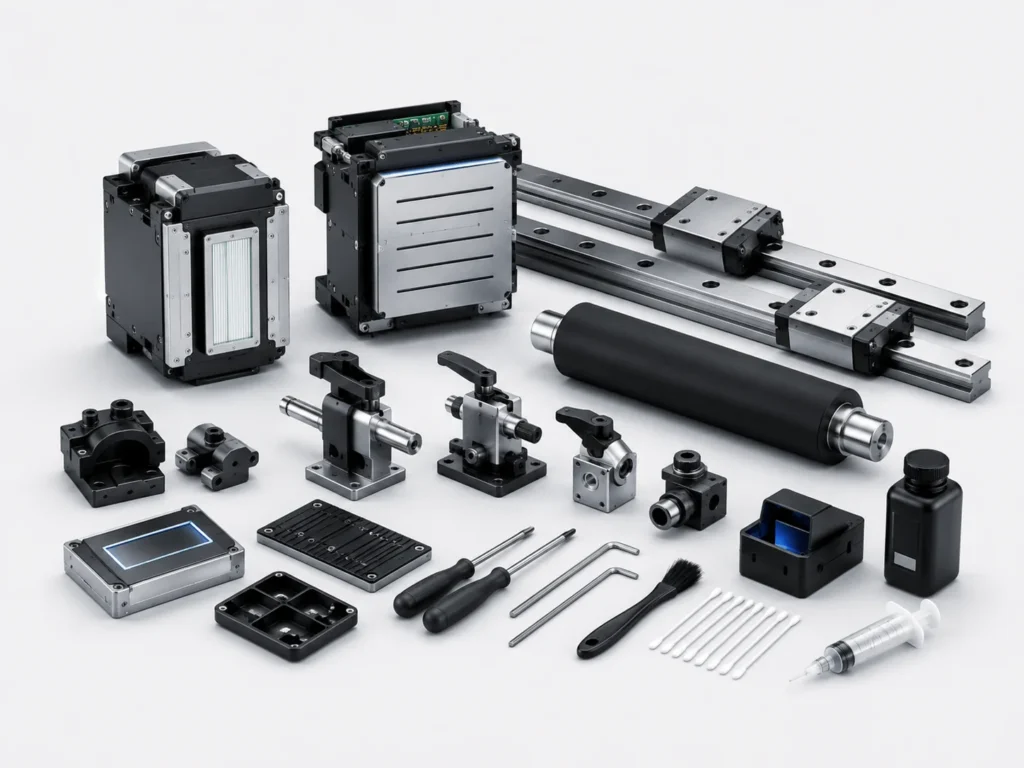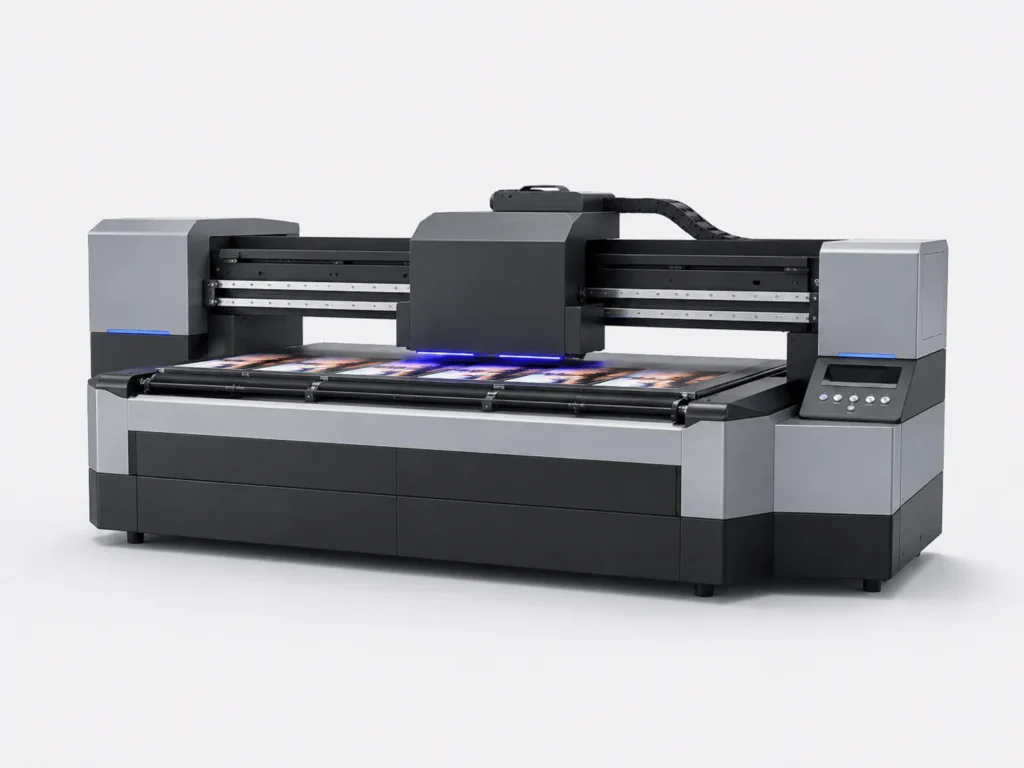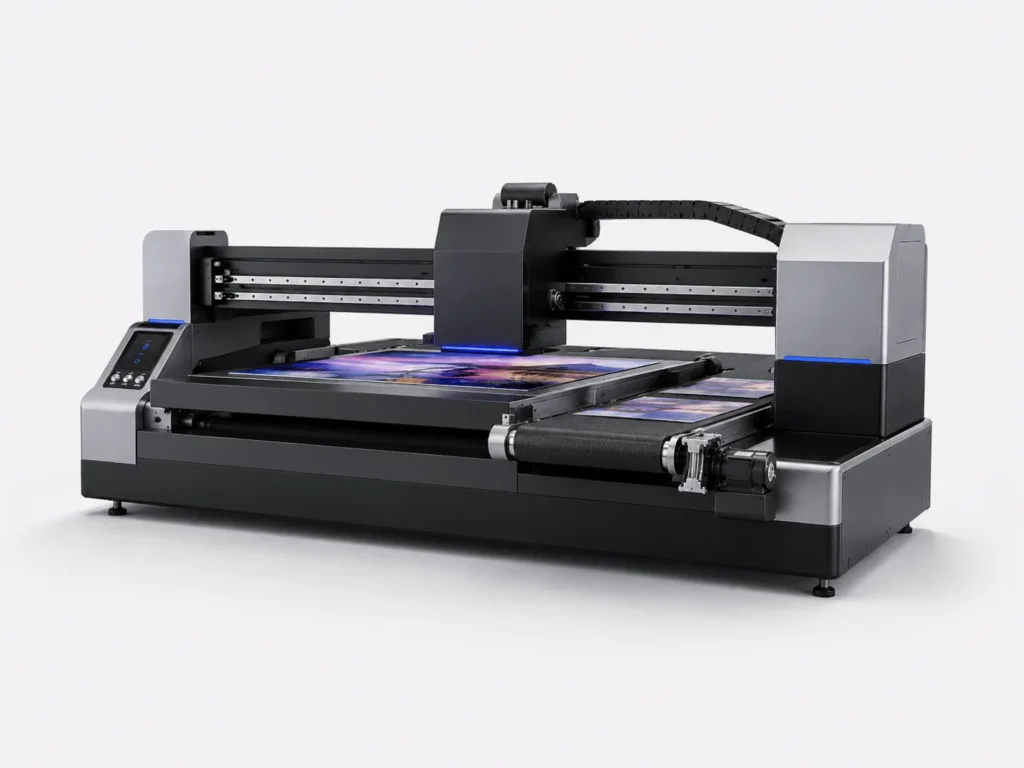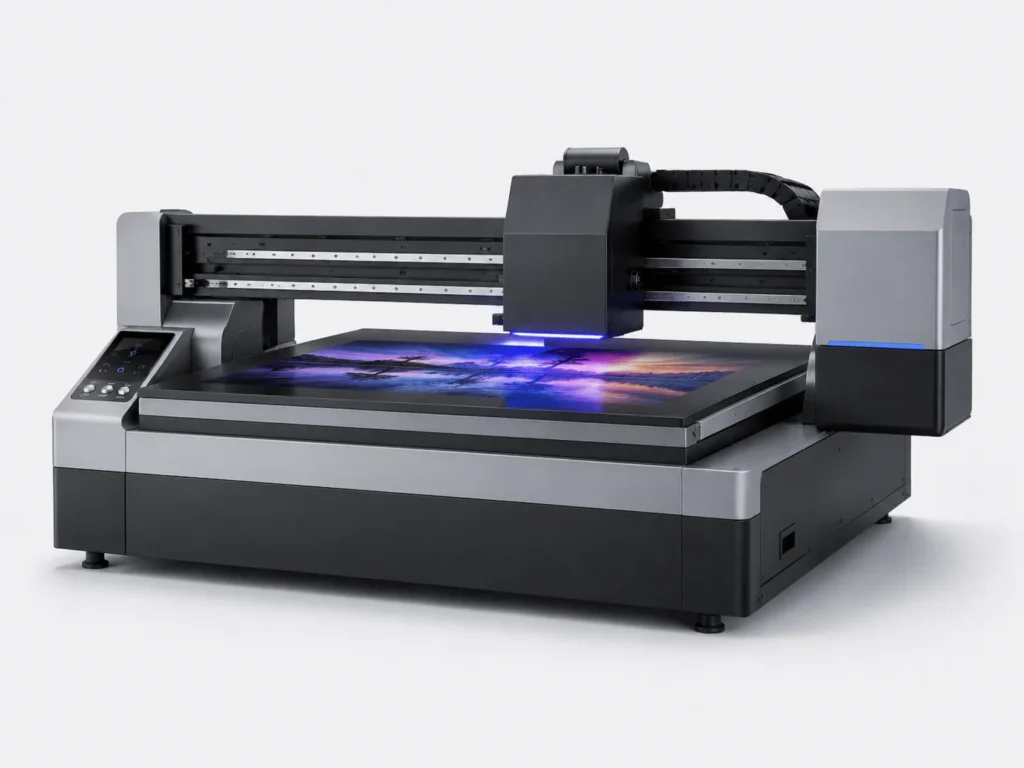
With the rapid development of industrial digital printing technology, the variety of printing equipment is becoming increasingly diverse. In packaging printing, decorative building materials, advertising production, and industrial manufacturing, single-pass printers and traditional scanning printers are two common types of equipment. Although both can complete image printing tasks, there are significant differences in their working methods, production efficiency, application scenarios, and equipment structure. For enterprises, understanding the characteristics of these two types of equipment helps in choosing a more suitable solution based on actual production needs.
Significant Differences in Working Principles
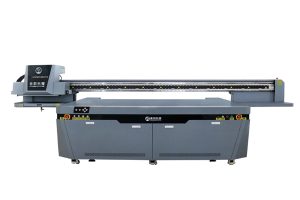
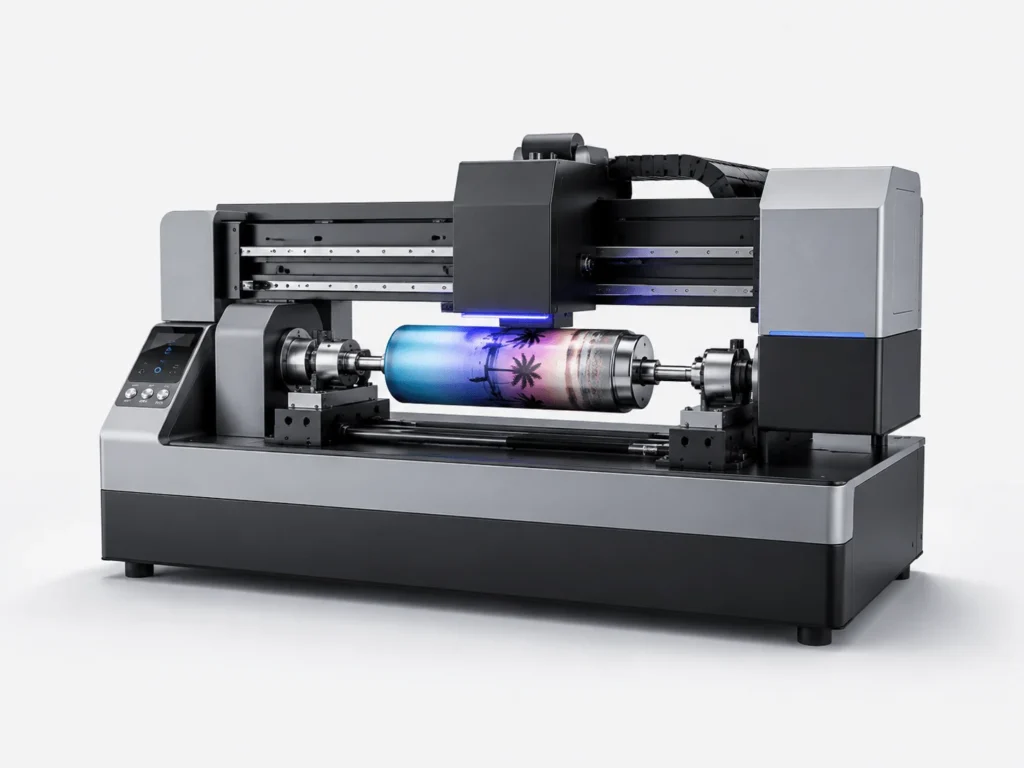
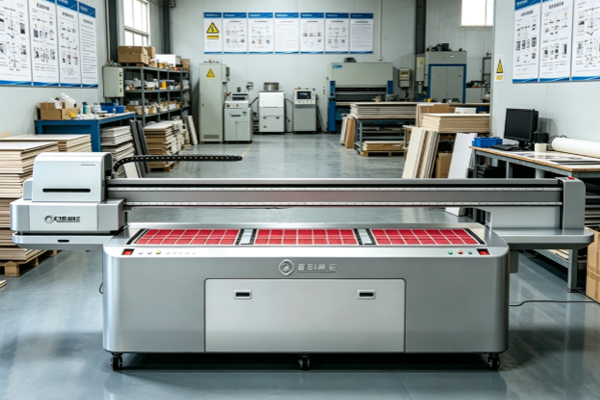
Single-pass printers and traditional scanning printers differ significantly in their operating mechanisms. Single-pass printers use a full-width coverage printhead layout. During printing, the printhead remains fixed, and the material continuously advances through the conveyor system. The image is printed in one pass as it passes through the printhead area, thus enabling high-speed continuous production. Traditional scanning printers, on the other hand, rely on the printhead carriage moving back and forth, scanning line by line to complete the pattern output. This requires repeated movement after each section is completed, resulting in a relatively longer overall printing time. In actual production processes, single-pass printers are more suitable for large-scale, high-efficiency industrial production needs, while scanning printers, with their higher flexibility, are often used for small-batch, diversified, and personalized customization. These different working modes determine the differences in production efficiency, application areas, and equipment configuration between the two types of equipment.
Advantages of Single-Pass Printers
Compared to scanning printers, single-pass printers have the following characteristics:
- Faster printing speed, suitable for large-scale continuous production.
- Higher production efficiency, reducing equipment waiting time.
- Higher degree of automation, facilitating intelligent management.
- Stronger operational stability, suitable for long-term operation.
- Easier to integrate into industrial production lines.
These characteristics make single-pass printers an important piece of equipment in the industrial printing field.
Differences in Print Quality and Production Efficiency
In terms of print quality, both types of equipment can achieve high-precision output, but the methods of achieving this differ. Scanning printers, due to their multiple-pass printing, can improve detail by increasing the number of print passes, thus having an advantage in some high-precision customization scenarios. Single-pass printers, on the other hand, rely on high-density printhead arrangement to achieve high-resolution output, maintaining image quality while achieving higher production speeds.
From a production efficiency perspective, the difference between the two is even more pronounced. Single-pass printers can achieve continuous, non-stop production, making them suitable for long order tasks; scanning printers require multiple scanning actions during the printing process, resulting in a relatively slower overall production speed. The efficiency difference becomes more significant as order sizes increase.
Suitable Application Scenarios for Each Type of Equipment
Different production needs correspond to different equipment choices:
- The packaging and printing industry tends to use single-pass printers.
- High-speed single-pass printing solutions are suitable for corrugated cardboard box production.
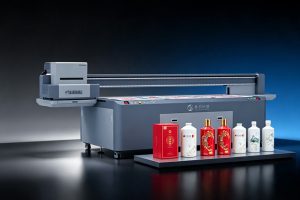
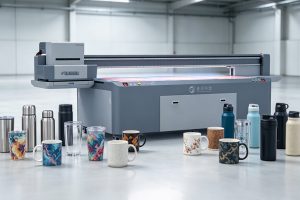
- Scanning printing equipment is commonly used for customized advertising products.
- Scanning printing is more suitable for small-batch personalized orders.
- Single-pass equipment is generally chosen for industrial assembly line production.
When purchasing equipment, companies need to evaluate based on product type and order size.
How Companies Choose the Right Equipment
Equipment selection requires consideration not only of print quality but also of production capacity needs, budget investment, and future development plans. For businesses facing large-volume order production, single-pass printers can help improve overall production efficiency and reduce unit production costs. For businesses primarily focused on customized business and small-batch production, traditional scanning printers offer greater flexibility. As industrial digitalization continues to advance, more and more large manufacturing enterprises are adopting single-pass printing technology to build automated production systems, while scanning and printing equipment continues to maintain stable demand in the advertising, crafts, and personalized customization markets. Making a rational choice based on one’s own business characteristics is crucial to fully realizing the value of the equipment and maximizing production efficiency.