With the widespread application of consumer electronics, smart home appliances and industrial digital devices, plastic materials including ABS, PC, PP and PET have become mainstream substrates for shells of digital equipment, smart wearable devices and home appliance control terminals, thanks to their advantages such as light weight, impact resistance and easy injection molding. Traditional screen printing, pad printing and heat transfer printing gradually expose prominent defects in plastic shell printing, including high plate-making costs, insufficient printing precision, poor curved surface compatibility, substandard environmental protection of printing inks and long cycle for pattern replacement. These processes fail to meet current market demands for small-batch customization, high-definition color printing, special-shaped shell printing and eco-friendly production. Adopting ultraviolet instant curing technology, the plastic equipment shell UV printing solution requires no plate making, adapts to both flat and 3D curved shells, and balances printing adhesion, precision and production efficiency. It perfectly fits the full-range printing demands of digital device shells and has become a mainstream upgrading solution for the plastic shell printing industry.
Pain Points of Traditional Printing Processes for Plastic Equipment Shells
Plastic shells feature smooth and non-porous surfaces with low surface energy, which makes it hard for common inks to attach firmly. In addition, modern equipment shells are mostly designed with arc corners, concave curved surfaces and ultra-thin special-shaped structures. Traditional printing processes can hardly balance printing quality and production stability, and practical production pain points are divided into four core categories.
Poor Material Compatibility and Unqualified Printing Adhesion
Virgin PP and PE plastic shells have extremely low surface tension. Conventional screen printing inks and heat transfer adhesives can only attach to the surface of shells. Patterns are prone to peeling, fading and scratches after warehouse friction, daily hand wiping and alcohol cleaning. Matte frosted plastic shells also suffer from uneven ink spreading and serrated edge defects, resulting in unqualified production yield for mass shipment.
Rigid Production Mode and Weak Customization Order Capacity
High plate-making costs and cumbersome plate replacement procedures severely limit the order flexibility of processing factories. Specific order adaptation problems are summarized as follows:
- Small-batch orders: For customized shell orders within 500 pieces, factories can hardly gain profits after sharing plate-making costs, so most manufacturers refuse such orders;
- Multi-style orders: Frequent screen replacement is required for shells with different colors and patterns of the same model, leading to long production line downtime and debugging time;
- Urgent orders: Traditional processes cannot respond rapidly to emergency pattern revision and parameter modification, resulting in delayed delivery schedules.
Such inherent drawbacks of traditional printing modes make it impossible to keep pace with the small-order and fast-reversal development trend of the current shell processing industry.
Insufficient Pattern Presentation Limiting Product Appearance Upgrade
Modern digital device shells pursue gradient colors, delicate textures, miniature QR codes and ultra-thin LOGO lines. Traditional printing processes have rough printing dots, failing to realize seamless gradient effects and causing blurry or broken fine characters. Meanwhile, uneven ink output on curved surfaces and side chamfers leads to printing faults such as pattern fracture and missing printing, restricting the high-end appearance upgrading of electronic products.
Poor Production Environmental Performance Incompatible with Workshop Standards
Traditional solvent-based inks contain a large number of volatile harmful substances, producing pungent exhaust gas during production. Complete waste gas treatment equipment is required, which increases factory operation costs. Besides, long natural air-drying time of inks occupies large drying areas and causes defective products caused by smudged undried patterns.
Core Process Parameters and Model Matching Table for Plastic Shell UV Printing
Targeted matching of UV printing equipment and process parameters based on plastic shell materials, structures and production capacities supports direct mass production. The table below lists universal mass production parameters covering mainstream plastic shell processing scenarios in the industry.
| Shell Material | Pre-treatment Required | Optimal Printing Resolution | Curing Power Parameter | Applicable Product Scenarios |
| ABS/PC Hard Plastic Shell | Not Required | 720*1200dpi | 350W UV Lamp | Laptop Shell, Power Bank Shell, Remote Control Shell |
| PP/PE Smooth Plastic Shell | Plasma Surface Treatment | 720*1200dpi | 380W UV Lamp | Smart Watch Case, Small Home Appliance Plastic Panel |
| Frosted PET/Acrylic Shell | Not Required | 1440*1440dpi | 320W UV Lamp | Industrial Control Panel, Digital Display Shell |
| 3D Special-shaped Concave-convex Plastic Shell | Partial Corona Treatment | 720*1200dpi | 400W UV Lamp | Curved Earphone Shell, Arc Smart Device Shell |
Standardized Full Process of UV Printing for Plastic Equipment Shells
The whole process produces no waste water or waste gas with concise and connected working procedures. It can be directly connected with automatic injection molding production lines to realize inline printing right after injection molding, reducing product turnover loss.
Pre-printing Surface Cleaning of Shells
Surface cleanliness directly determines subsequent ink adhesion, making this procedure a basic pre-process to guarantee printing yield. Cleaning and pre-treatment standards are formulated according to characteristics of different plastic materials. Workers remove residual release agent, dust and oil stains on injection-molded shells through dust-free alcohol wipes and static dust removal air guns to avoid pattern pinholes and ink peeling caused by surface impurities. For low-surface-energy PP and PE materials, plasma treatment is added to raise shell surface tension above 40mN/m and strengthen ink adhesion fundamentally. Complete pre-treatment can eliminate most printing defects including ink peeling.
Pattern Import and Equipment Positioning Debugging
UV printing relies on a digital control system for pattern matching and equipment debugging without manual positioning, featuring simple operation and high positioning accuracy. Users can directly import vector LOGOs, color patterns, QR codes and serial numbers without plate making and screen exposure. The system automatically adapts to shell dimensions. Equipped with a 3D intelligent distance sensing system, the equipment automatically identifies curved surfaces and height differences, and adjusts nozzle height dynamically to ensure consistent printing definition on concave, convex and side surfaces. No secondary manual calibration is needed after debugging, and the equipment can enter automatic printing immediately.
Inkjet Printing and Instant Curing
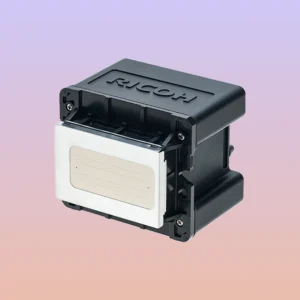
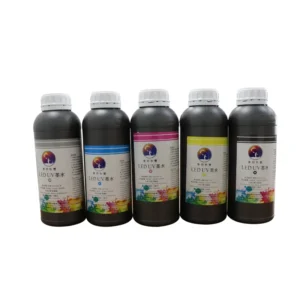
Printing and curing is the core advantage distinguishing UV printing from traditional processes, which realizes instant drying via ultraviolet light and greatly shortens production time. The nozzle sprays special eco-friendly UV ink for plastic accurately, and built-in LED UV lamps cure ink within 0.2 seconds once ink contacts the shell surface. Finished products can be stacked and packaged directly without drying waiting, effectively avoiding pattern smudging. The integrated printing and curing process requires no extra drying stations and saves workshop space efficiently.
Adhesion and Weather Resistance Test for Finished Products
Unified weather resistance tests are required for each batch before mass production to ensure consistent finished product quality. Standard cross-cut tests, alcohol abrasion resistance tests and scratch tests are implemented before formal mass production. Qualified printed patterns can withstand 500 times of repeated alcohol wiping and resist yellowing and fading during long-term outdoor use, meeting the long-term weather resistance requirements of digital devices. Strict offline testing minimizes after-sales quality complaints and ensures stable performance of end products.
Core Competitive Advantages of Plastic Shell UV Printing Solution
Compared with traditional printing technologies, this solution achieves comprehensive upgrades in cost control, production capacity, printing quality and customization capability, meeting the actual production demands of plastic shell processors, digital brand OEM manufacturers and customized accessory suppliers.
Compatibility with All Shell Structures, Suitable for Flat and Curved Surfaces
Most plastic shells on the market are designed with arcs and card slots that cannot be fully printed by traditional processes, while UV printing adapts to all types of special-shaped workpieces perfectly. Breaking the limitation of traditional flat-only printing, this solution supports printing on special-shaped shells with height differences ranging from 0mm to 120mm. Arc corners, inner concave slots and curved sides can be printed in one step without secondary reprinting, solving the industry bottleneck of special-shaped shell printing. It supports full-range dead-angle-free printing for both shallow arc shells and large-height-difference special-shaped accessories.
Significant Cost Reduction and Efficiency Improvement, Suitable for All Order Volumes
This solution cuts production cost and delivery cycle greatly from sample making to mass production, adapting to diversified order demands of processing factories. No plate-making fee and screen storage fee are required. It supports sample orders of 1 piece, small-batch customized orders of hundreds of pieces, and large-volume mass orders of over 100,000 pieces. Production line pattern switching only needs updating electronic files, which takes merely 1 minute. The flexible production mode perfectly fits the fast-paced and multi-style order trend of the electronic shell processing industry.
High-definition Color Restoration to Improve Product Appearance Value
Appearance design has become a key competitiveness of electronic products, and high-precision UV printing effectively improves product market attractiveness. Supporting synchronous CMYK and white ink printing, the solution realizes white background covering, seamless color gradient and embossed tactile effects. Fine QR codes and tiny characters present clear edges without burrs, with higher color saturation than heat transfer and screen printing. It helps electronic manufacturers improve product added value, and restores original design drafts accurately for both minimalist brand logos and complex high-definition creative patterns.
Eco-friendly Safe Production for Easy Environmental Audit Passing
With increasingly stringent environmental inspection nationwide, environmental compliance has become a mandatory standard for printing production lines. UV ink contains no volatile solvent components, producing no peculiar smell, waste gas or sewage during production. No complicated waste gas treatment equipment is required, fully complying with national industrial environmental protection standards and meeting production requirements of dust-free electronic workshops. Factories can pass routine environmental inspections and annual audits easily without extra investment in pollution control equipment.
Applicable Industries and Typical Application Scenarios
This plastic shell UV printing solution covers all kinds of digital plastic shells, involving four core industries: consumer electronics, smart home, industrial digital equipment and smart wearables. Ink hardness, curing parameters and abrasion resistance can be adjusted appropriately according to different industrial product standards.
Consumer Electronic Plastic Shells
Consumer electronics is the most widely applied field of plastic shell UV printing, featuring fast product iteration and rich customized demands. Applicable products include laptop plastic front shells, power bank shells, Bluetooth earphone plastic shells and mobile phone middle frames. It provides high-definition LOGO printing, personalized pattern customization and serial number marking services, satisfying standardized brand marking and creative customization demands simultaneously. The solution matches both mass standardized production and personalized e-commerce customization requirements.
Smart Wearable Device Shells
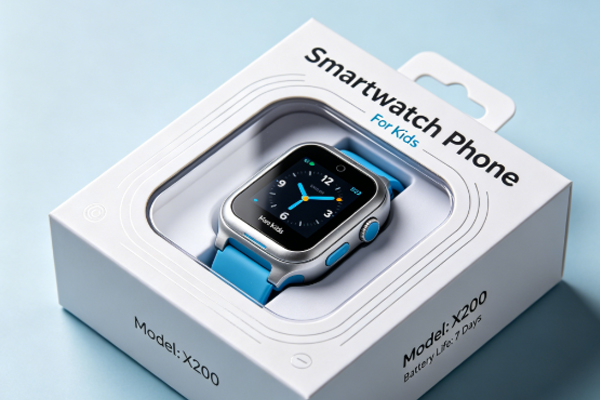
Smart wearable shells feature small size, large radian and dark base color, bringing higher printing difficulty than ordinary plastic shells. The UV printing solution is optimized for such precision small parts, covering plastic watch cases, sports bracelet shells and smart glasses plastic brackets. It supports precise printing on ultra-thin narrow curved surfaces, and strong white ink coverage ensures clear bright patterns even on dark plastic shells. It effectively solves the industry difficulties of printing on narrow curved surfaces and dark substrates.
Smart Home Plastic Panels
Smart home products serve long-term indoor use, requiring printed patterns with excellent wear resistance and wiping resistance. This solution meets the long-term durability requirements of home appliances. Typical products include air conditioner remote control shells, switch control panels and robot vacuum plastic shells. Printed contents cover function marks, brand LOGOs and parameter scales, resisting daily friction and wiping. Printed characters remain clear throughout the whole service life of home appliances without wear and blur.
Industrial Digital Equipment Shells
Industrial equipment operates in harsh working environments with strict requirements on oil resistance, scratch resistance and acid-base resistance of printed layers. The industrial-grade UV printing process meets all harsh working condition standards. Suitable products include industrial control host shells, portable testing instrument shells and communication equipment plastic parts. Printed patterns resist oil contamination, scratch and corrosion in complex workshop environments and maintain complete integrity under harsh working conditions such as dust, oil stains and frequent manual contact.
With accelerating appearance iteration of digital devices, flexible plateless high-definition digital printing will gradually replace traditional printing processes. This plastic equipment shell UV printing solution solves four core industry problems including poor ink adhesion on plastic materials, difficult printing on special-shaped parts, high customization cost and substandard environmental performance. It helps shell processing factories optimize production lines rapidly, adapt to variable customized market orders and build differentiated printing competitiveness.