With toy products continuously developing toward personalization, diversification, and branding, consumers are placing higher demands on toy appearance. Whether it is children’s toys, anime merchandise, educational toys, collectible figures, or gift toys, exquisite patterns, vivid colors, and clear details have become key factors influencing product competitiveness. In the past, toy surface decoration mainly relied on stickers, pad printing, and screen printing. However, with the upgrading of market demand, these traditional processes have gradually shown limitations in pattern complexity, color reproduction, and production efficiency. The emergence of high-precision color printing technology has provided the toy industry with a more flexible and efficient solution. Through digital printing equipment, design patterns can be directly printed onto toy surfaces, enabling photo-level image output, multi-color gradient effects, and personalized customization. This not only improves product appearance quality but also reduces plate-making costs, increases production efficiency, and meets the market demands of small-batch, multi-batch, and fast delivery. At present, high-precision color printing has been widely used in plastic toys, building blocks, wooden toys, model figures, blind box toys, remote-control toys, and various cultural and creative product surface decoration fields, becoming one of the important manufacturing processes in modern toy production.
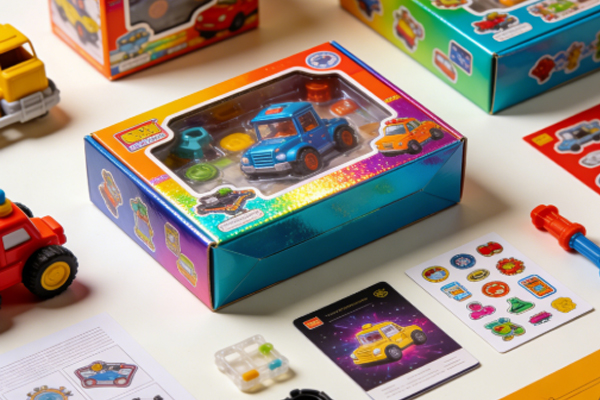
What is High-Precision Color Printing in the Toy Industry?
High-precision color printing is a digital inkjet-based processing method that directly prints color patterns onto toy surfaces. It can achieve high-definition, high color reproduction, and wear-resistant scratch-resistant pattern effects on different materials. Compared with traditional printing methods, high-precision color printing does not require complex plate-making processes; production can start simply by importing design files. Therefore, whether it is mass production orders or personalized customization orders, production can be completed quickly.
What Effects Can High-Precision Color Printing Achieve?
| Printing Effect | Application Performance |
| High-definition patterns | Character images and cartoon designs are clearer |
| Color gradients | Smooth color transitions |
| Multi-color printing | Complex patterns completed in one pass |
| Embossed texture | Enhanced 3D visual effect |
| Personalized customization | Supports small-batch customization |
| Brand logo printing | Improves product recognition |
For example, facial expressions, clothing patterns, and complex background designs on anime character toys can all be printed in one step without multiple color registration processes.
Why Are Toy Companies Paying More Attention to Color Printing?
For consumers, the first impression of a toy often comes from its visual design. If patterns are blurry or colors are inaccurate, even if the product functions well, it may still affect purchasing decisions. High-precision color printing enables toys to have richer visual expression, thereby increasing added value and market competitiveness. At the same time, high-quality printing helps build a consistent brand image and enhance product grade.
How is High-Precision Color Printing for Toys Achieved?
In toy manufacturing, high-precision color printing is not simply “printing a pattern onto a surface,” but a complete process involving design, material adaptation, equipment control, curing, and quality inspection. Due to the diversity of toy materials, complex shapes, and high color requirements, any improper step may lead to blurred images, color deviation, or poor adhesion. Therefore, the entire process is divided into multiple standardized steps to ensure consistency and stability.Below is the full production workflow from design to finished printed product.
Step 1: Pattern Design and File Processing
In the entire high-precision color printing process, the design stage occurs before production, but it is the key factor determining the final visual effect. The market appeal of many toy products depends on first visual impact, such as vivid colors, clear patterns, and accurate character reproduction. Therefore, before production begins, designers must consider the toy’s structure, target audience, and product positioning, continuously adjusting the design to ensure both artistic expression and print feasibility.
First, the pattern is designed based on product requirements. Designers adjust and optimize patterns according to toy shape, color, and target consumers. For example, children’s toys tend to use bright and lively colors, while collectible models focus more on detail accuracy. After completion, the file must be converted into a format recognizable by the equipment and undergo color calibration. During this process, another important factor must be considered: different materials absorb color differently. For example, plastic and wood surfaces produce different color results. Therefore, color prediction must be made during the design stage to avoid deviations later.
Step 2: Toy Surface Pre-Treatment
If design determines “what the pattern looks like,” then surface treatment determines “whether the pattern can firmly adhere.” Many printing defects are not caused by equipment or design but by dust, oil, or microscopic impurities on the surface, which prevent ink from adhering evenly. Therefore, before printing, strict cleaning and preparation are required to ensure stable print quality.
Common treatment steps include:
- Dust removal
- Oil removal
- Static elimination
- Surface leveling
If impurities remain, print quality may be affected, leading to uneven color or defects.In addition to basic cleaning, high-end products may undergo surface activation treatment to improve ink adhesion and durability, especially for toys requiring long-term use or frequent friction.
Step 3: Positioning and Printing
After design preparation and surface treatment, the core production stage begins—printing. Although it seems simple, it involves positioning accuracy, inkjet control, and material compatibility. Any misalignment may result in shifting, stretching, or distortion, so high equipment precision is required.The toy is fixed on a dedicated fixture, and the equipment automatically identifies the printing area. Printing is then carried out according to preset programs. The system precisely controls ink droplet placement to ensure sharp edges and uniform color. For irregular toys such as figures, models, and spherical objects, custom fixtures ensure accurate positioning.Modern high-precision printers are equipped with automatic recognition systems that adjust printing paths based on product shape. Multi-printhead systems also enable synchronized multi-color output, reducing color deviation.
Step 4: Curing and Forming
After printing, the ink layer is not yet stable. Without curing, it may be scratched or peeled during handling or packaging. Therefore, curing is essential to ensure durability and lifespan.After printing, the pattern is quickly cured. The cured layer firmly adheres to the surface, improving wear and scratch resistance. After curing, inspection follows. Depending on material and ink type, curing methods include UV curing and thermal curing. The cured layer forms a protective film that enhances color richness and friction resistance.
Step 5: Quality Inspection
Quality inspection is the final step and ensures products can enter the market. Since toys are often used by children or collectors, strict requirements exist for appearance consistency, safety, and durability.
Inspection items include:
| Inspection Item | Purpose |
| Color consistency | Ensure batch uniformity |
| Pattern clarity | Check detail quality |
| Adhesion test | Prevent peeling |
| Wear resistance | Improve lifespan |
| Appearance check | Ensure overall quality |
After inspection, products proceed to packaging and shipping.Inspection combines manual sampling and equipment testing. For export or high-end IP toys, stricter tests such as drop tests and friction tests may be added.
Technical Details in High-Precision Color Printing Solutions
As toy appearance requirements continue to rise, consumers are no longer satisfied with simple color decoration. They pay more attention to clarity, brightness, realism, and overall texture. Only by controlling every technical step can stable printing quality be ensured in mass production.
Color Reproduction Technology
Color is often the first thing consumers notice. For anime IP toys and branded figures, color accuracy is critical. High-precision printing uses digital color management to closely match design output, reducing color differences and ensuring consistency across batches. This is especially important for series products and customized gifts.
Complex Curved Surface Printing Capability
Modern toys feature complex shapes such as curves, grooves, and 3D structures. Traditional printing struggles with deformation or misalignment. High-precision equipment uses positioning systems and fixtures to print accurately on irregular surfaces, ensuring clear and natural patterns on figures, blind box toys, and models.
Small-Batch Custom Production Capability
Consumer demand for personalization is growing rapidly. Digital printing eliminates plate-making costs, allowing flexible production of limited editions, commemorative toys, corporate gifts, and IP collaborations. It enables fast switching between designs and supports market testing with low risk.
Production Efficiency Improvement
Speed is critical in the toy market. Traditional processes require plate-making and multi-step printing, while digital printing allows direct output.
Comparison:
| Item | Traditional Process | High-Precision Color Printing |
| Plate-making | Required | Not required |
| Design switching | Slow | Fast |
| Small-batch cost | High | Low |
| Multi-color printing | Multi-step | One-step |
| Customization | Difficult | Flexible |
Digital production enables fast switching between designs, improving efficiency and reducing cost.
FAQ
Do toy surface prints fade easily?
Normally no. After curing, the pattern is firmly attached and has good wear resistance during handling and transport.
Can all toy materials be printed?
Most materials such as plastic, ABS, acrylic, PVC, wood, and some metals are compatible, with parameter adjustments required for different materials.
Is small-batch production suitable?
Yes. No plate-making is required, making it ideal for tens or hundreds of units.
Can photo-quality effects be achieved?
Yes. High-resolution images, cartoon characters, logos, and complex artwork can all be reproduced with good detail.
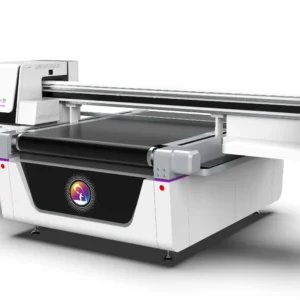
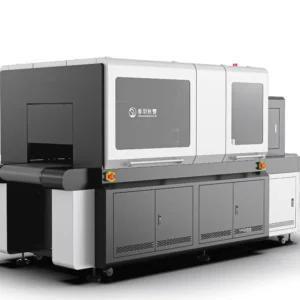
In today’s increasingly competitive toy market, appearance plays a key role in consumer decisions. High-precision color printing technology addresses limitations of traditional processes and provides efficient, flexible production. From design input to surface treatment, printing, curing, and inspection, it forms a complete solution. Whether for anime toys, educational toys, blind boxes, or cultural products, it delivers outstanding visual results and stronger market competitiveness.If you are looking for high-precision UV printing solutions for the toy industry or want to improve product appearance and production efficiency, you can explore more advanced industrial UV digital printing solutions.
Springyprinter was founded in 2015 and is a manufacturer specializing in R&D, production, and sales of industrial UV digital printing equipment. The company focuses on designing and manufacturing industrial UV printers for commercial and industrial applications. All products are developed based on market needs and supported by a complete engineering, manufacturing, and quality management system. Equipment is produced under ISO standards and has passed CE and RoHS certifications, with OEM and ODM customization services available. With more than 10 years of industry experience, the company has served over 3,000 partners and holds more than 400 patents. Its products are widely used in various industrial printing fields. Welcome to inquire for cooperation solutions.