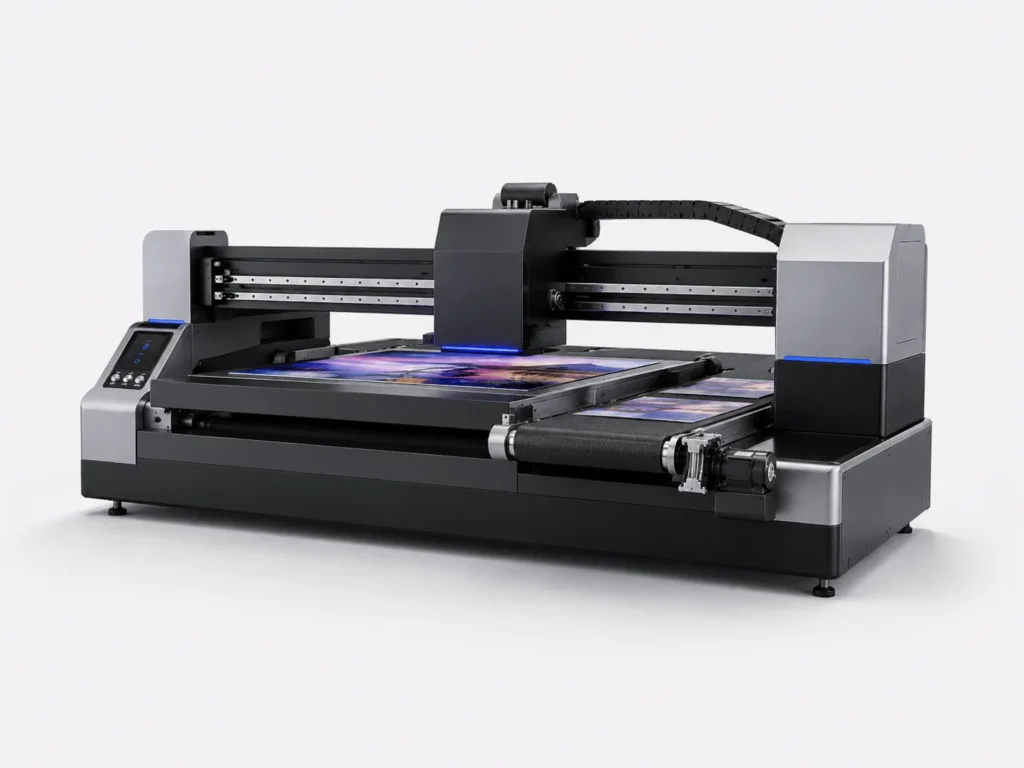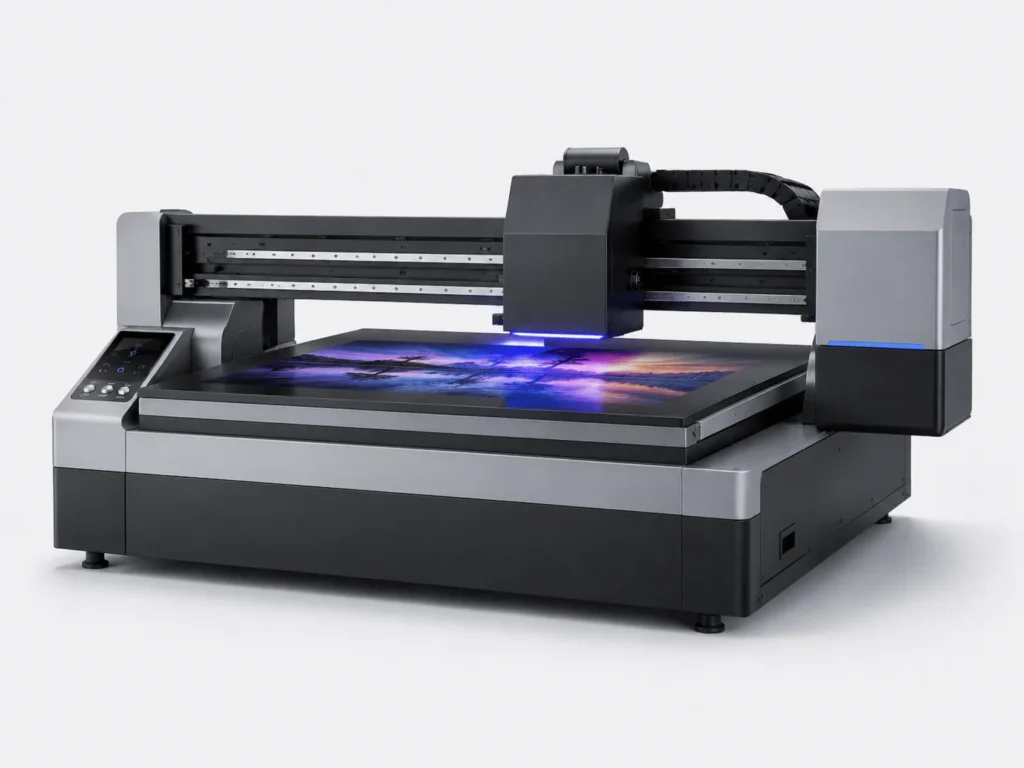
The printhead is one of the most crucial components of a single-pass printer, and its working condition directly affects printing accuracy, production efficiency, and equipment stability. In continuous industrial production environments, printheads need to perform high-frequency inkjet operations for extended periods. Without proper maintenance, problems such as printhead clogging, ink breakage, and ink splatter can easily occur, potentially shortening the printhead’s lifespan. For businesses, mastering correct printhead maintenance methods helps reduce maintenance costs and maintain long-term stable equipment operation.
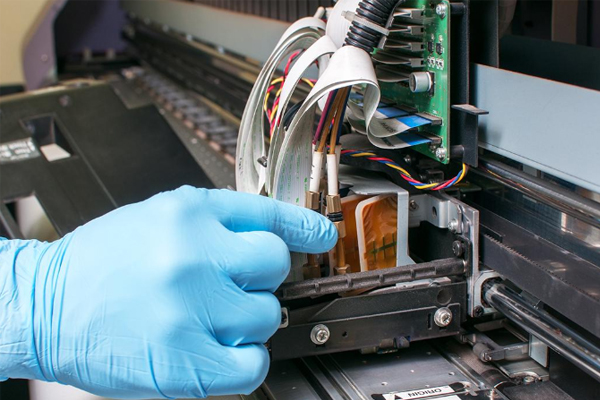
Daily Cleaning is a Crucial Foundation for Printhead Protection
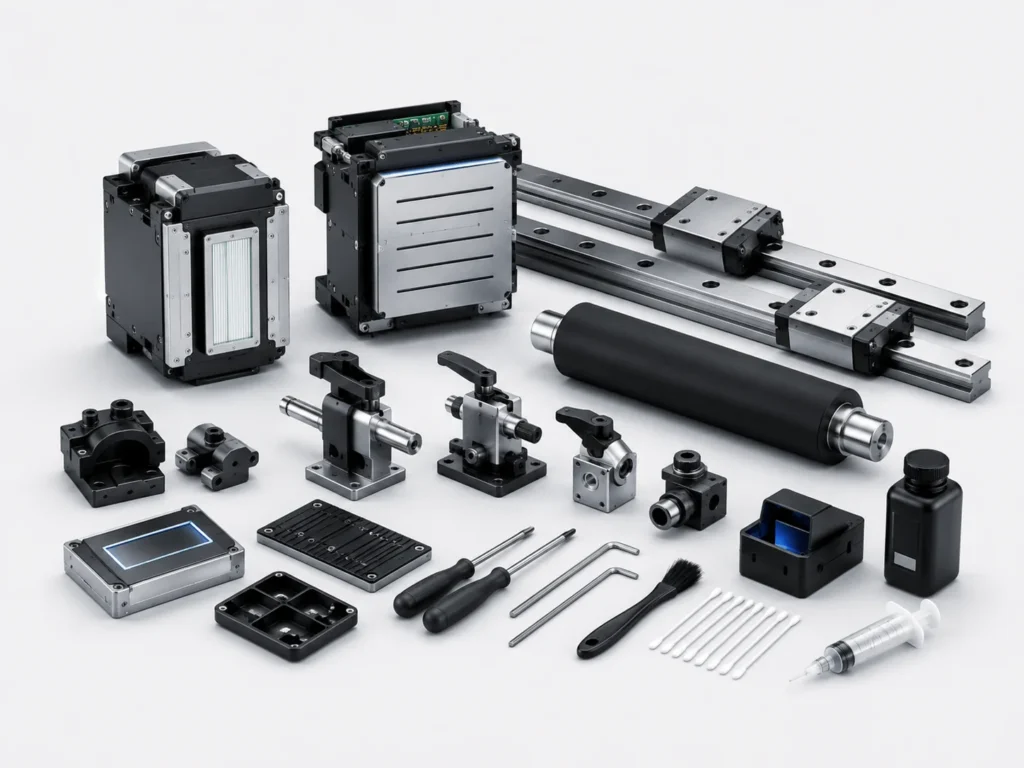
During operation, the printhead comes into contact with ink, dust from the air, and fine particles from material surfaces. If these impurities accumulate, the nozzle area can easily become clogged, affecting normal inkjet printing. Therefore, after equipment operation, it should be cleaned promptly according to the standard procedure. Cleaning should use the manufacturer-recommended cleaning solution and lint-free wiping tools. Avoid using ordinary paper towels or materials with fibrous residue to directly contact the printhead surface. Keeping the nozzle area clean not only helps improve print quality but also reduces the failure rate.
Key Aspects of Printhead Maintenance
During routine maintenance, the following items should be checked:
- Whether the nozzles are functioning normally.
- Whether the ink path system is unobstructed.
- Whether there is residual ink on the printhead surface.
- Whether the negative pressure system is stable.
- Whether the cleaning device is functioning properly.
Establishing a fixed inspection system can effectively reduce abnormal printhead downtime.
Ink Management Directly Affects Printhead Lifespan
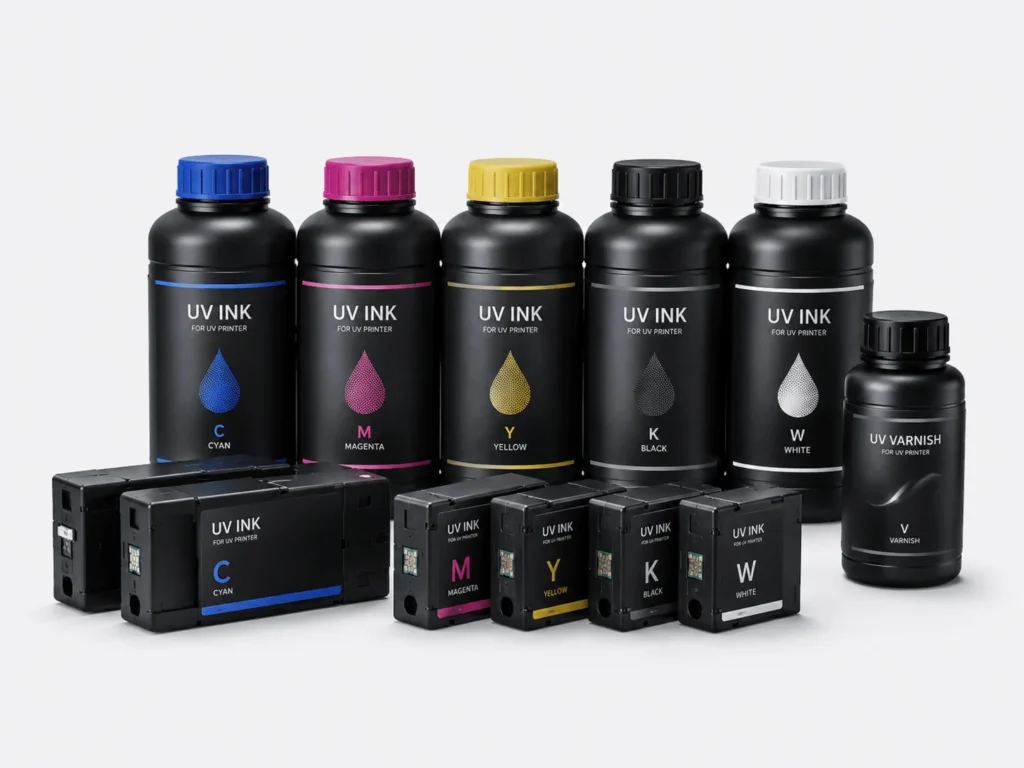
There is a high degree of matching between printheads and inks. Different types of inks differ in viscosity, particle size, and curing characteristics. Long-term use of non-standard inks can easily lead to nozzle clogging and even damage to the internal structure. Simultaneously, ink storage conditions are also crucial. High temperatures, low temperatures, or prolonged exposure to air can all affect ink stability. Enterprises should strictly adhere to supplier requirements for storage and replacement during use to ensure the ink remains in good condition. Stable ink quality reduces printhead load and improves overall printing quality.
How to Reduce the Risk of Printhead Clogging
To reduce printhead clogging, the following measures can be taken:
- Regularly execute automatic cleaning programs.
- Keep the equipment operating environment clean.
- Avoid prolonged periods of inactivity.
- Use industrial ink that meets the required specifications.
- Perform shutdown maintenance according to specifications.
Especially before long-term shutdowns, complete the sealing and protection process to prevent ink from drying inside the printhead.
Correct Operation Helps Extend Printhead Lifespan
The lifespan of a printhead depends not only on the frequency of maintenance but also on daily operating methods. Many malfunctions do not occur suddenly but accumulate gradually due to improper use.
- Avoid abnormal power outages and forced shutdowns during equipment operation. Sudden interruptions may cause residual ink inside the printhead to dry, increasing the probability of clogging.
- Address alarm prompts promptly. Do not continue operation with malfunctions, otherwise the printhead may operate under abnormal pressure or temperature.
- Before each shutdown, complete the cleaning and sealing process according to the procedure. Skipping the cleaning step will cause residual ink to accumulate in the ink path, making it easier for print lines to break when printing resumes.
- Regularly organize operational training to familiarize staff with the startup, shutdown, cleaning, and daily inspection procedures, reducing human error.
Standardized operation not only ensures print quality but also reduces printhead wear. For continuous production enterprises, establishing standardized operating procedures and continuously strengthening training can keep printheads in a more stable working state.
With the continuous development of industrial digital inkjet printing technology, printhead costs account for a large proportion of the total equipment investment. Through scientific cleaning, standardized ink usage, reasonable inspection, and correct operation, printhead lifespan can be significantly extended, equipment utilization can be improved, and a more stable and efficient production environment can be created for enterprises.