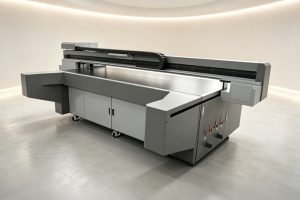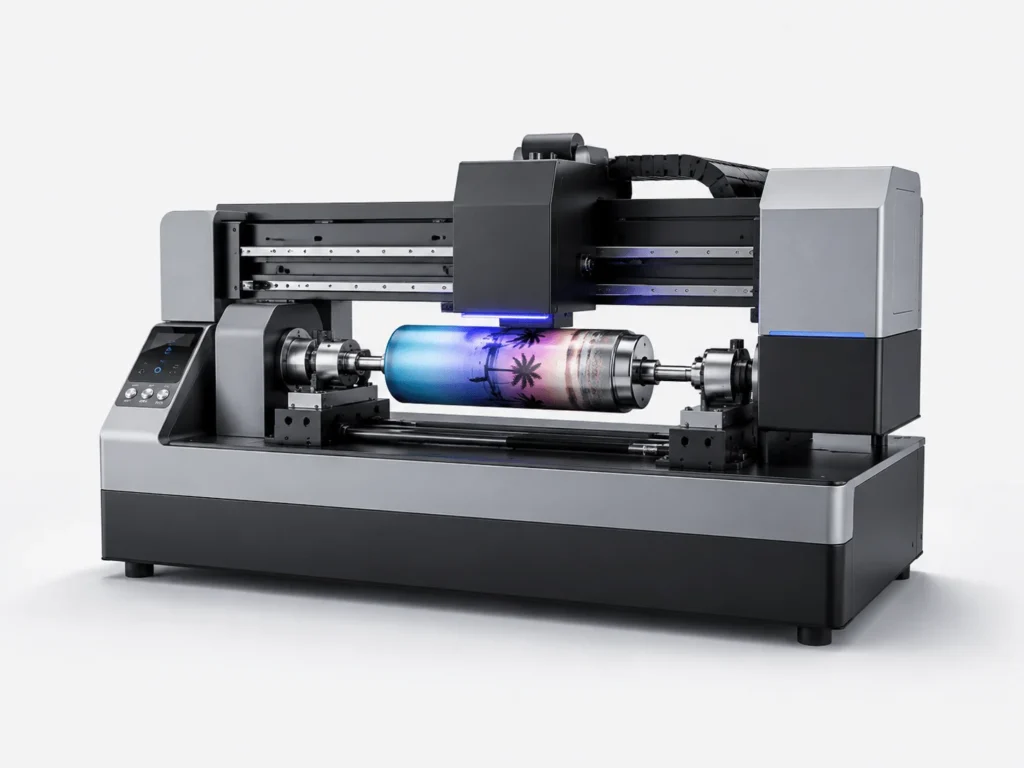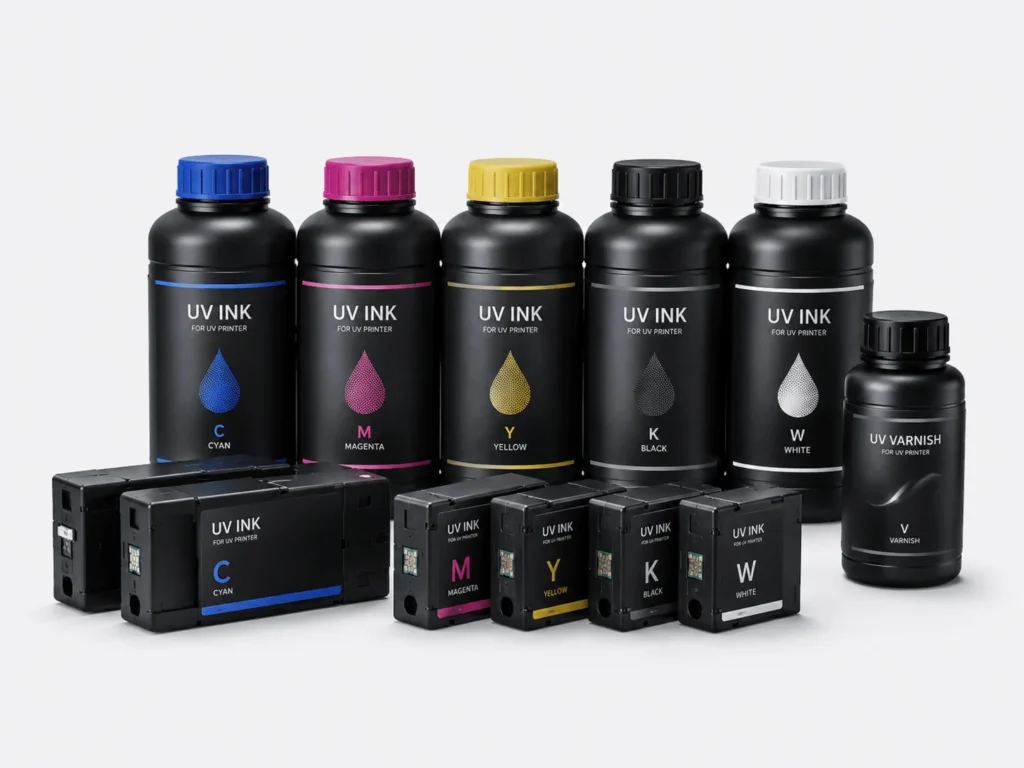
As industries such as packaging, industrial manufacturing, advertising, and decorative materials continue to pursue greater productivity, high-speed continuous printing has become an essential requirement for modern production lines. Traditional printing equipment often struggles to meet growing demands for large-volume orders because production speed is limited by repeated carriage movement, mechanical operation, and manual adjustments. Single pass printers overcome these limitations through a one-pass digital printing process that combines fixed industrial printhead arrays, intelligent data processing systems, automatic material transport, and instant UV curing. Materials pass through the printing area only once while the complete image is produced in a continuous operation. This advanced manufacturing method significantly increases productivity, minimizes production delays, and enables businesses to process high-volume orders with greater efficiency and consistency.
Working Principle of High-Speed Single Pass Printing
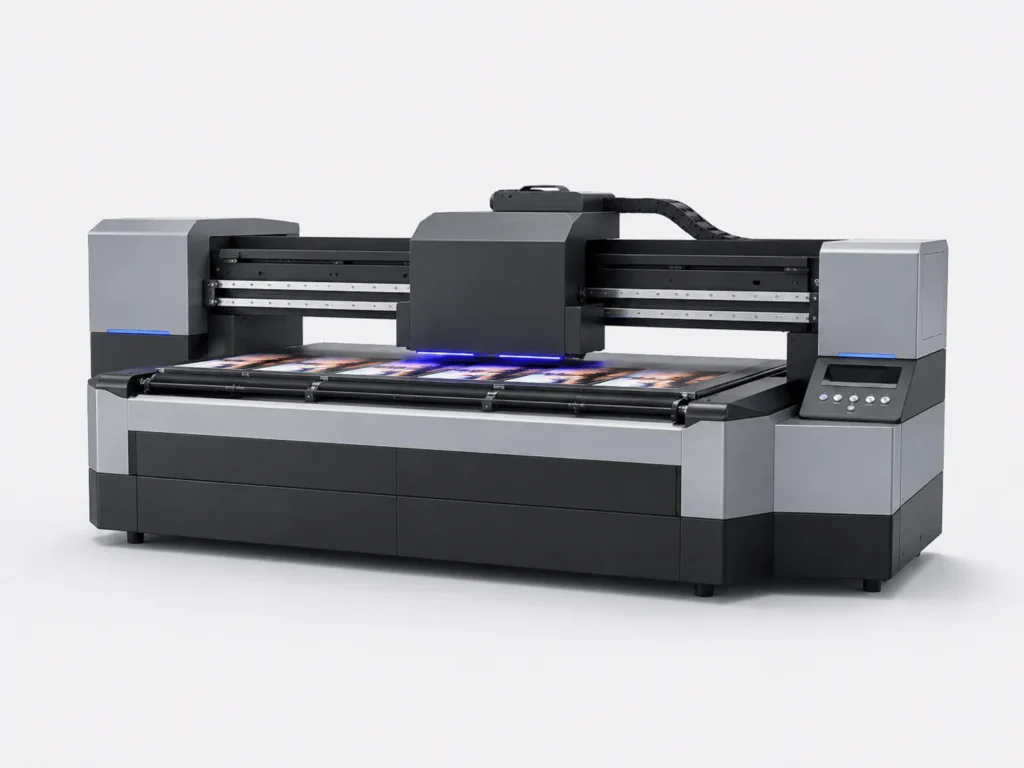
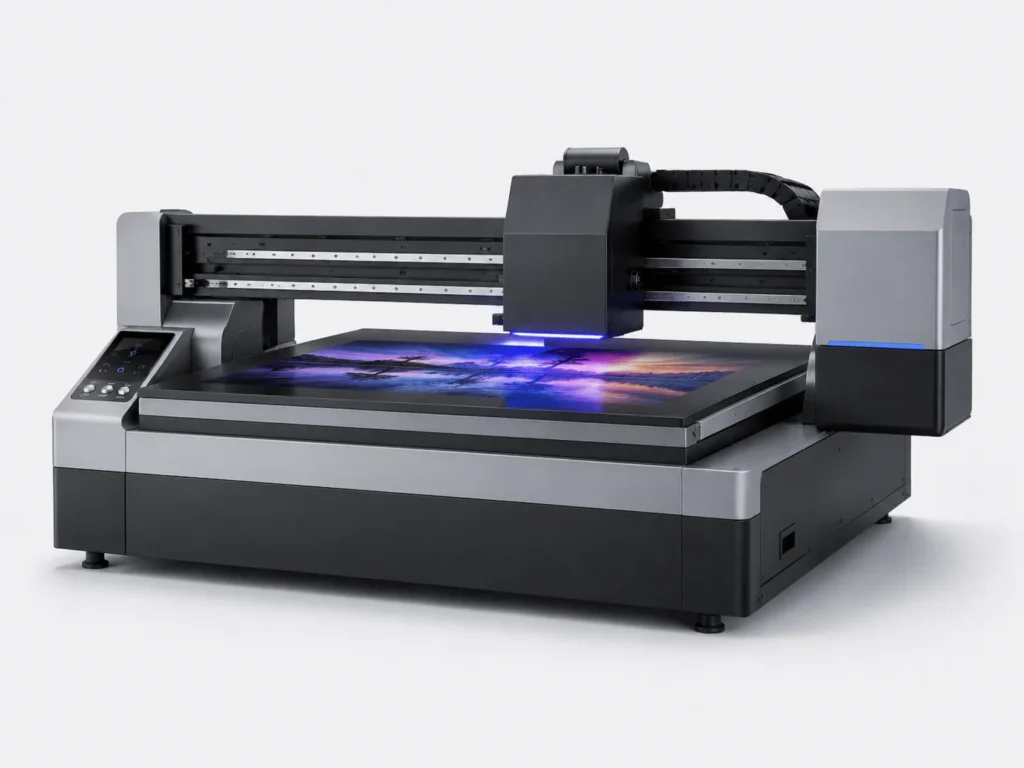
The defining feature of a single pass printer is its fixed printhead array. Unlike conventional scanning printers that require printheads to move back and forth across the substrate multiple times, a single pass printer positions numerous industrial printheads across the full printing width. As materials travel beneath the stationary printheads, the entire image is printed in one continuous pass.
A typical production workflow includes:
- Import digital artwork into the printer control system.
- Automatically process graphics, colors, and production parameters through RIP software.
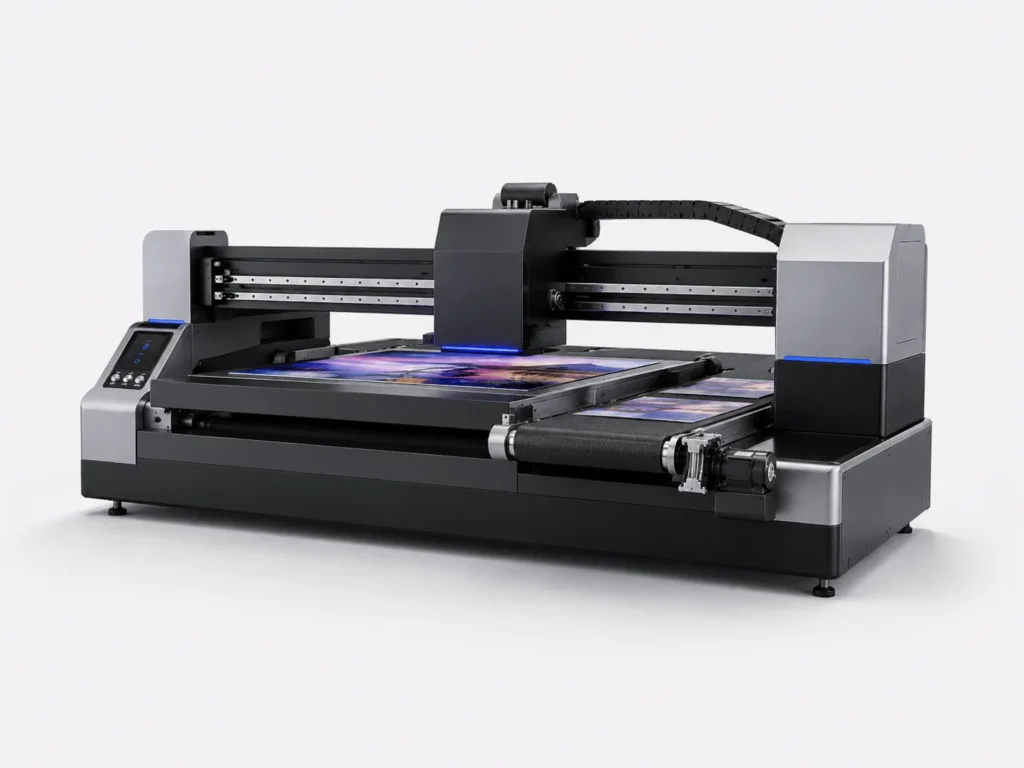
- Feed materials into the printing area using an automatic conveyor system.
- Print the complete image simultaneously through fixed industrial printhead arrays.
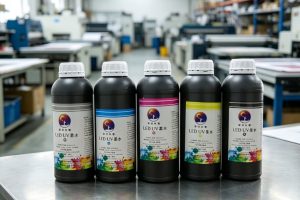
- Instantly cure UV ink during the printing process.
- Transfer finished products directly to inspection, packaging, or subsequent manufacturing operations.
Since the printheads remain stationary throughout production, mechanical movement is minimized, allowing the equipment to maintain extremely high production speeds while reducing unnecessary mechanical wear.
Business Value of High-Speed Continuous Production
High-speed continuous production enables manufacturers to optimize workflow efficiency while significantly increasing order processing capacity. Packaging companies can complete large volumes of cartons, paperboard products, and display materials within shorter production cycles, improving delivery performance. Industrial manufacturers benefit from continuous machine operation with fewer interruptions, allowing production lines to maintain stable output over extended periods. Digital printing also enables immediate design changes without complicated production preparation, making it easier to handle customized products alongside large-scale manufacturing. Improved equipment utilization, reduced manual intervention, and shorter production intervals help businesses maximize productivity while lowering long-term operating costs.
Core Technologies That Enable High-Speed Continuous Production
The outstanding productivity of single pass printers depends on several advanced technologies working together throughout the manufacturing process.
Key technologies include:
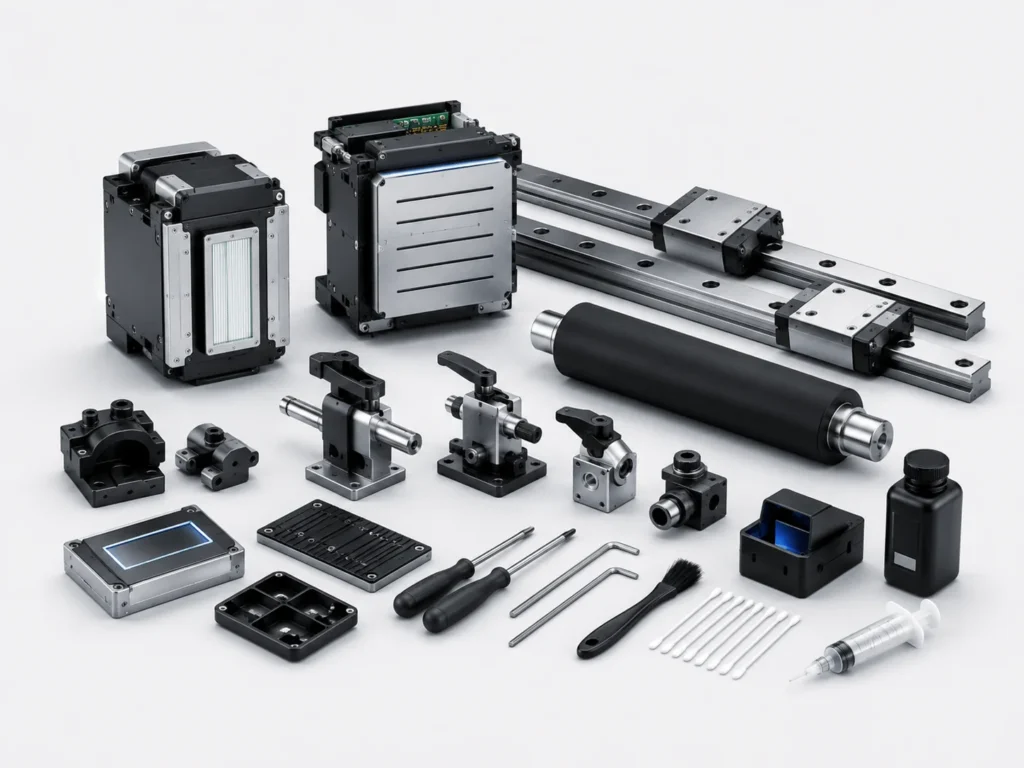
- Fixed Industrial Printhead Arrays:Multiple industrial printheads are installed across the entire printing width, allowing complete images to be produced during a single material pass while maximizing printing speed.
- High-Speed Data Processing:Advanced controller systems rapidly process large graphic files and continuously transmit printing data, ensuring stable operation even during high-speed production.
- Precision Material Transport:Automatic conveyor systems maintain consistent material movement, minimizing positioning errors and ensuring reliable image alignment throughout continuous production.
- Instant UV Curing Technology:UV curing units solidify the ink immediately after printing, eliminating waiting time between production stages and supporting uninterrupted manufacturing.
- Intelligent Monitoring Systems:Many industrial printers include automatic monitoring functions that continuously detect printing conditions, helping operators identify abnormalities before production quality is affected.
- Stable Ink Supply Management:Professional ink circulation systems provide consistent ink delivery during long production runs, reducing interruptions caused by ink supply instability.
Together, these technologies enable single pass printers to deliver exceptional productivity while maintaining consistent printing quality across large production volumes.
Typical Applications of High-Speed Single Pass Printing
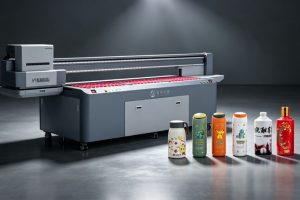
Single pass printers are widely used in packaging production, corrugated board manufacturing, advertising signage, furniture panels, decorative building materials, industrial product decoration, and many other commercial applications. Packaging manufacturers use these printers to produce large quantities of colorful cartons and boxes with excellent efficiency. Advertising companies rely on continuous printing for display boards, promotional signage, and exhibition graphics. Furniture manufacturers apply digital printing technology to decorative panels featuring customized patterns and textures. Businesses requiring continuous production benefit from shorter setup times, improved equipment utilization, and the flexibility to respond quickly to changing market demands while maintaining consistent product quality.
Best Practices for Maintaining High-Speed Continuous Production
Maintaining maximum production efficiency requires standardized operating procedures together with preventive equipment maintenance.
Recommended operating practices include:
- Configure appropriate printing parameters according to different substrate materials.
- Regularly inspect printhead performance to ensure accurate inkjet operation.
- Keep the ink supply system clean to maintain uninterrupted production.
- Inspect automatic conveyor systems to ensure smooth and stable material transport.
- Perform routine maintenance on UV curing units to guarantee complete ink curing.
- Record equipment operating data to identify potential issues early.
- Provide professional operator training to improve production efficiency.
- Establish preventive maintenance schedules to minimize unexpected downtime.
Standardized equipment management helps extend service life, improve production stability, reduce maintenance costs, and maximize the productivity advantages of single pass printing technology.
As industrial digital printing continues to advance, single pass printers have become one of the most effective solutions for achieving high-speed continuous production. Through fixed printhead architecture, intelligent data processing, automatic material transport, stable ink management, and instant UV curing, these systems enable manufacturers to increase productivity, reduce labor requirements, improve operational reliability, and build highly efficient digital production lines. For companies focused on rapid delivery, large-scale manufacturing, and long-term business growth, single pass printing technology provides a reliable foundation for improving production performance and strengthening market competitiveness.