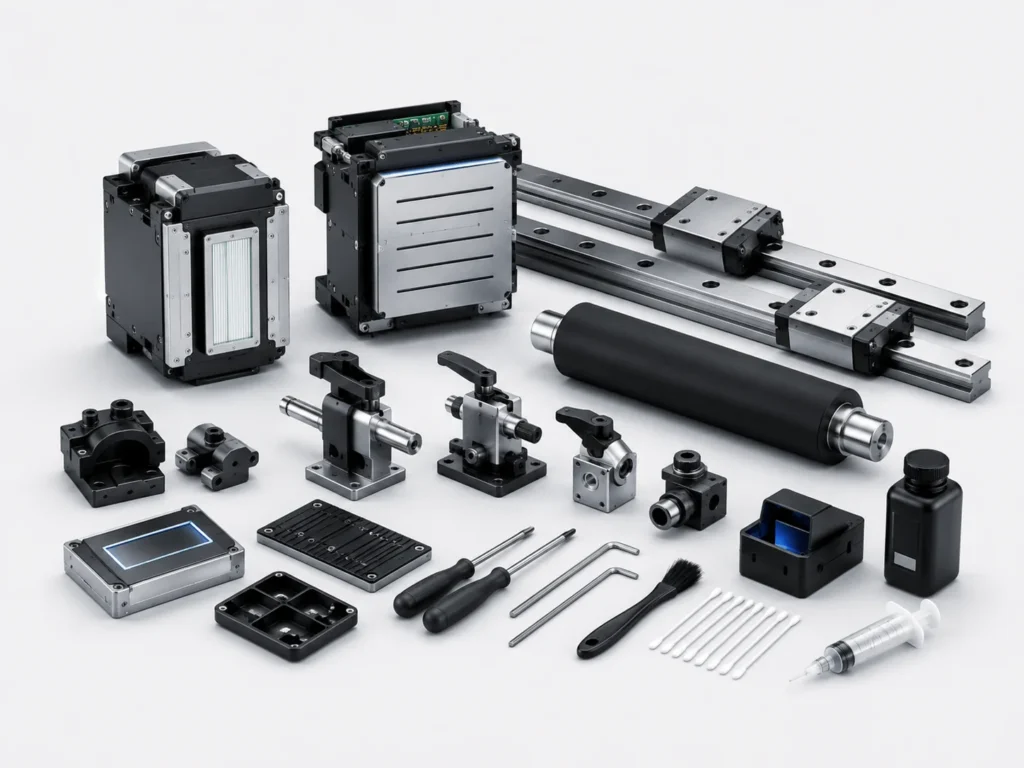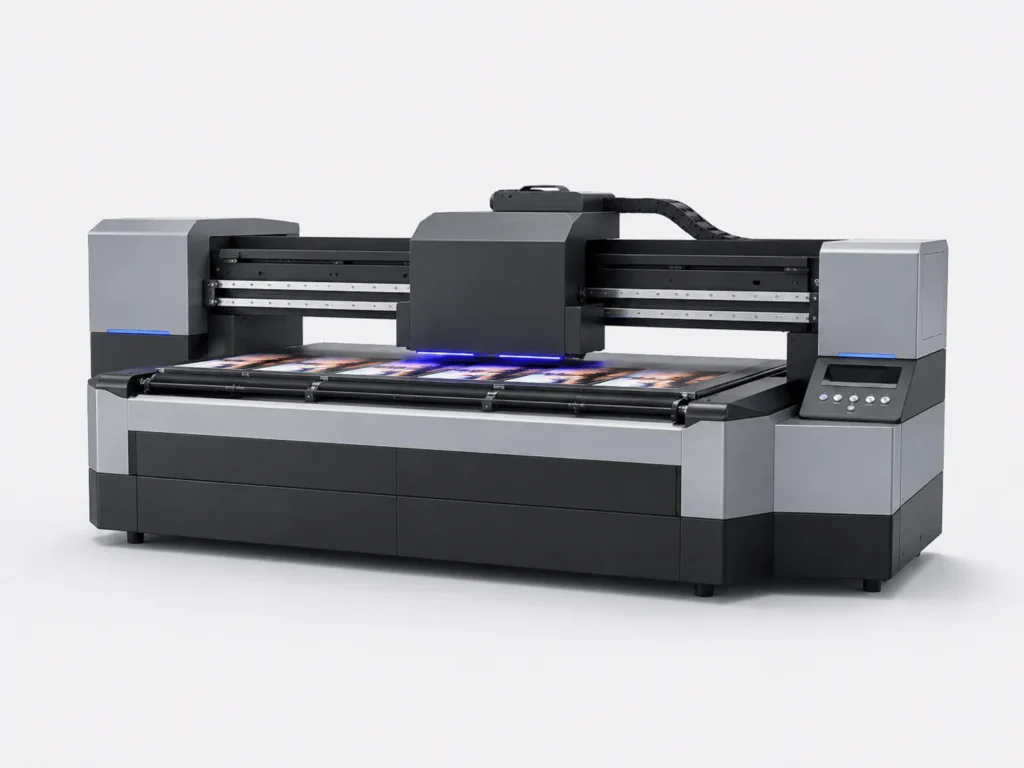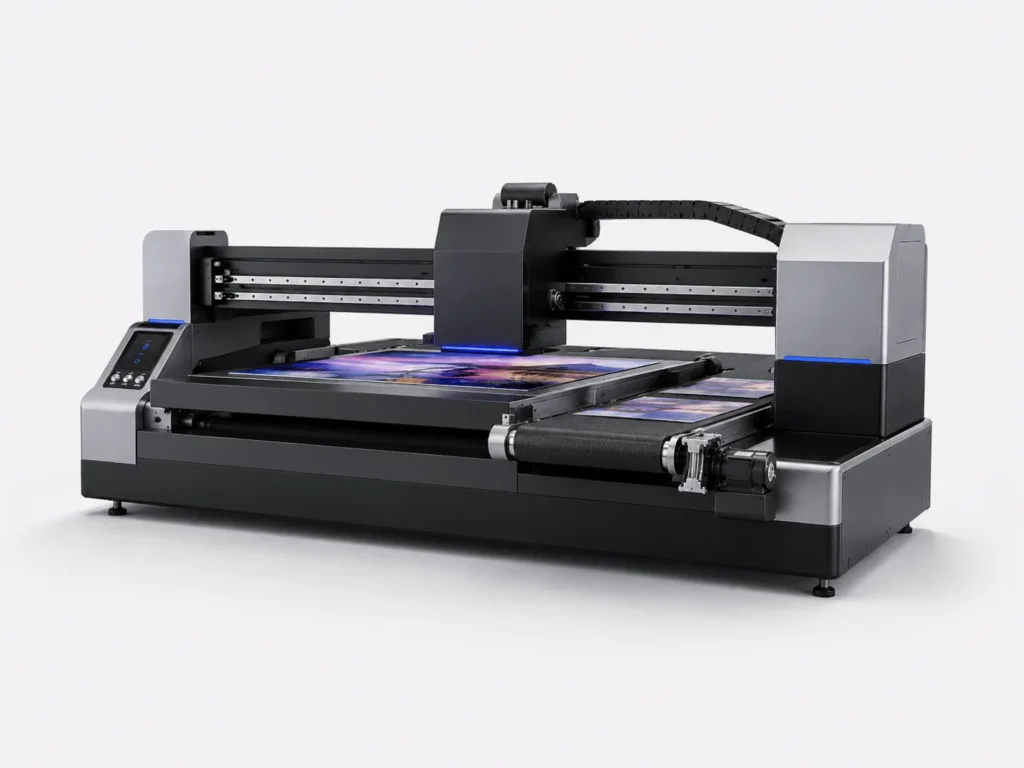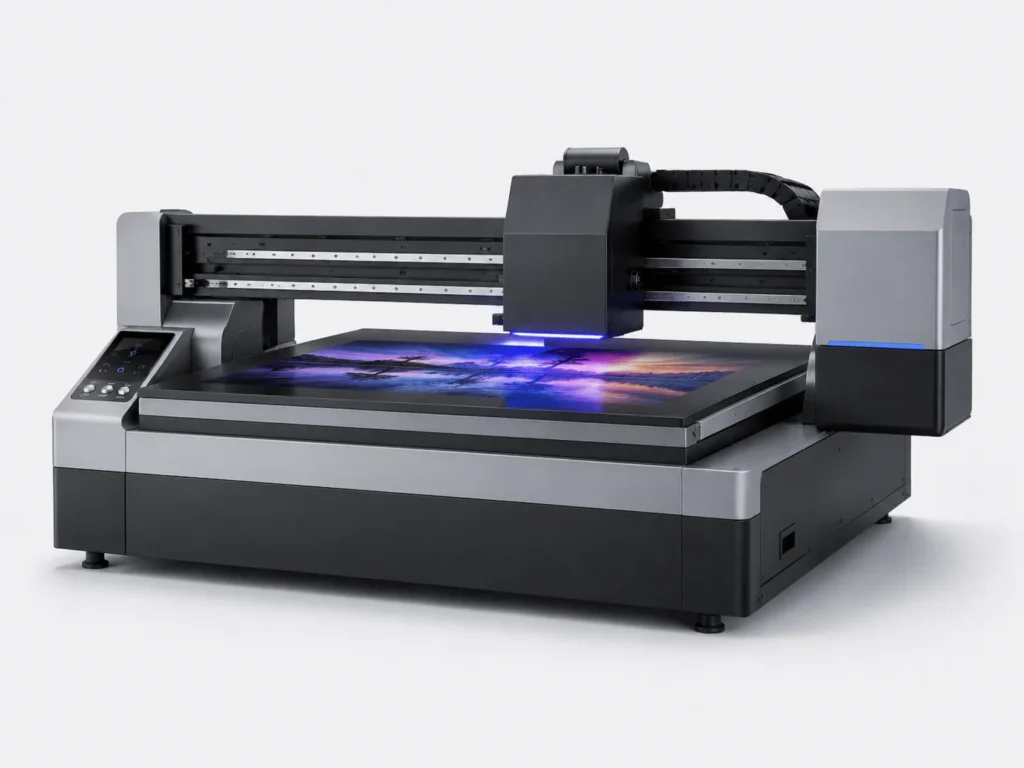
UV printing technology, with its advantages of fast curing, rich colors, and wide material compatibility, is widely used in industries such as glass, acrylic, metal, plastic, wood, and packaging materials. However, in actual production, issues such as insufficient adhesion may still occur, including ink peeling or scratching off. These problems affect appearance quality and production yield. UV printing adhesion is closely related to material surface treatment, ink performance, equipment parameters, and production environment, and targeted optimization is required to improve stability.
Material Surface Treatment Affects Adhesion Performance
The surface condition of the material is a key factor affecting adhesion. If pre-treatment is not properly done, even correct subsequent parameters will not achieve ideal results.
Inadequate Surface Cleaning of Materials
The level of cleanliness before printing directly affects the bonding ability between ink and material.
- Dust, oil, or particles on the surface can form a barrier layer and reduce adhesion.
- Release agents left during processing or handling that are not fully cleaned will affect bonding strength after curing.
- Oils or sweat left from finger contact may cause local adhesion failure.
- Impurities that are difficult to see with the naked eye may lead to local ink loss or unevenness.
- Materials stored for a long time without proper protection are prone to dust accumulation or slight oxidation.
Keeping materials clean and dry is the foundation for improving UV printing durability.
Material Surface Properties Are Not Suitable for Direct Printing
The physical properties of different materials directly affect ink adhesion.
- Highly smooth glass lacks microscopic anchoring structures and is prone to peeling.
- Low surface energy plastics are difficult to wet, making it hard for ink to spread evenly.
- Oxide layers on metal surfaces reduce bonding strength.
- Special coated materials may be incompatible with UV inks.
- Untreated raw materials usually require additional processing assistance.
Wiping, sanding, or coating treatment can significantly improve adhesion.
Ink and Curing Parameters Affect Print Quality
The compatibility between ink performance and the UV curing system is a core factor affecting adhesion.
UV Ink Performance Mismatch
Ink quality and compatibility directly determine the final result.
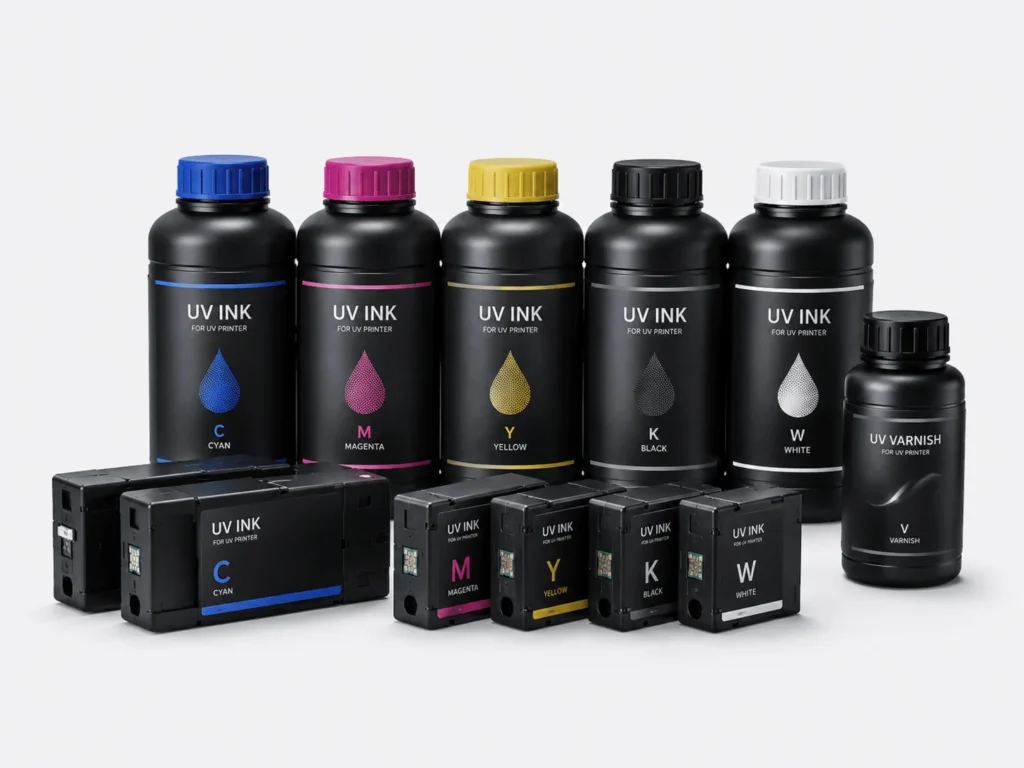
- Different materials require matching UV inks; otherwise, poor adhesion may occur.
- Ink fluidity and surface tension affect spreading uniformity.
- Chemical bonding ability determines wear and scratch resistance.
- Low-quality inks may become brittle or peel after curing.
- Improper storage can lead to performance degradation.
Selecting ink that matches both equipment and material is a prerequisite for stable production.
Improper UV Curing Settings
UV curing is a key step where ink transforms from liquid to solid. Incorrect parameters will affect adhesion. Insufficient light intensity may lead to incomplete curing, resulting in stickiness or weak bonding; too short curing time reduces hardness and wear resistance; aging UV lamps reduce energy output and stability; different thicknesses or layer counts require parameter adjustments, otherwise uneven curing may occur; temperature fluctuations can also affect ink layer structure. Proper curing settings improve wear resistance and adhesion.
Equipment Parameter Settings Affect Adhesion
The accuracy and stability of equipment parameters directly affect droplet formation quality.
Incorrect Printing Height Settings
The distance between the print head and the material affects droplet landing accuracy and adhesion performance.
- Excessive printing height causes ink droplet diffusion and reduces precision.
- Too large a distance leads to blurred edges and loss of detail.
- Unstable height results in uneven ink layers and inconsistent adhesion.
- Different materials require recalibration before printing.
Maintaining a proper and stable distance helps improve clarity and adhesion.
Mismatch Between Ink Volume and Printing Mode
Different products require different ink layer thicknesses and coverage effects, so parameters must be adjusted accordingly.
- Insufficient ink volume leads to incomplete coverage or weak adhesion.
- Excessive ink volume creates overly thick layers that affect curing.
- Multi-layer printing requires proper control of curing time for each layer; otherwise, delamination may occur.
- White and color ink stacking requires precise control to ensure stable adhesion.
- Special effect printing requires testing to determine optimal parameters.
Optimizing parameter settings improves adhesion while maintaining print quality.
Production Environment and Maintenance Affect Stability
Environmental conditions and equipment maintenance levels affect long-term production stability.
Large Fluctuations in Temperature and Humidity
UV printing has certain environmental requirements. Excessive fluctuations can affect overall stability. High humidity may affect ink condition and curing efficiency; large temperature changes can alter ink fluidity and affect jetting stability; excessive dust in the air may contaminate material surfaces or print heads, reducing adhesion quality; unstable environments can cause significant quality variations in mass production. Maintaining consistent environmental conditions is especially important in continuous production. Good environmental control helps improve consistency and stability of batch products.
Inadequate Equipment Maintenance
If equipment lacks maintenance during long-term operation, print quality will be affected.
- Nozzle clogging leads to uneven ink output and poor adhesion.
- Air bubbles or blockages in the ink path affect ink supply stability.
- Aging UV lamps reduce curing performance.
- Unclean platforms affect positioning accuracy.
- Regular maintenance reduces production abnormalities.
Establishing a maintenance system helps maintain stable production.
In actual production, whether the printed pattern is durable often depends on factors such as pre-treatment details, ink compatibility, curing control accuracy, and equipment stability. By optimizing process steps and maintaining proper equipment operation, wear resistance and adhesion performance of finished products can be significantly improved. Springyprinter focuses on the R&D of industrial digital printing equipment, providing stable and efficient UV digital printing solutions for enterprises.