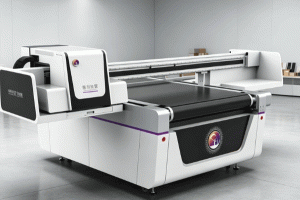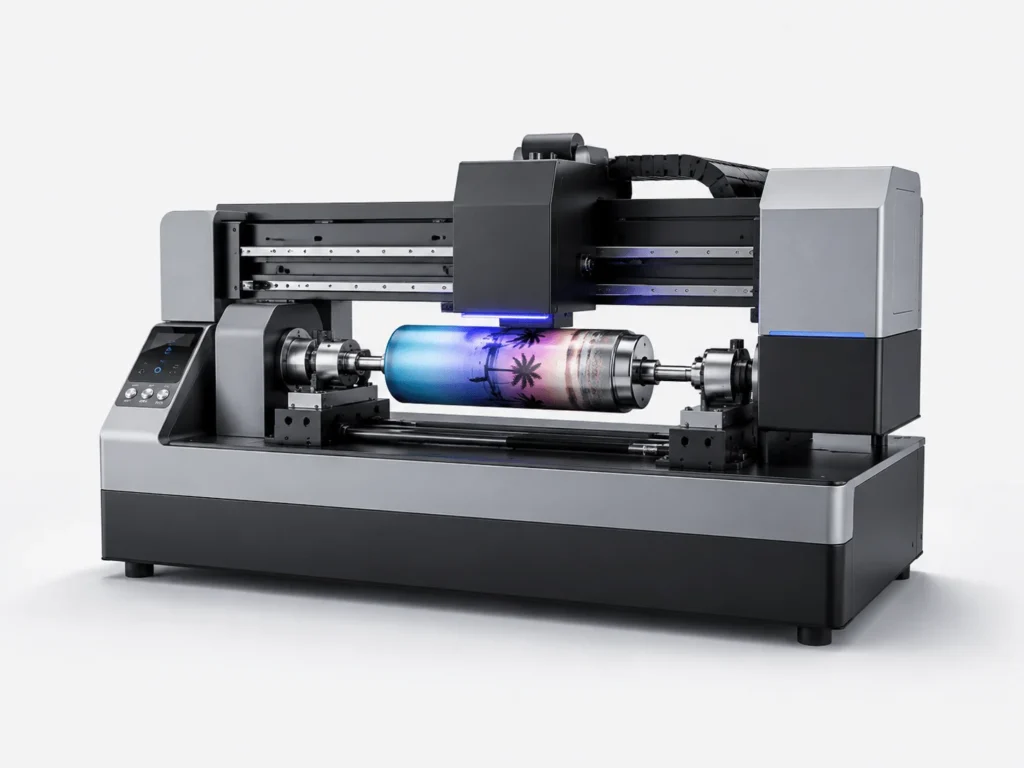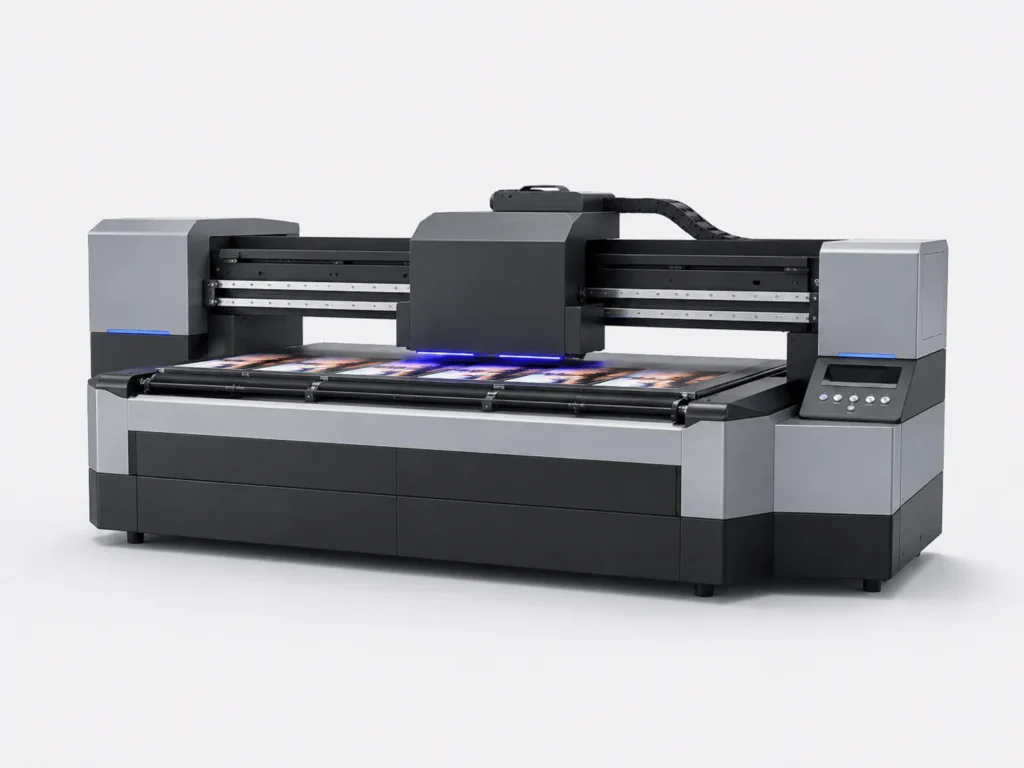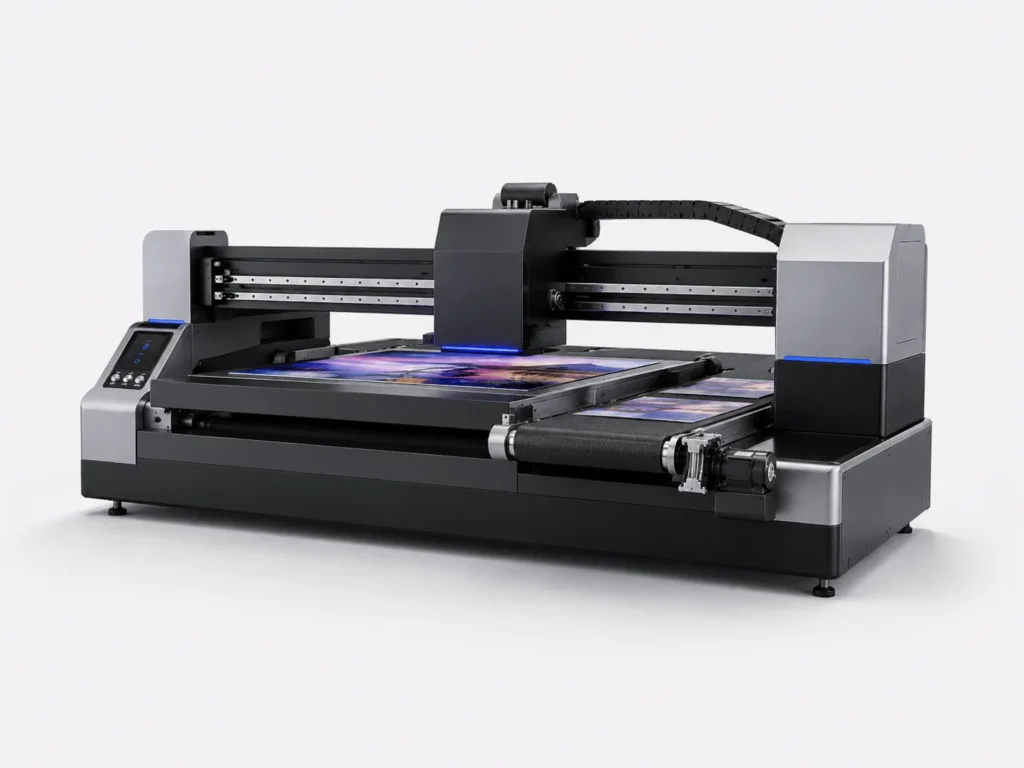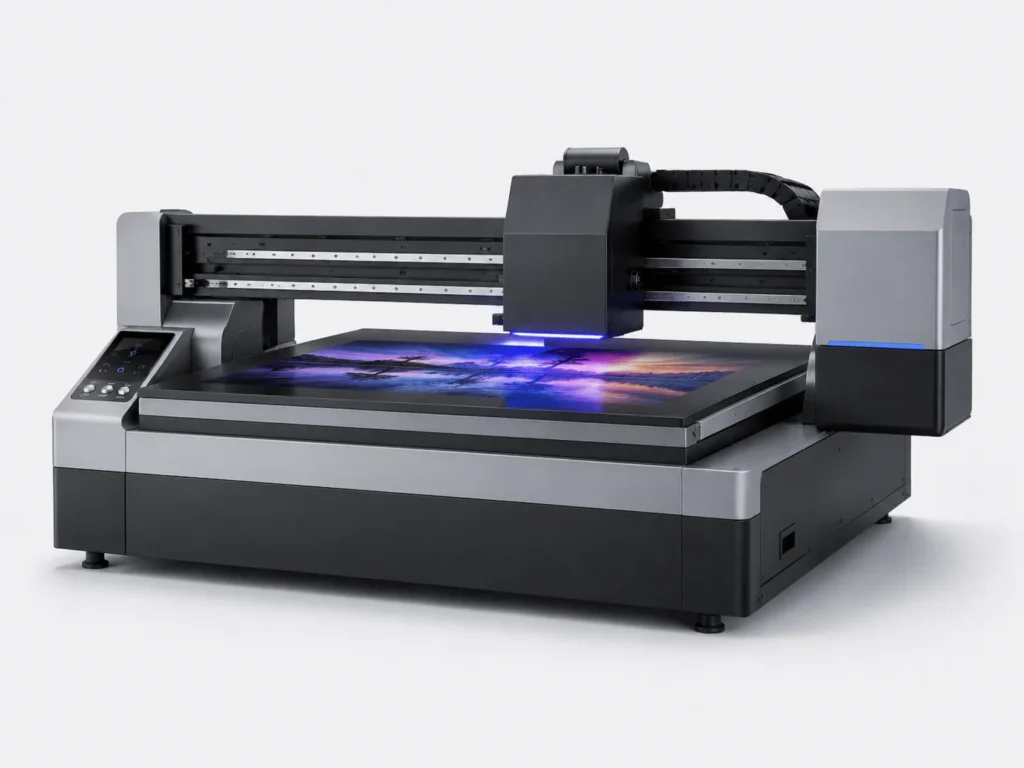
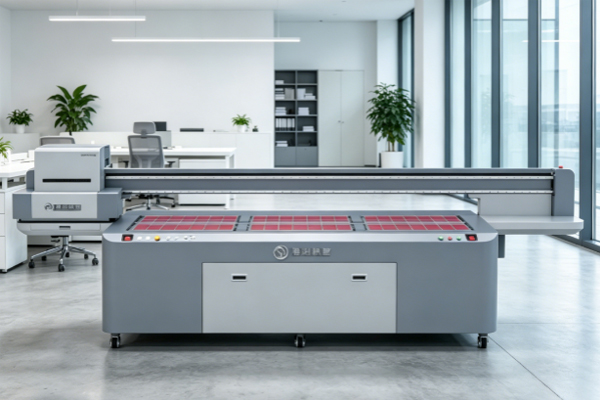
With the continuous growth of furniture manufacturing, interior decoration, commercial displays, and customized home furnishing industries, digital printing technology for wood surfaces has gained increasing attention. Traditional wood decoration methods usually rely on processes such as laminating, coating, and engraving to create patterns, while UV Single Pass printers can directly print high-resolution graphics onto wood surfaces, enabling fast customization and large-scale production. Wood materials have unique characteristics such as natural grain, different absorption rates, and various surface treatments, which create higher requirements for printing equipment, ink selection, and processing procedures. To achieve stable and high-quality printing results, manufacturers need to pay attention to material preparation, printer settings, ink curing, and surface protection processes to fully utilize the advantages of UV Single Pass printing technology.
Surface Preparation of Wood Boards Affects UV Single Pass Printing Quality
As a natural or composite material, wood has different levels of density, flatness, absorption, and surface coating conditions, all of which directly influence ink adhesion and image quality. If the surface is not properly prepared before printing, problems such as uneven ink absorption, faded colors, and blurred image edges may occur. Before printing, wood boards should be carefully inspected to ensure the surface is clean, smooth, and free from dust, oil stains, rough particles, and other contaminants.
For wood boards with rough surfaces, sanding can be performed to improve smoothness and create better printing conditions. Some processed boards may contain protective coatings or paint layers, and compatibility between the coating and UV ink should be confirmed before production. Proper surface preparation improves ink adhesion, enhances image clarity, and increases the durability of printed wood products.
Proper Printing Parameter Settings Improve Wood Printing Quality
When printing wood boards with UV Single Pass printers, equipment parameters need to be adjusted according to the characteristics of the material. Important settings include printing speed, ink volume, resolution, and curing intensity. The natural texture and color of wood can influence the final visual appearance, and improper parameter settings may reduce color accuracy or image detail.
During production, the printing mode should be selected according to wood thickness, surface condition, and design complexity. High-resolution graphics, brand logos, and detailed textures usually require higher precision settings, while large background patterns can be produced with faster modes to improve manufacturing efficiency.
The UV curing system also requires proper adjustment. Insufficient curing intensity may reduce ink stability, while excessive curing may affect surface gloss and appearance. By balancing ink output, printing speed, and curing performance, manufacturers can achieve more consistent and attractive wood printing results.
Selecting Suitable UV Ink Ensures Decorative Quality of Wood Products
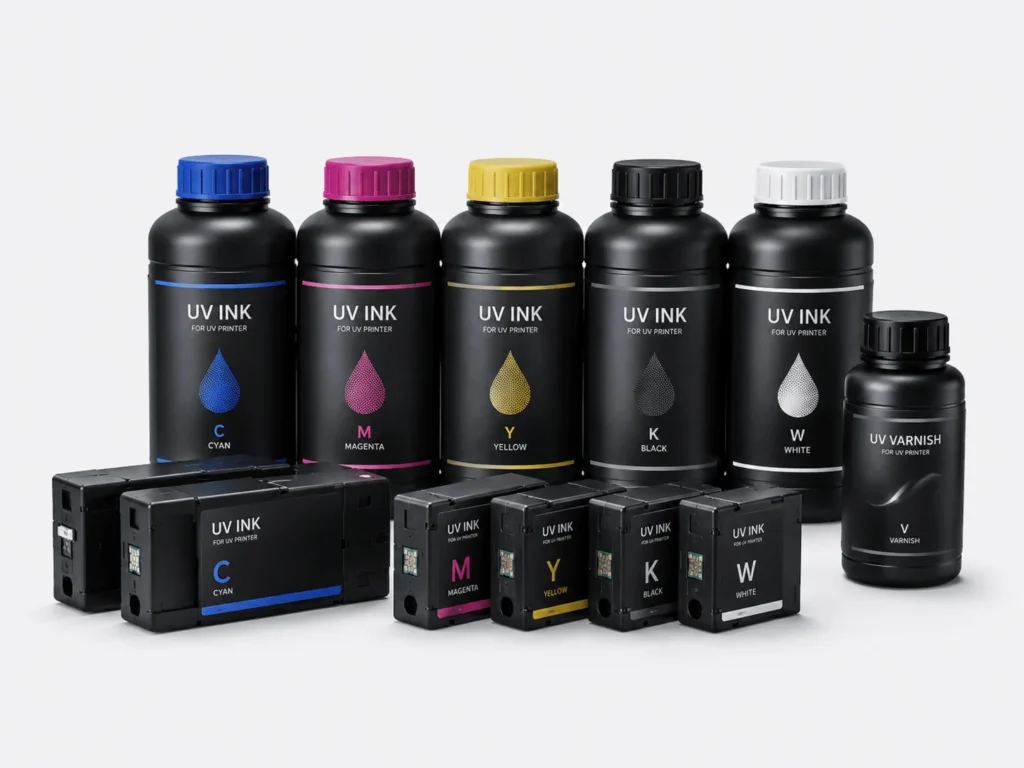
UV ink plays an important role in determining the final appearance and durability of printed wood products. Different wood materials require suitable ink formulations to achieve strong adhesion, excellent color performance, and long-lasting results.
Because wood surfaces may absorb ink differently, unsuitable ink flow characteristics or curing performance can cause color spreading or uneven surface effects. When selecting UV ink, manufacturers should consider the intended application of the wood product. Furniture panels usually require strong wear resistance and environmentally friendly characteristics, decorative wall panels focus more on visual effects and design quality, while outdoor applications require stronger weather resistance.
During printing, the ink delivery system should remain stable to prevent production issues caused by ink sedimentation or inconsistent supply. Regularly checking ink conditions helps maintain color accuracy, improve product consistency, and reduce printing defects.
Common Applications of UV Single Pass Printing on Wood Boards
Wood digital printing technology has been widely applied in furniture production, interior decoration, commercial spaces, and customized products. With high-speed production capability and flexible design options, UV Single Pass printers provide manufacturers with greater possibilities for wood surface decoration.
Common applications include:
- Furniture Panel Decoration:Cabinet doors, tabletops, furniture side panels, and customized home products can be enhanced with wood grain, stone textures, artistic patterns, and personalized designs through UV printing, improving product appearance and market appeal.
- Interior Wall Decoration:Wooden feature walls, decorative panels, and space partitions can be printed with various designs, creating unique interior environments and meeting personalized decoration requirements.
- Commercial Display Products:Retail display cabinets, brand exhibition stands, and store decoration panels can be printed with company logos, promotional graphics, and customized designs to enhance the overall appearance of commercial spaces.
- Artistic Customized Products:Wooden artwork, creative decorative panels, and cultural display products can be quickly customized through digital printing technology, reducing limitations compared with traditional manufacturing methods.
- Architectural Decorative Materials:Wooden decorative materials used in hotels, offices, and public buildings can achieve various texture effects through UV printing, increasing the added value of architectural products.
As demand for personalized decoration continues to increase, UV Single Pass printers help businesses develop more innovative wood products while improving design flexibility and production efficiency.
Protection and Maintenance Methods After UV Printing on Wood
Printed wood products require proper protection after production to maintain long-term performance. Although UV ink forms a cured surface layer after printing, different applications still require suitable protection measures. Furniture products need strong wear resistance, decorative wall panels require long-lasting visual quality, and outdoor products require additional protection against environmental exposure.
After printing, freshly processed wood boards should avoid strong friction or contamination until the ink layer becomes fully stable. For products requiring extended service life, additional protective coatings can be applied to improve scratch resistance and simplify cleaning.
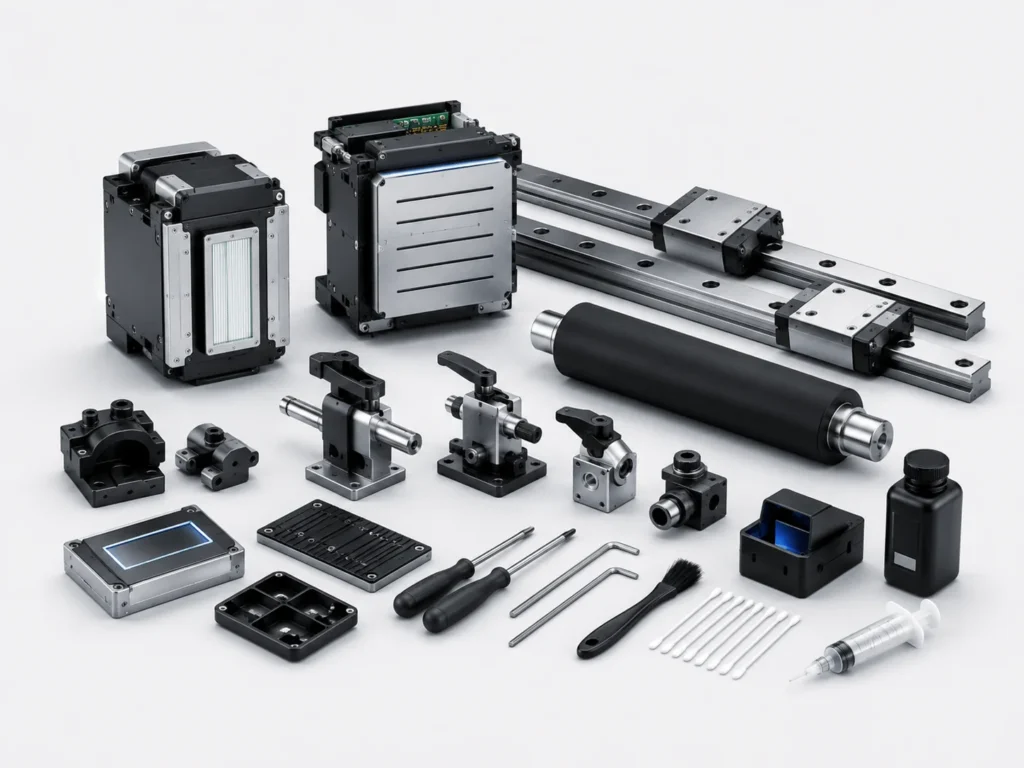
At the same time, UV Single Pass printers require regular maintenance to maintain stable performance. Cleaning printheads, inspecting the ink delivery system, maintaining conveyor platforms, and checking curing lamp performance can reduce equipment failures and improve printing reliability. Combining proper equipment maintenance with standardized production procedures allows UV Single Pass printers to achieve higher efficiency in wood printing applications, providing reliable production support for furniture manufacturing, decorative processing, and customized product industries.