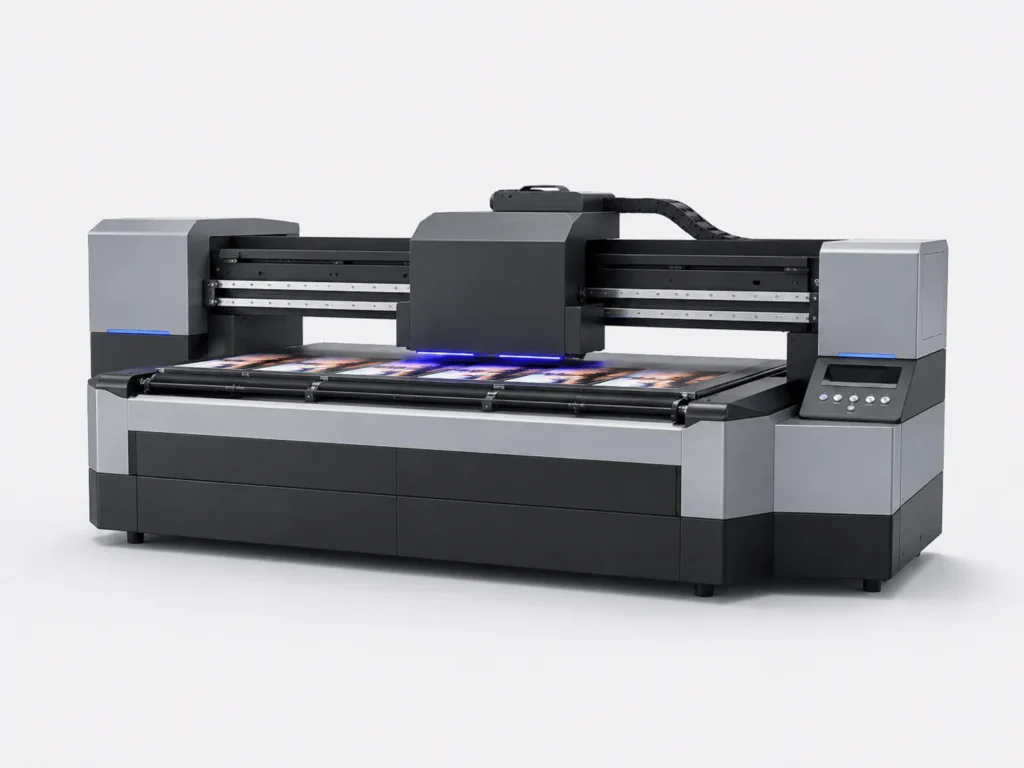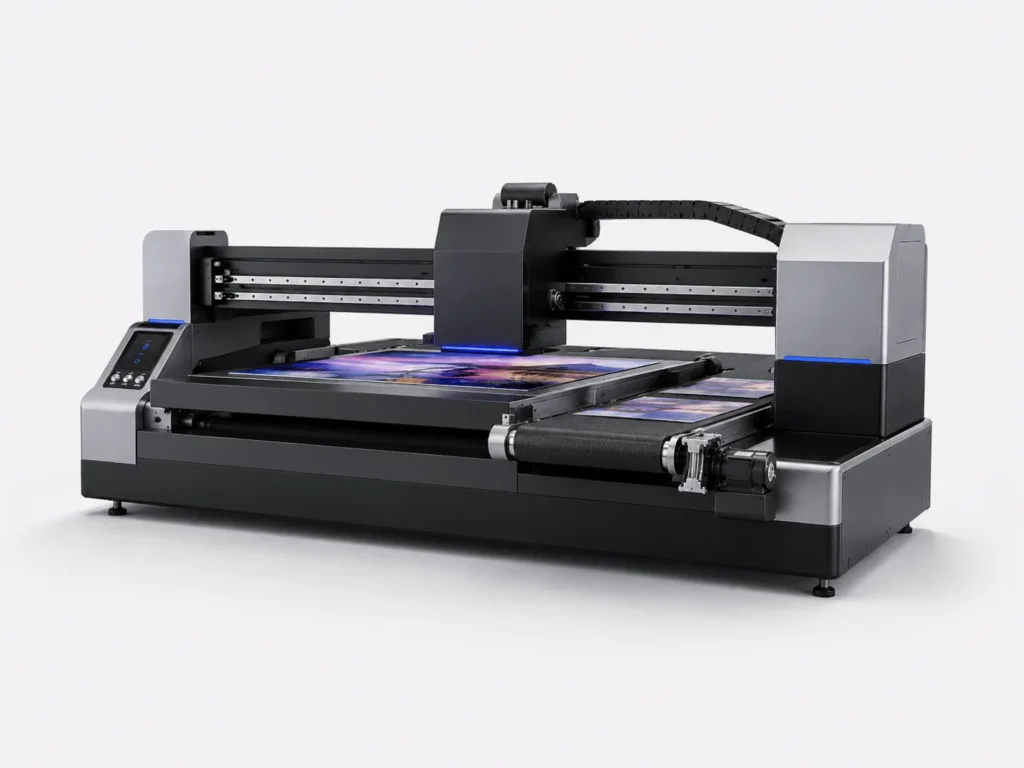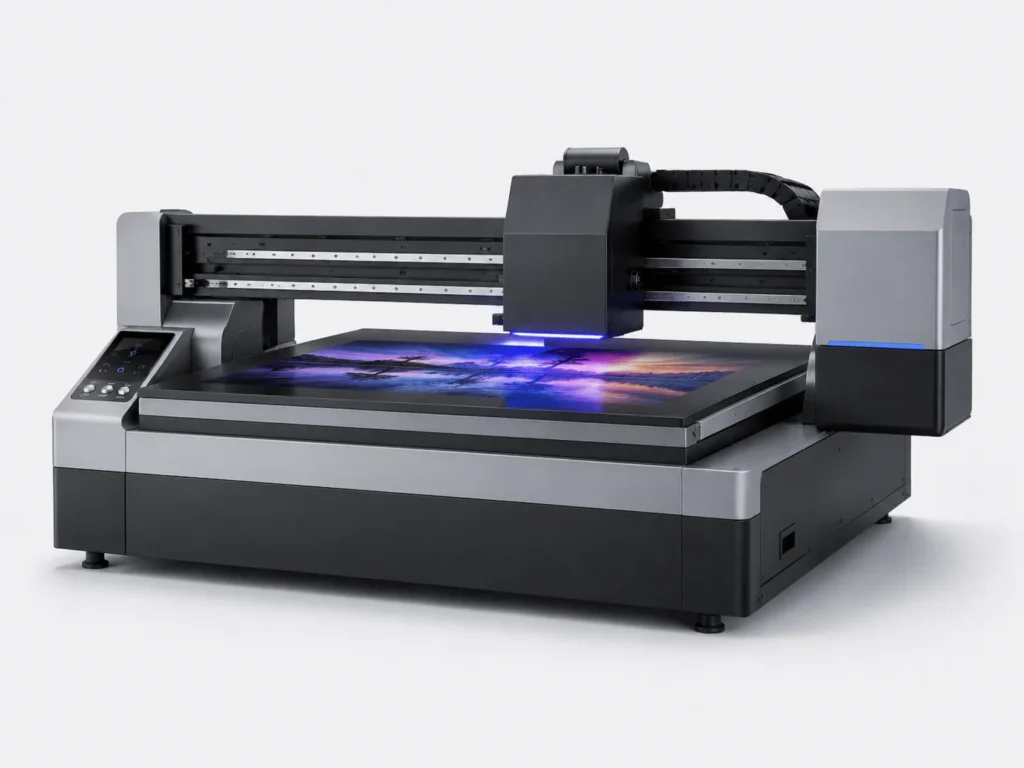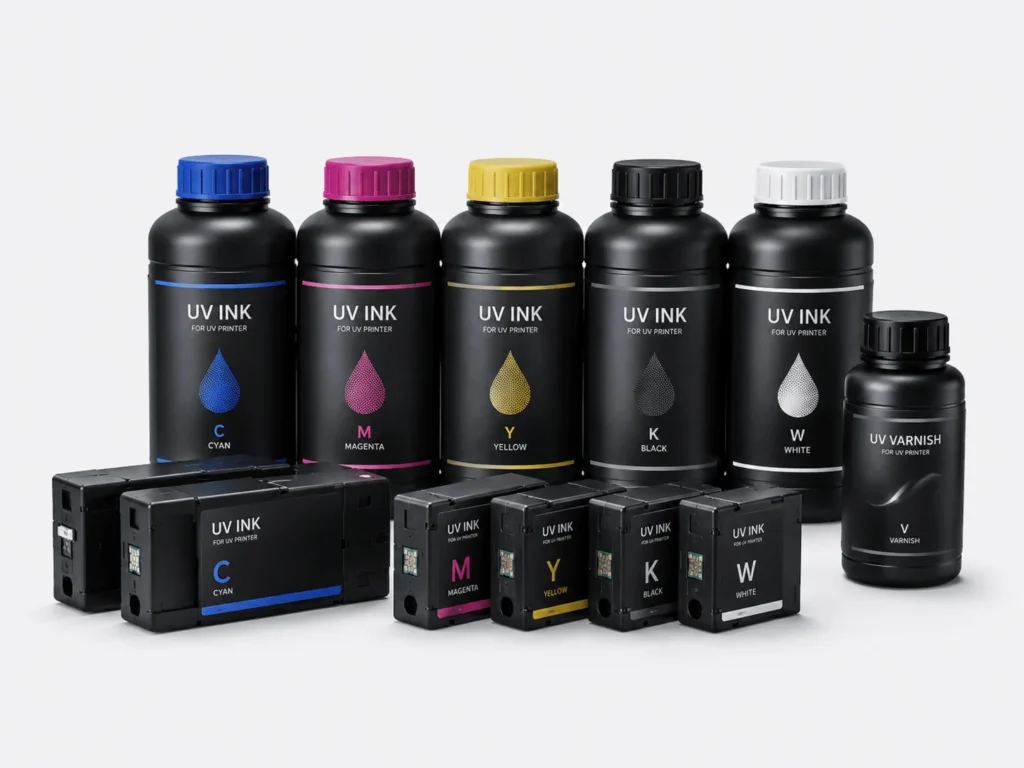
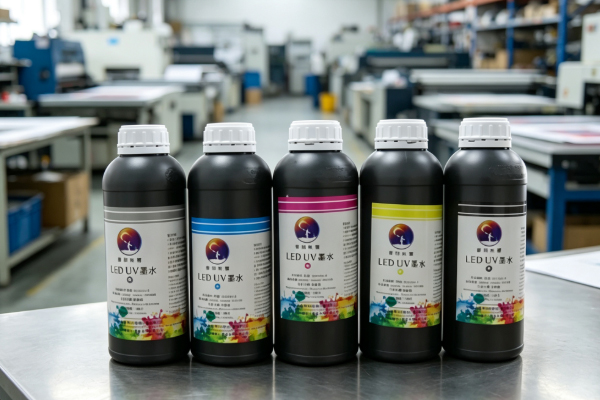
UV LED ink is a special type of ink that uses ultraviolet LED light sources for rapid curing. It is widely used in UV printing, label printing, packaging printing, and surface decoration of industrial products. Since this type of ink has photosensitive characteristics, the storage method after opening directly affects its performance. If stored under suitable conditions, UV LED ink can usually be kept for several months after opening. However, the exact storage time is affected by factors such as ink type, packaging sealing condition, storage temperature, exposure to ultraviolet light, and contamination during use. Proper storage can extend the service life of the ink, reduce problems such as deterioration, clumping, and sedimentation, and improve printing stability during subsequent use.
How Long Can UV LED Ink Usually Be Stored After Opening?
It Can Usually Be Used for About 3 to 6 Months Under Normal Storage Conditions
The storage time of UV LED ink after opening is not a fixed value. Under normal conditions, if the ink is stored in a cool, dark, and well-sealed environment, the opened ink can usually maintain its performance for around 3 to 6 months. After the ink container is opened, air enters the package. Although UV LED ink does not evaporate as quickly as ordinary water-based ink, long-term exposure to air may still cause changes in ink performance. For example, some components in the ink may undergo slight reactions, and the viscosity may gradually change, affecting printing smoothness. Therefore, exposure time should be minimized after opening. For companies with frequent ink usage, if the ink is circulated and used every day, the remaining ink can usually maintain a relatively good condition. However, if the ink is left unused for a long period, even if there are no obvious signs of deterioration, it is recommended to fully stir and test the ink before reuse.
Improper Storage May Cause Problems Within Several Weeks
If UV LED ink remains exposed to air for a long time after opening, or is stored in a high-temperature or strong-light environment, its storage time may be significantly reduced. For example, if ink is placed next to a printing machine and exposed to continuous lighting, or stored in a workshop with high temperatures, it may develop increased viscosity, surface skin formation, and other issues earlier than expected. Therefore, the storage performance of opened UV LED ink is directly related to the storage environment. It cannot be judged simply based on the opening date.
Factors Affecting the Storage Time of UV LED Ink
Storage Temperature Affects Ink Stability
UV LED ink is relatively sensitive to temperature. The suitable storage environment is usually a cool area with a temperature of around 15℃ to 25℃. Excessively high temperatures can accelerate changes in the ink components, increase ink viscosity, and affect flow performance. If the workshop temperature remains above 30℃ for a long period during summer, the ink may experience problems such as color changes, increased sedimentation, or reduced printing quality. On the other hand, when the temperature is too low, the ink may also become less fluid and should be returned to a suitable temperature before use. Therefore, opened UV LED ink should preferably be stored in an environment with stable temperature to avoid frequent temperature fluctuations.
Light Exposure Can Cause Premature Ink Curing
The biggest characteristic of UV LED ink is that it cures quickly when exposed to ultraviolet light. Therefore, during storage, it must be protected from direct sunlight and UV lamp exposure. If leftover ink is simply placed near the printing machine, ordinary indoor lighting may have little effect. However, long-term exposure to UV lamps from equipment or natural sunlight may gradually form a cured layer on the ink surface. When storing UV LED ink, the bottle cap or container lid should be tightly closed immediately after use. It is recommended to use opaque containers for storage to reduce light entering the package and maintain ink stability.
How to Properly Store UV LED Ink After Opening?
Seal the Packaging Immediately After Use
The most important storage step after opening UV LED ink is timely sealing. Each time ink is taken out, the container should be closed as soon as possible to prevent prolonged air exposure. If the ink container is not completely sealed, dust, moisture, and other impurities in the air may enter the ink and cause contamination. During use, it is recommended to take out only the required amount of ink according to actual production needs and avoid frequently opening the entire container to reduce contact between the ink and the external environment.
Check the Ink Condition Before Reusing After Long-Term Storage
If UV LED ink has been stored for a long time, its condition should be checked before reuse. Under normal circumstances, slight sedimentation may occur after the ink has been standing for a period of time. This is usually caused by the natural settling of some pigment components and can be restored through thorough stirring.
However, if the ink shows obvious clumps, unusual odors, abnormal colors, or cannot be mixed evenly, it is not recommended to continue using it. Before putting the ink back into production, a small-area test print can be performed first to confirm that the color, adhesion, and curing performance are normal before official production.
Common Questions About UV LED Ink Storage After Opening
Q: Can UV LED Ink Still Be Used After Being Opened for One Year?
Whether UV LED ink can still be used after being opened for one year depends on the storage conditions. If the ink has always been properly sealed and stored in a suitable environment, some products may still be usable. However, after exceeding the manufacturer’s recommended storage period, ink performance may no longer be fully guaranteed. Even if the appearance looks normal, problems such as slower curing speed, color deviation, and reduced printing stability may occur. Therefore, for UV LED ink stored for an extended period, it is recommended to fully stir and test it first. It is not advisable to directly use it for important product production.
Q: What Should Be Done If UV LED Ink Develops Sedimentation After Long Storage?
Slight sedimentation in UV LED ink is a relatively common situation, especially for colored inks containing a large amount of pigment components. In this case, the ink can be thoroughly stirred according to the manufacturer’s requirements to evenly redistribute the pigments. However, excessive bubbles should be avoided during stirring, as they may affect printing performance. If sedimentation has formed into hard blocks, or the ink has obvious separation that cannot be restored, it indicates that the ink may have changed and is not recommended for further use.
UV LED Ink Storage Case
Method Used by Printing Companies to Store Remaining Ink for Long Periods
A label printing company often encountered inconsistent usage amounts among different ink colors during production. Some colors were used less frequently, leaving half a bucket or more after opening. To reduce waste, the company adjusted its ink management method. After each production process, the remaining ink was filtered, resealed, and stored in a light-protected area, while the opening date was recorded. Through this management method, some UV LED inks could be stored for several months while maintaining normal printing performance. When reused, the ink only needed to be stirred and tested in advance before being returned to production.
Ink Storage Methods for Small-Batch Printing Users
For advertising production companies, small processing businesses, or individual printing users, UV LED ink is consumed more slowly, making storage management especially important. These users can purchase ink in suitable package sizes according to production needs to avoid long-term storage of large-volume products. After opening, they should reduce frequent exposure of the ink and regularly check its condition. Through proper storage methods, even with long intervals between printing tasks, ink waste can be reduced and usage efficiency can be improved.
UV LED ink can usually be stored for about 3 to 6 months after opening, but the actual usable period depends on storage methods, environmental temperature, light exposure conditions, and sealing performance. Opening the ink container does not mean the ink immediately becomes unusable. With proper management, it can still maintain good printing performance. During daily use, attention should be paid to several key storage requirements for UV LED ink: seal the container promptly after use, avoid sunlight and ultraviolet light exposure, maintain a suitable temperature, and prevent dust and impurities from entering the ink. For ink that has been stored for a long time, the color, viscosity, and flow condition should be checked before reuse, and test printing should be carried out when necessary. Proper UV LED ink management can not only reduce material waste but also prevent production efficiency from being affected by changes in ink condition.