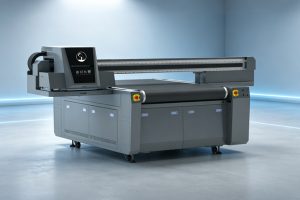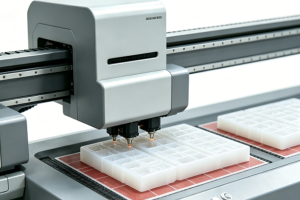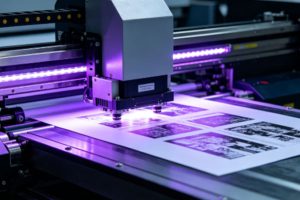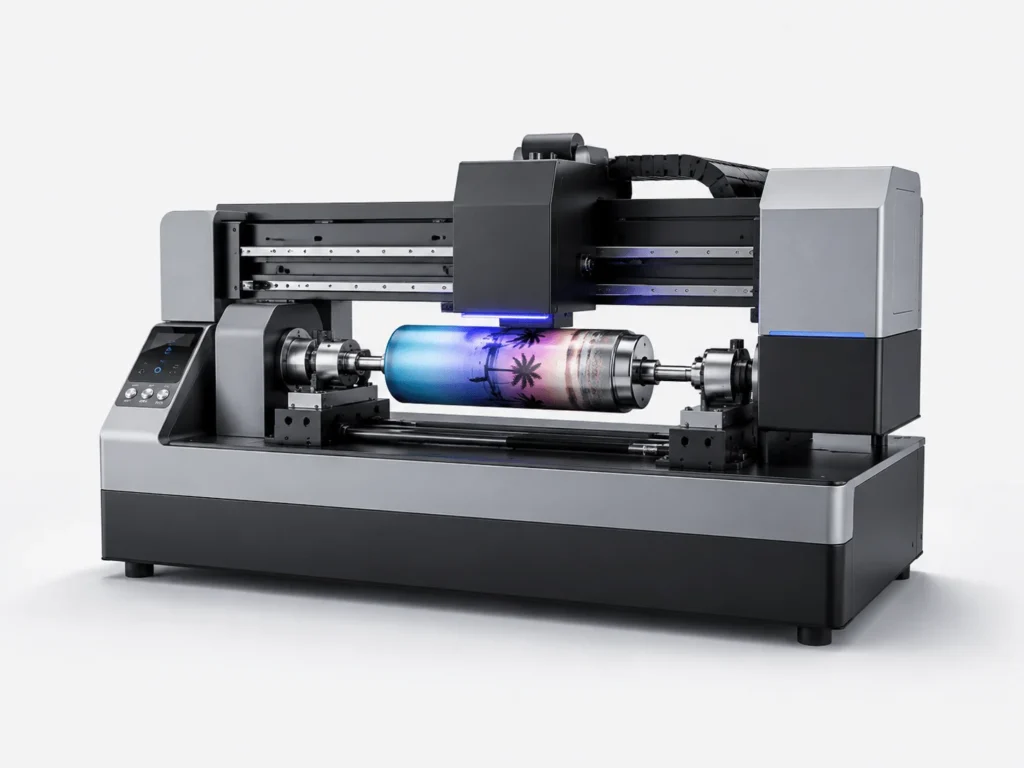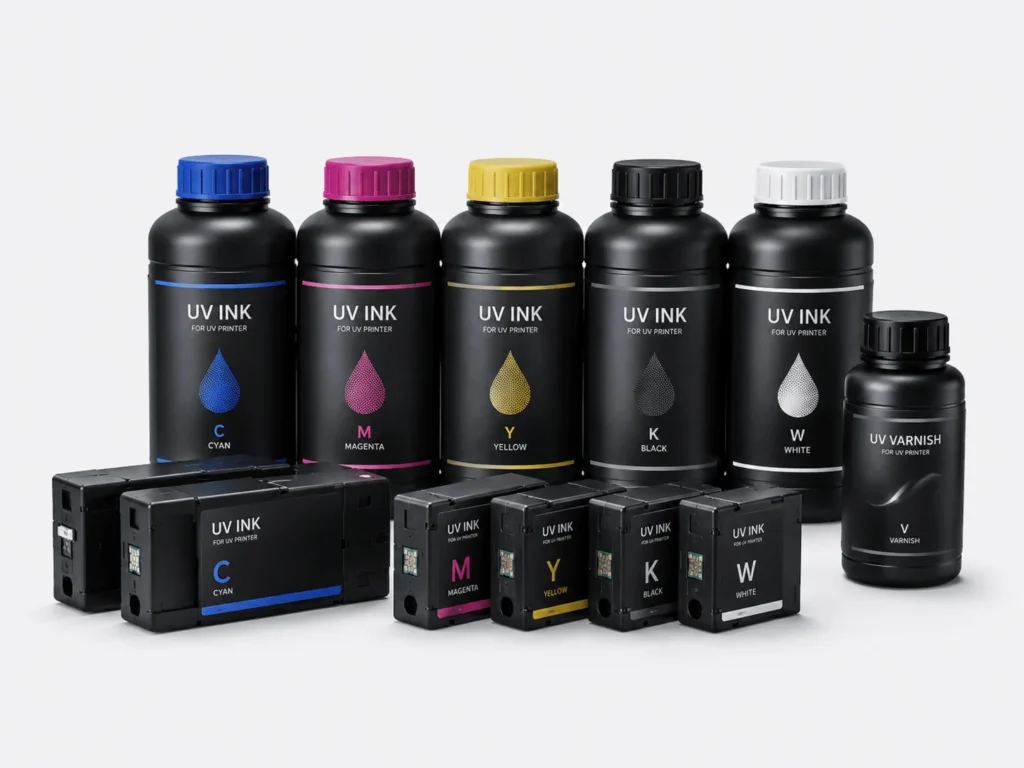
With the development of UV digital printing technology, UV LED ink has become one of the most commonly used consumables in advertising printing, packaging printing, industrial inkjet printing, decorative building materials, and personalized customization industries. When selecting UV flatbed printers, UV roll-to-roll printers, or industrial inkjet equipment, many companies will encounter the concept of UV LED ink. Compared with traditional solvent-based inks and conventional UV inks, UV LED ink features fast curing speed, excellent environmental performance, strong adhesion, and outstanding color reproduction. As a result, it is widely used for printing on plastics, glass, metal, wood, acrylic, ceramics, and many other materials.For many people who are new to the digital printing industry, UV LED ink may appear to be just another type of ordinary ink. However, its formulation, curing mechanism, and application methods are significantly different. Understanding the working principles and characteristics of UV LED ink not only helps in selecting the right printing equipment but also enables businesses to improve production efficiency and print quality.
Basic Concepts of UV LED Ink
What Is UV LED Ink?
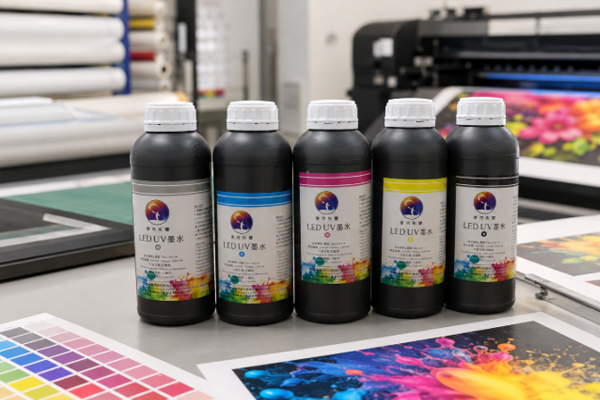
UV LED ink is a special type of ink that cures rapidly when exposed to LED ultraviolet light. The ink contains photoinitiators, resins, pigments, and functional additives. When LED UV light shines on the ink surface, the photoinitiators trigger a chemical reaction, causing the liquid ink to transform into a solid ink layer within a very short period of time, thereby completing the printing process.Unlike traditional heat-drying inks, UV LED ink does not require extended drying or solvent evaporation. This allows for instant curing after printing, significantly improving production efficiency.
Composition of UV LED Ink
UV LED ink is not made from a single material but consists of multiple components.
● Resin: Determines the ink’s adhesion and hardness.
● Pigment: Determines color performance and image quality.
● Photoinitiator: Absorbs LED UV light and initiates the curing reaction.
● Additives: Improve leveling, abrasion resistance, and flexibility.
These materials are scientifically formulated to meet the requirements of different printing materials and industries.
Differences Between UV LED Ink and Conventional Ink
Conventional inks mainly dry through solvent evaporation, whereas UV LED ink cures through a photochemical reaction. This difference enables UV LED ink to achieve faster production speeds and better environmental performance.In addition, the cured ink layer is more durable and less prone to fading, peeling, or scratching.
The Curing Principle of UV LED Ink
LED UV Light Exposure Process
After the printer ejects the ink, the LED lamp system inside the equipment simultaneously emits ultraviolet light at a specific wavelength. Once the ink absorbs the UV energy, the photoinitiators become activated and begin generating free-radical reactions.
The entire process is extremely fast and is usually completed within a few seconds. This instant-curing method prevents image spreading and color bleeding.
Photochemical Curing Reaction
The curing process of UV LED ink is based on photopolymerization. Under UV light exposure, resin molecules rapidly crosslink and form a strong polymer structure.As the degree of crosslinking increases, the liquid ink gradually transforms into a solid and durable ink layer. Once cured, the printed image adheres firmly to the substrate surface.
Characteristics After Curing
The cured ink layer offers excellent mechanical properties. It is resistant to abrasion and scratches while also providing protection against moisture, alcohol, and certain chemicals.For products intended for long-term use, these characteristics can significantly extend the lifespan of printed graphics.
Advantages of UV LED Ink
Excellent Environmental Performance
Today, many companies place increasing importance on environmentally friendly manufacturing. During the curing process, UV LED ink produces very low levels of volatile organic compounds (VOCs), helping reduce air pollution.At the same time, LED light sources consume less energy, which helps lower production costs.For factories operating continuously over long periods, these advantages are particularly significant.
High Production Efficiency
Traditional inks require drying time, while UV LED ink cures instantly.
After printing, products can immediately proceed to the next production stage, such as cutting, packaging, laminating, or shipping, greatly reducing waiting time.For businesses handling large order volumes, this can significantly improve equipment utilization rates.
Superior Color Performance
UV LED ink offers high color saturation.Printed graphics appear vibrant and vivid, with clear image layers and smooth gradient transitions. Whether used for advertising graphics or premium packaging products, UV LED ink delivers excellent visual results.
Frequently Asked Questions About UV LED Ink
Does UV LED Ink Have an Odor?
Compared with traditional solvent-based inks, UV LED ink produces much less odor.Although a slight smell may still be present during printing, the overall working environment is more comfortable and contributes to better air quality within the production facility.
What Materials Can UV LED Ink Print On?
UV LED ink has a very broad range of applications.Common materials include acrylic, glass, metal, PVC, wood, leather, ceramics, mobile phone cases, and various industrial products.Some special materials can also achieve excellent adhesion after appropriate coating or surface treatment.
Does UV LED Ink Peel Easily?
Under normal conditions, UV LED ink does not peel easily.As long as the printer settings are properly configured and the substrate surface is adequately prepared, the cured ink can develop strong adhesion and meet daily usage requirements.
UV LED Ink Application Cases
Applications in the Advertising Signage Industry
The advertising industry is one of the major application fields for UV LED ink.For example, shopping mall signage, lightbox graphics, exhibition backdrops, and wayfinding systems often require high-resolution color printing.UV LED ink can print directly onto acrylic sheets, PVC boards, and metal surfaces, offering high production efficiency and excellent image clarity.
Applications in the Packaging Printing Industry
Many premium packaging products now utilize UV LED printing technology.Examples include cosmetic packaging boxes, gift packaging, consumer electronics packaging, and alcoholic beverage packaging, all of which require attractive graphics and special visual effects.UV LED ink enables high-quality color printing while enhancing product value and appearance.
Applications in Industrial Manufacturing
Industrial inkjet printing demands high durability.Products such as electronic panels, appliance housings, automotive components, and industrial nameplates often need to maintain graphic integrity for extended periods.After curing, UV LED ink forms a durable ink layer capable of meeting the demanding requirements of industrial environments.
The Importance of UV LED Ink
Driving the Upgrade of Digital Printing
As digital printing equipment becomes increasingly widespread, UV LED ink has become an essential component of modern inkjet printing technology.It not only improves printing efficiency but also makes direct printing on a wider variety of materials possible.Many products that previously required screen printing and multiple processing steps can now be completed in a single operation using UV printing equipment, greatly shortening production cycles.
Meeting the Needs of Multiple Industries
From advertising production to industrial manufacturing, from packaging printing to personalized customization, UV LED ink covers most application scenarios in the modern inkjet printing industry.Businesses can choose different ink formulations according to product requirements to achieve ideal printing results and product quality.Its compatibility with a wide range of materials further enhances its value and popularity in the marketplace.
UV LED ink is an advanced printing ink that utilizes LED ultraviolet light for rapid curing. Its key advantages include fast curing speed, environmental friendliness, vibrant color reproduction, and strong adhesion.Through the chemical reaction between photoinitiators and UV light, the ink quickly forms a durable ink layer capable of delivering high-quality printing results.Whether in the advertising industry, packaging sector, or industrial manufacturing field, UV LED ink plays an important role in improving efficiency, enhancing print quality, and expanding the possibilities of modern digital printing applications.