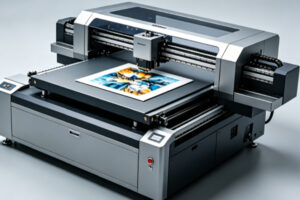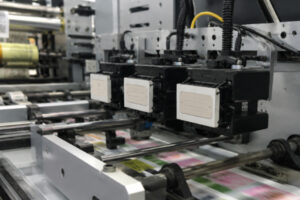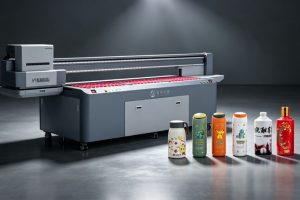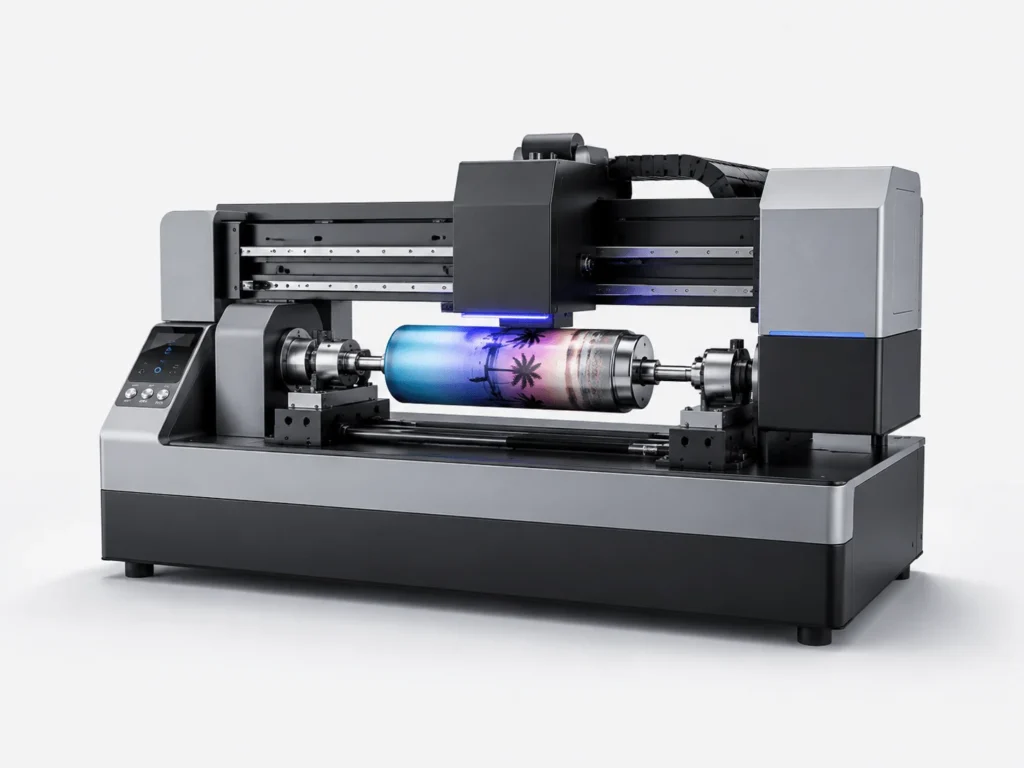
With the growing demand for personalized product customization, more businesses are focusing on processing methods for cylindrical products. In industries such as water bottles, wine bottles, cosmetic packaging, gifts, and industrial components, achieving high-quality designs on curved surfaces has become an important requirement. Currently, two commonly used technologies are cylindrical printers and laser engraving machines. Although both can be used for cylindrical product processing, they differ significantly in working principles, printing effects, applicable materials, and application scenarios. Understanding the characteristics of these two machines can help businesses choose a more suitable processing solution based on their actual production needs.
Cylindrical Printers and Laser Engraving Machines Work Differently
Although both cylindrical printers and laser engraving machines can process cylindrical products, they use completely different technologies. A cylindrical printer is a digital printing device that applies graphics directly onto product surfaces through inkjet technology, while a laser engraving machine uses a high-energy laser beam to remove or modify the material surface.
The main differences include:
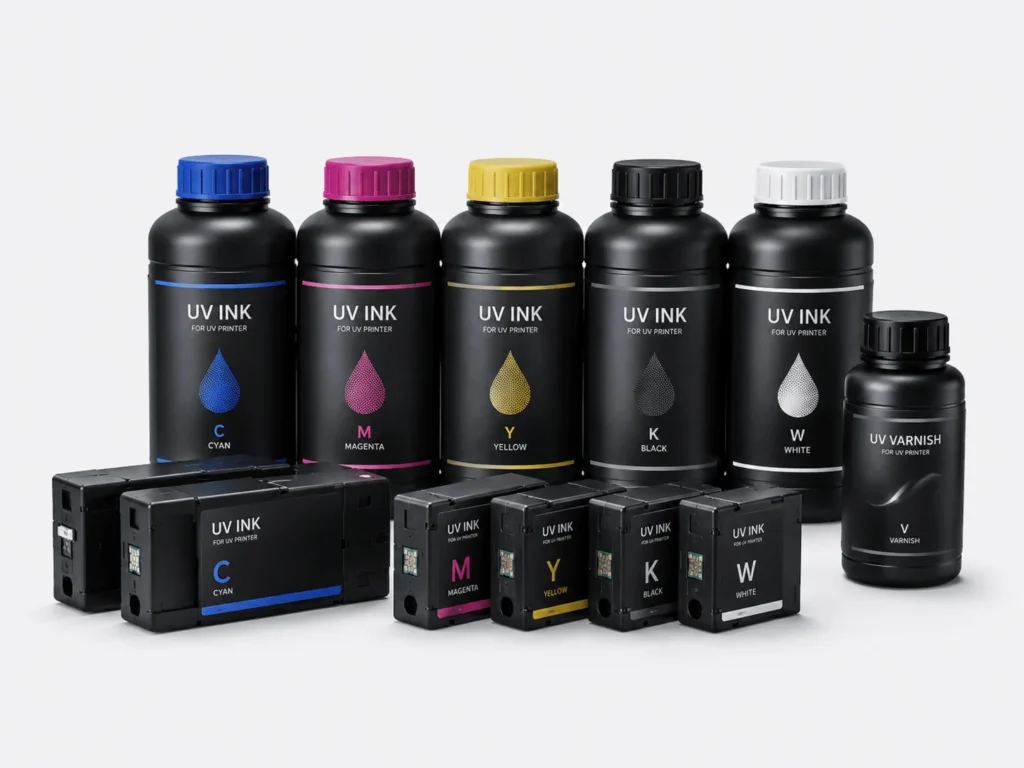
- Cylindrical printers use UV ink spraying technology to create graphics, followed by UV curing to quickly dry the ink and improve adhesion on the product surface
- Laser engraving machines use laser energy to change the material structure and create permanent engraved marks or textures
- Cylindrical printers focus on colorful graphics, photos, logos, and decorative designs, while laser engraving is mainly used for text, serial numbers, and simple patterns
If a business needs products with rich colors and complex visual designs, UV cylindrical printing is usually a better choice. If the main requirement is durable identification marks or engraving, laser engraving may be more suitable.
Printing Effects and Product Appearance Are Different
Product appearance plays an important role in attracting customers, making processing results a key consideration when selecting equipment. Cylindrical printers and laser engraving machines create different visual effects.
Cylindrical printers offer the following advantages:
- Support full-color printing, allowing gradient colors, high-resolution images, and complex designs to create more attractive products
- Can combine white ink and varnish functions to achieve embossed effects, 3D effects, and special surface finishes
- Apply graphics directly onto the product surface without changing the material structure, making them ideal for decorative products
Although laser engraving provides high precision, it usually creates color changes or engraved effects on the material surface and has limitations in color expression. Therefore, for products such as gifts, water bottles, and packaging that focus on design appearance, cylindrical printers can provide richer customization options.
Applicable Materials Are Different
Different materials require different processing methods. When choosing equipment, businesses need to consider whether their products are suitable for each technology. Both cylindrical printers and laser engraving machines have wide applications, but their strengths are different.
Key differences include:
- Cylindrical printers can be used on various materials such as glass, metal, plastic, ceramic, acrylic, and wood, supporting a wider range of customization needs
- Laser engraving machines are more suitable for materials such as wood, metal, leather, and certain plastics that can create engraving effects
- For transparent, smooth, or colorful decorative products, UV printing usually provides better adaptability and appearance results
For example, when processing glass cups, metal bottles, or cosmetic containers that require colorful graphics while maintaining the original material texture, cylindrical printers are often a better solution.
Production Efficiency and Application Scenarios Are Different
When selecting equipment, businesses need to consider not only processing effects but also production efficiency and business applications. Different machines are suitable for different production models.
Cylindrical printers are more suitable for:
- Personalized customization orders, as designs can be changed quickly to support small-batch and multi-style production
- Gift, packaging, and advertising industries that require fast production of different designs
- Brand product development, where unique graphics can increase product added value
Laser engraving machines are commonly used for:
- Industrial component marking, where long-lasting identification is required
- Metal product engraving for anti-counterfeiting, tracking, and information management
- Product marking applications requiring strong wear resistance
Therefore, businesses should select equipment based on order types and product positioning rather than simply comparing equipment prices.
How Should Businesses Choose Between a Cylindrical Printer and a Laser Engraving Machine?
In practical production, choosing the right equipment depends on product goals, processing requirements, and future business development plans. If a business mainly focuses on product appearance customization, cylindrical printers usually provide more application opportunities.
Important factors to consider include:
- Whether products require high-resolution color graphics. If photos, logos, or complex designs are needed, UV printing solutions are recommended
- Whether products require permanent identification. If the main purpose is numbering or engraving, laser engraving equipment may be more suitable
- Whether orders are diverse. Businesses with multiple product categories benefit from flexible digital printing equipment
- Future development direction. Choosing equipment that supports more product applications helps expand business opportunities
For companies entering the personalized product market, cylindrical printers can provide more creative possibilities and improve product competitiveness.
Although cylindrical printers and laser engraving machines can both be used for cylindrical product processing, they have significant differences in technology, printing effects, and application areas. Laser engraving focuses more on durable marking and material processing, while cylindrical printers are better suited for products requiring rich colors and personalized designs. As demand for high-quality customized products continues to grow, UV cylindrical printing technology is becoming an important solution for businesses looking to increase product value. SpringYprinter provides professional cylindrical printer solutions to help businesses achieve efficient and high-quality cylindrical product printing production.