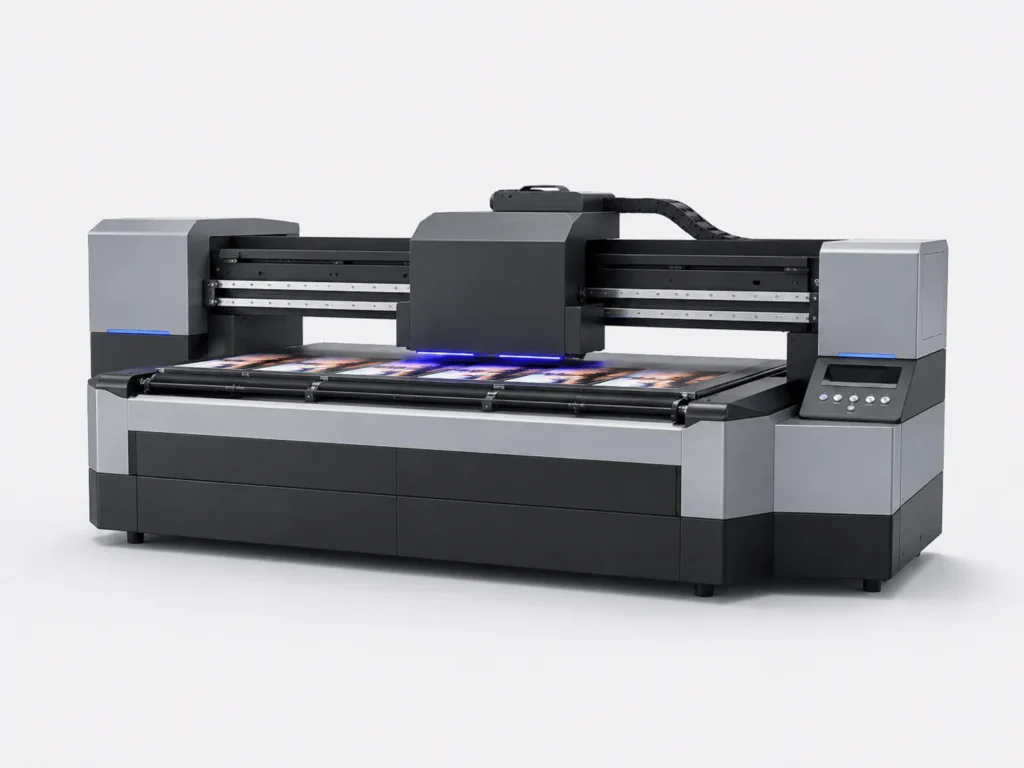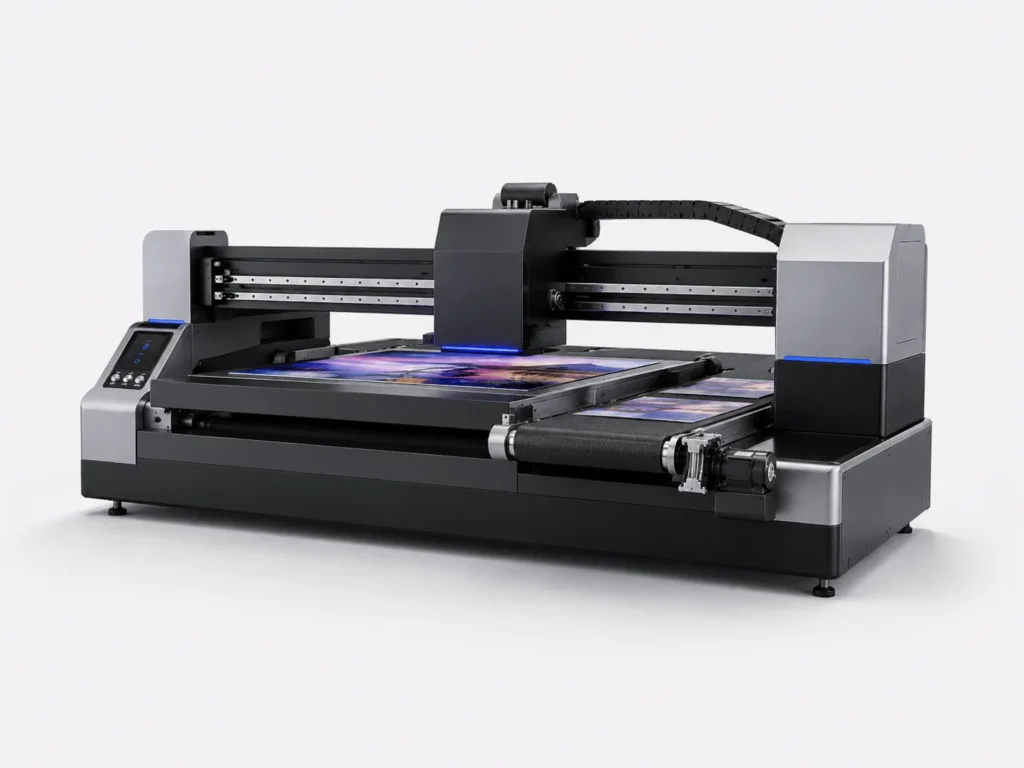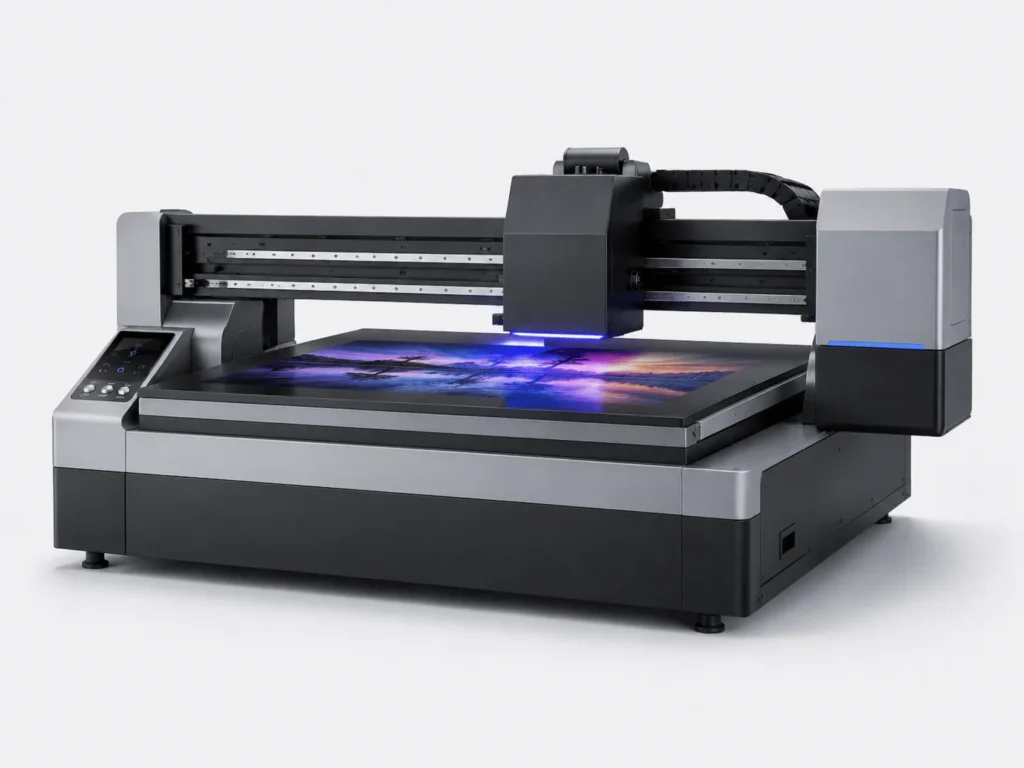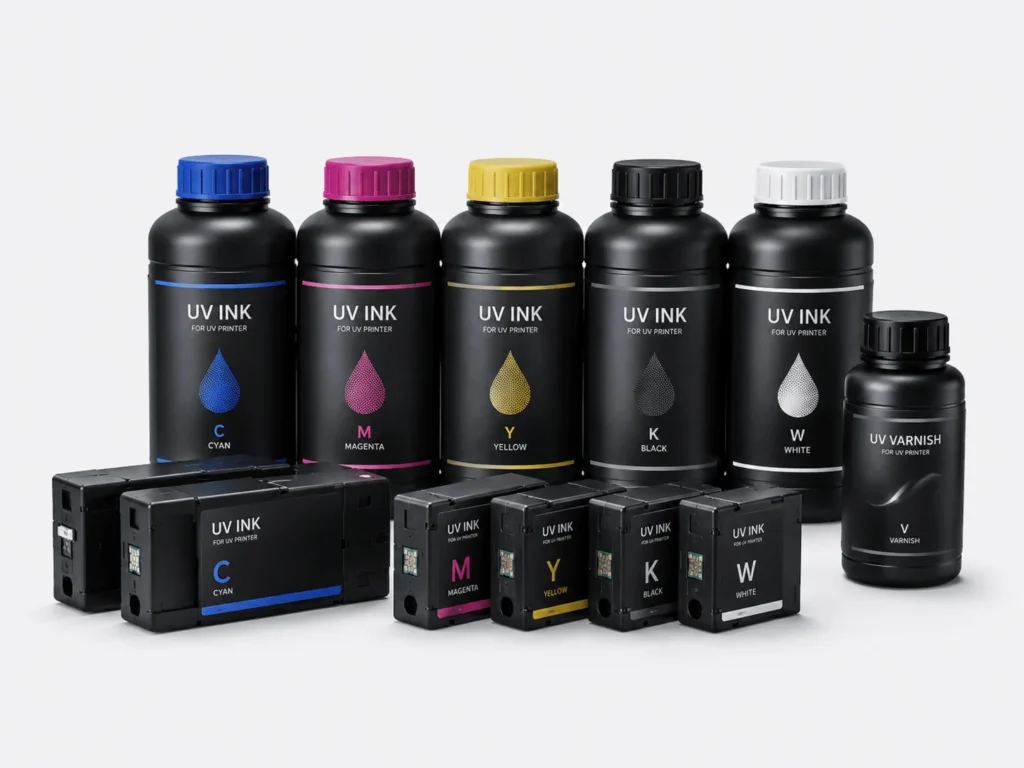
Industrial UV Single Pass printers operate continuously at high speeds, making the printhead one of the most critical components affecting print quality, production efficiency, and equipment stability. If the printhead experiences ink blockage, missing lines, ink splashing, or uneven ink output, image clarity may decrease and production interruptions may occur. Establishing a proper printhead cleaning process helps maintain stable printing performance, extend printhead service life, and reduce maintenance costs. Effective cleaning does not mean frequently removing the printhead for maintenance. Instead, it requires a suitable maintenance process based on equipment operating conditions, ink characteristics, and daily care requirements to keep Industrial UV Single Pass printers operating efficiently.
Why Printheads Need Regular Cleaning
Printheads contain thousands of microscopic nozzles that continuously spray ink during high-speed printing operations. When equipment runs for extended periods or remains unused for a long time, ink residue may accumulate around the nozzle area and affect ink output performance. Dust, paper particles, and other contaminants entering the printing area may also block nozzles, causing missing lines, uneven colors, or abnormal printing results.
UV ink used in industrial printing systems cures quickly. If residual ink remains on the printhead surface without proper cleaning, exposure to ultraviolet light may harden the ink and create difficult-to-remove deposits. Regular printhead inspection and cleaning help maintain smooth ink flow, improve printing stability, and prevent production delays caused by printhead problems.
Proper maintenance can also reduce unnecessary wear on printheads, lower replacement costs, and provide long-term support for stable equipment operation.
Important Practices for Daily Printhead Cleaning
Printheads are precision components, and incorrect cleaning methods may damage the nozzle structure or affect internal performance. During maintenance, businesses should establish suitable cleaning schedules based on equipment conditions and production requirements.
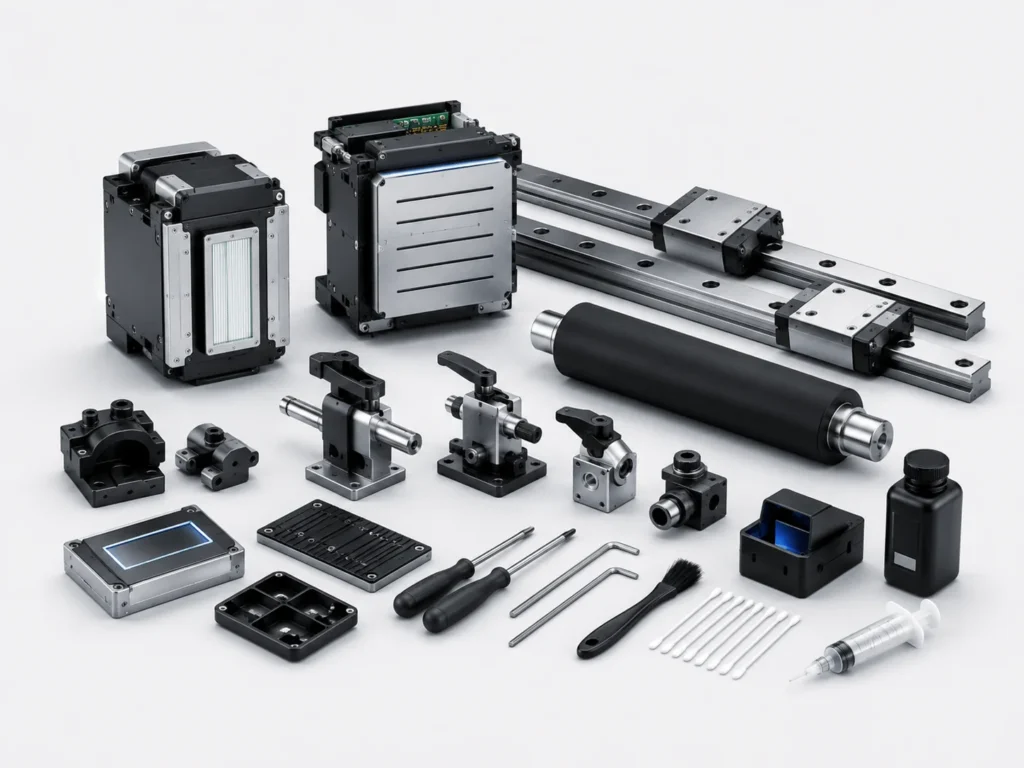
Before shutting down the printer, operators should follow the machine’s automatic protection procedures to prevent the printhead from being exposed to air for extended periods. When cleaning the printhead surface, use dedicated lint-free cleaning materials and gently remove ink residue. Avoid using hard tools that may scratch or damage the printhead surface.
During the cleaning process, the surrounding environment should remain clean to prevent dust from entering the printhead area again. After cleaning, perform a nozzle test to confirm that ink output has returned to normal before restarting production. Proper operation reduces the risk of accidental damage and improves maintenance effectiveness.
Correct Steps for Cleaning Single Pass Printer Printheads
Printhead cleaning should follow a standardized process, as each step affects future print quality and equipment reliability.
Recommended printhead cleaning procedures include:
- Check Printhead Condition:Before cleaning, print a nozzle check pattern to identify missing lines, blockages, or abnormal ink output. This helps determine whether further maintenance is required.
- Activate the Automatic Cleaning Function:Most Industrial UV Single Pass printers include automatic cleaning programs that perform basic flushing procedures through the machine system, reducing manual operation requirements.
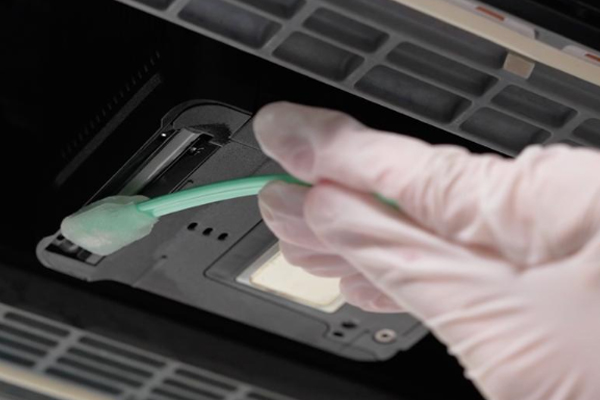
- Remove Ink Residue from the Printhead Surface:Use dedicated cleaning solution and lint-free materials to gently clean the bottom surface of the printhead, removing residual ink and small particles while keeping the nozzle area clean.
- Test Printing Performance After Cleaning:After maintenance is completed, print another nozzle test pattern to confirm that the printhead has returned to normal operation before starting official production tasks.
Following a standardized cleaning process improves maintenance quality and reduces equipment wear caused by improper cleaning methods.
Daily Habits That Help Extend Printhead Service Life
Printhead lifespan is affected not only by cleaning procedures but also by daily operating habits. Proper maintenance routines can reduce nozzle blockage risks and improve equipment utilization.
Recommended maintenance practices include:
- Operate the Printer Regularly:Long periods of inactivity may cause ink settling. Regular ink circulation helps maintain smooth ink flow through the system.
- Use Compatible UV Ink:Stable and high-quality ink reduces impurities and helps maintain consistent nozzle performance.
- Keep the Working Environment Clean:Controlling dust and debris in the printing area helps prevent contamination around the printhead.
- Use Proper Moisture Protection During Shutdown:Automatic capping and moisture protection functions help prevent nozzle drying when the printer is not operating.
- Maintain Cleaning Records:Recording cleaning schedules, equipment conditions, and maintenance details helps create more effective long-term maintenance plans.
Consistent maintenance habits reduce failure risks and help keep printheads operating reliably.
Scientific Maintenance Keeps Single Pass Printers Running Efficiently
High-quality printing performance from Industrial UV Single Pass printers depends not only on advanced printhead technology but also on proper equipment maintenance. Scientific printhead cleaning reduces common issues such as nozzle blockage, missing ink output, and uneven printing, helping maintain image quality and continuous production efficiency.
As industrial digital printing technology continues to develop, automatic printhead maintenance systems, intelligent inspection functions, ink circulation technology, and online monitoring solutions will further improve equipment reliability. By establishing effective maintenance procedures, scheduling appropriate cleaning cycles, and following correct operating methods, businesses can extend printhead lifespan, reduce maintenance expenses, improve machine stability, and ensure reliable performance for long-term continuous production.